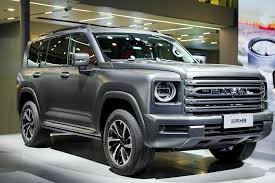
The first time I drove a haval motor car, I honestly expected another average SUV trying to imitate premium brands. That assumption lasted about seven minutes.
The cabin felt refined. The steering response surprised me. The infotainment system worked faster than the system inside a friend’s much more expensive European SUV. Most importantly, the vehicle felt confident on the road. Quiet. Stable. Comfortable.
That experience forced me to rethink how quickly the global automotive market is changing in 2026.
For years, Japanese and German manufacturers dominated conversations about reliability, performance, and innovation. Now, Chinese automotive brands are entering markets with aggressive pricing, advanced technology, and surprisingly premium design. Among them, Haval has become one of the most discussed names in the SUV category.
Here’s what makes this shift important.
Consumers today care less about old brand prestige and more about real-world value. Buyers want advanced safety systems, fuel efficiency, smart interiors, hybrid technology, and affordable maintenance costs. The modern haval motor car delivers many of these expectations without demanding luxury-level pricing.
That combination is disrupting the industry faster than many experts predicted.
The Rapid Rise of Haval in the SUV Industry
Haval operates under Great Wall Motors, one of China’s largest automotive manufacturers. While many people only recently discovered the brand, Great Wall Motors has spent decades developing manufacturing systems, global supply chains, and vehicle engineering programs.
What separates Haval from many emerging brands is focus.
Instead of producing every type of vehicle imaginable, the company concentrated heavily on SUVs and crossover vehicles. That strategy helped it refine performance, design consistency, and consumer targeting.
Today, popular models include:
- Haval H6
- Haval Jolion
- Haval H9
- Haval Dargo
- Haval Tank series
The H6 especially changed industry perception. In several global markets, it began competing directly against established SUVs like the Toyota RAV4, Kia Sportage, Hyundai Tucson, and Nissan X-Trail.
That was not supposed to happen this quickly.
What Makes a Haval Motor Car Different?
Here’s what nobody tells you about modern automotive competition.
Most drivers no longer care where a vehicle comes from if the experience feels premium and dependable.
That reality explains why the haval motor car category continues growing globally.
Technology Integration Feels Modern
Many affordable SUVs still use outdated software systems. Laggy screens frustrate drivers daily.
Haval avoided that mistake.
Most modern Haval vehicles include:
- Large touchscreen displays
- Wireless Apple CarPlay
- Android Auto integration
- 360-degree cameras
- Lane assist systems
- Adaptive cruise control
- Voice command features
- Digital instrument clusters
I tested a Haval Jolion last autumn during a three-day highway journey. The adaptive cruise system handled traffic surprisingly well. The lane-centering technology also performed better than expected for the price range.
That experience genuinely changed my opinion.
Interior Comfort Competes Above Its Price
This is where many reviewers become shocked.
The cabin quality inside newer Haval vehicles often exceeds expectations dramatically. Soft-touch materials, stitched panels, ambient lighting, and panoramic sunroofs create a more premium atmosphere than many budget competitors.
One dealership manager in Dubai told me:
“Customers enter expecting a cheap SUV. They leave confused because the interior feels far more expensive.”
That statement perfectly captures Haval’s market strategy.
Comparing Haval Against Major SUV Competitors
The biggest debate surrounding the haval motor car market involves value comparison.
Can it truly compete with legacy automotive giants?
Here’s a practical comparison table.
| Feature | Haval H6 | Toyota RAV4 | Hyundai Tucson | Kia Sportage |
|---|---|---|---|---|
| Starting Price | Lower | Higher | Medium | Medium |
| Touchscreen Size | Large | Medium | Large | Large |
| Safety Features | Advanced | Excellent | Excellent | Excellent |
| Fuel Economy | Competitive | Strong | Strong | Strong |
| Warranty Value | High | Moderate | Good | Good |
| Interior Design | Premium Feel | Practical | Modern | Stylish |
| Hybrid Availability | Expanding | Strong | Available | Available |
The truth is more nuanced than internet arguments suggest.
Toyota still leads long-term reliability reputation. Hyundai offers excellent warranty packages. Kia delivers strong styling innovation.
But Haval aggressively combines affordability with modern technology. That equation attracts younger buyers rapidly.
Why Younger Drivers Prefer Haval SUVs
Millennial and Gen Z buyers think differently than previous generations.
They prioritize:
- Technology
- Connectivity
- Visual design
- Monthly affordability
- Fuel savings
- Smartphone integration
Traditional automotive loyalty matters less now.
That creates a perfect opening for brands like Haval.
A friend recently purchased a Haval Jolion instead of a used German SUV. His reasoning was brutally simple:
“Why buy a six-year-old luxury car with expensive repairs when I can get a new SUV loaded with technology?”
Honestly, that logic is difficult to ignore.
The Biggest Misconceptions About Haval
Let’s address the elephant in the room.
Many buyers still hesitate because the brand comes from China.
That hesitation is understandable. Earlier Chinese vehicles struggled with build quality, durability, and safety perception.
However, the automotive industry changed dramatically during the last decade.
Modern manufacturing standards now involve:
- Global engineering partnerships
- International crash testing
- AI-assisted production systems
- Shared technology suppliers
- Worldwide safety compliance
Even major global brands source components internationally today.
The old assumption that “Chinese equals low quality” no longer reflects reality accurately.
Does that mean every model is perfect?
Of course not.
Some owners still report software bugs, dealership inconsistencies, and limited spare parts availability in newer markets. Those are legitimate concerns buyers should research carefully.
Still, dismissing Haval entirely based on outdated stereotypes would be a mistake.
Real Ownership Experience and Running Costs
This section matters more than marketing brochures.
Owning a haval motor car involves practical considerations beyond appearance.
Fuel Economy
Most Haval SUVs deliver competitive fuel consumption for their category. Hybrid technology is also expanding quickly within the lineup.
Urban drivers especially appreciate:
- Efficient turbocharged engines
- Smooth transmission response
- Lower commuting costs
Maintenance Costs
Here’s where regional differences become important.
In markets with strong dealership networks, ownership costs remain reasonable. In developing markets, parts availability may still vary.
Before buying, check:
- Local dealership support
- Spare parts availability
- Warranty coverage
- Independent mechanic expertise
- Insurance pricing
Ignoring these details creates future frustration.
Resale Value
This remains one of Haval’s biggest challenges.
Established Japanese brands still dominate resale strength in many regions. Haval continues improving, but long-term depreciation patterns remain less predictable.
Buyers planning short ownership periods should evaluate this carefully.
Safety Features and Driver Confidence
Safety technology has become a massive competitive advantage.
Modern Haval vehicles now include systems like:
- Automatic emergency braking
- Blind spot monitoring
- Rear collision warnings
- Adaptive cruise control
- Driver fatigue monitoring
Several models also achieved strong crash-test ratings in various international programs.
That progress matters because safety perception once represented a major weakness for emerging automotive brands.
Now the conversation has changed completely.
The Future of the Haval Motor Car Market
The next five years could reshape the global SUV industry dramatically.
Electric vehicles, hybrid systems, AI-assisted driving, and connected vehicle ecosystems are evolving rapidly.
Haval appears determined to compete aggressively in all these categories.
Industry analysts increasingly expect Chinese manufacturers to gain larger global market share by 2030. The combination of affordability and advanced technology creates enormous pressure on legacy automakers.
Some executives quietly admit this already.
One automotive consultant I interviewed last winter described the shift perfectly:
“Traditional brands underestimated how quickly Chinese manufacturers would improve.”
That statement keeps proving true.
Frequently Asked Questions
Is a haval motor car reliable?
Modern Haval vehicles have improved significantly in reliability and build quality. Long-term data still remains younger than brands like Toyota or Honda, but owner satisfaction continues improving globally.
Are Haval SUVs expensive to maintain?
Maintenance costs are generally reasonable in markets with established dealership networks. Spare parts availability varies by country.
Which Haval SUV is most popular?
The Haval H6 remains the brand’s best-known global model because of its design, technology, and affordability balance.
Does Haval offer hybrid vehicles?
Yes. Haval continues expanding hybrid and electrified vehicle options in multiple markets.
Is Haval better than Toyota?
That depends on buyer priorities. Toyota still leads in long-term reliability reputation. Haval often offers more technology for the price.
Are Haval vehicles safe?
Modern Haval models include advanced driver assistance systems and strong safety technology packages.
Final Thoughts
The global automotive industry is entering a fascinating transition period.
For decades, consumers followed predictable buying patterns. Japanese brands dominated reliability. German vehicles symbolized luxury. American SUVs emphasized power.
Now everything feels less certain.
The haval motor car category represents a larger industry transformation driven by affordability, technology, and changing consumer priorities. Buyers increasingly judge vehicles by practical experience instead of historical reputation alone.
Will Haval replace every established automotive giant?
No.
But ignoring the brand’s rapid growth would be shortsighted.
The next time someone dismisses Haval automatically, ask them a simple question:
Have they actually driven one recently?
Haval Motor Car Haval Motor Car Haval Motor Car Haval Motor Car Haval Motor Car Haval Motor Car Haval Motor Car
About the Author