How to Extend Your E-Bike Range: Battery, Riding, and Setup Tips for US Riders in 2026
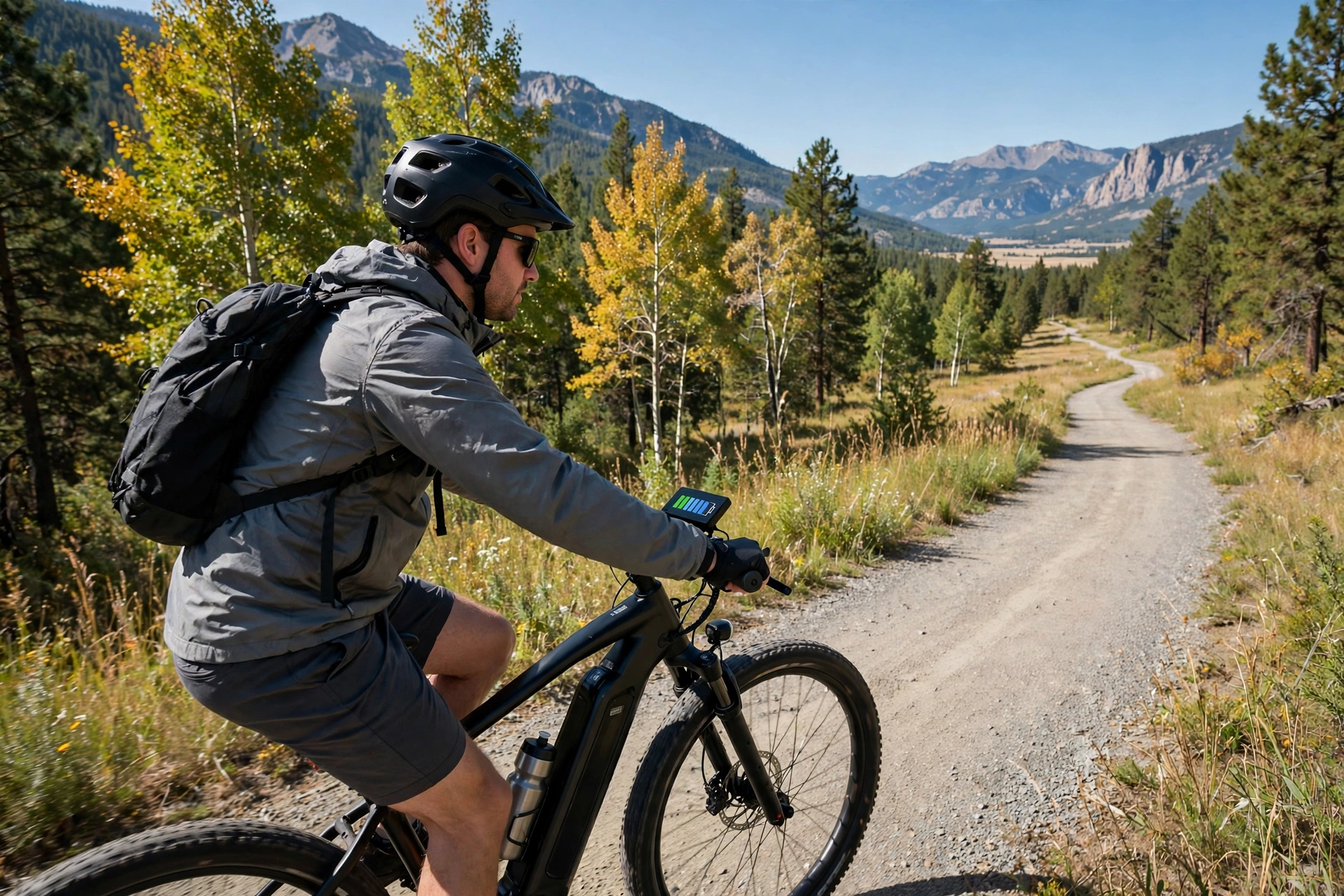
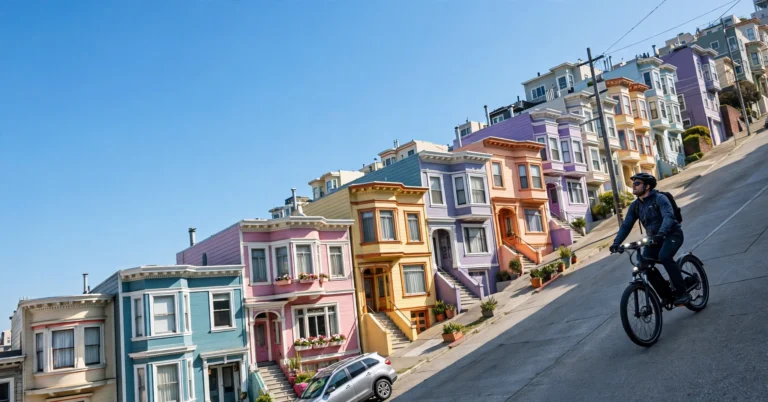
Nothing ends a ride faster than a battery gauge dropping to red miles from home. Most e-bikes sold in the US in 2026 promise 40 to 80 miles per charge, but real world range is often lower. Hills, wind, cold weather, heavy cargo, and high assist levels all eat into that number, sometimes by 30 percent or more. The good news is that range is not fixed. With a few smart habits, you can often add 10 to 30 miles to a single charge without buying a new battery or a new bike. This guide covers the battery care, riding technique, and setup changes that make the biggest difference for US riders, plus what to check before you spend money on upgrades.
How E-Bike Range Really Works
An e-bike range estimate is based on ideal conditions: a light rider, flat ground, mild weather, low assist, and steady pedaling. Real rides rarely match that picture. Your motor draws more power when it works harder, and it works hardest when you start from a stop, climb a hill, ride into a headwind, or cruise at top speed on throttle alone. Think of your battery like a fuel tank with a leak that grows with speed. Doubling your speed can more than double the energy needed to fight wind resistance. That is why a rider doing 15 mph on eco mode can go far further than the same rider doing 28 mph on turbo mode, even on the same bike and the same battery. Battery size matters too. A 500 watt hour battery holds less energy than a 750 watt hour battery, so it will always go less far under the same conditions. But how you use that energy matters just as much as how much you start with.
Battery Care That Protects Range
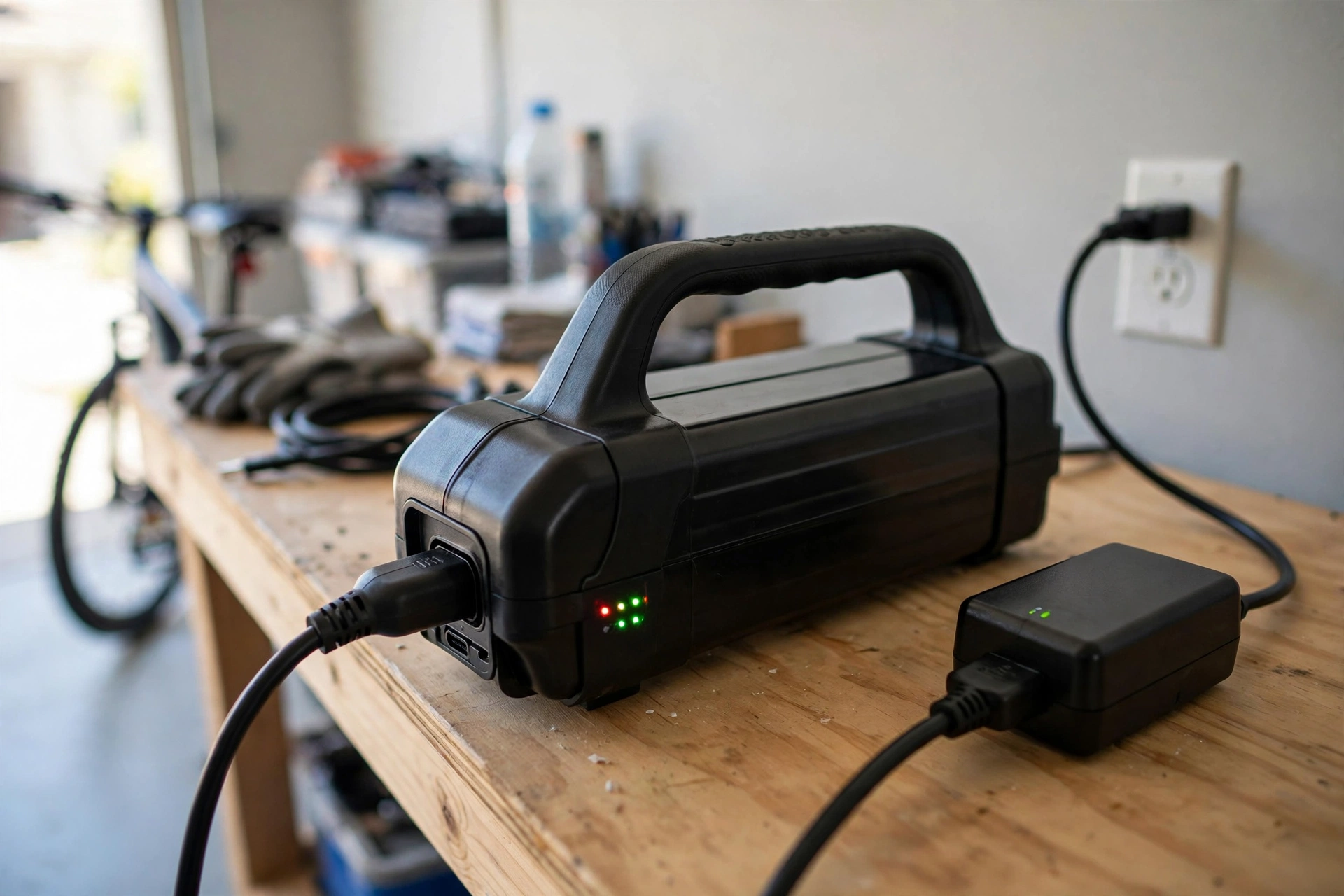
Battery health is the foundation of range. A battery that has lost capacity cannot deliver its original miles, no matter how carefully you ride. These habits slow that loss and keep your usable range high for years. First, avoid charging to 100 percent and leaving the bike sitting for days. For daily riding, charging to about 80 to 90 percent is kinder to the cells. Save a full charge for the days you truly need maximum range. Second, avoid running the battery completely flat on a regular basis. Deep discharges wear cells faster than partial ones. Third, store and charge the battery at room temperature when you can. Cold weather temporarily reduces range, and charging a freezing cold battery can damage it. In winter, bring the battery indoors, let it warm up, then charge it. In summer, do not leave it baking in a hot car or in direct sun. Fourth, use the charger that came with your bike or an approved replacement. Cheap chargers with the wrong voltage can harm the battery and void a warranty. If your battery no longer holds a reasonable charge after several years, read our guide on how long do e-bike batteries last to decide whether a replacement makes sense.
Ride Smarter: Assist Levels and Pedaling
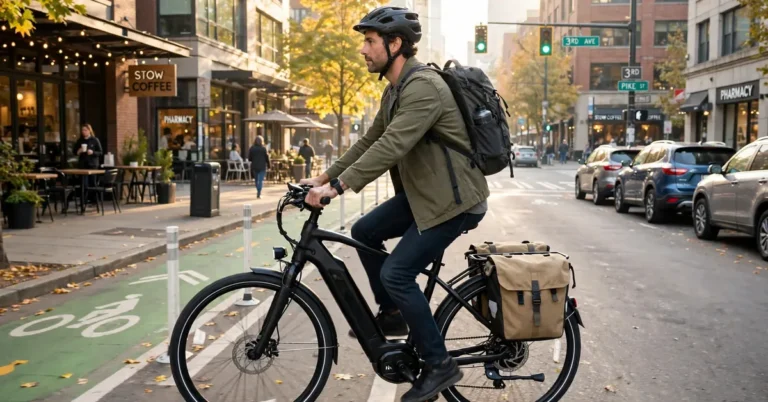
Your assist level is the single biggest range lever you control. Most e-bikes offer eco, normal, sport, and turbo modes, and the jump from eco to turbo can cut range nearly in half. Use eco or low assist on flat ground and save higher assist for hills, headwinds, and starts from traffic lights. Pedal more and throttle less. Pedal assist only adds power while you pedal, while a throttle draws full power even when you are not pedaling at all. On a long ride, throttle only riding can drain a battery in half the distance of pedal assist riding. If your bike has both, treat the throttle as a boost for starts and steep sections, not as your main way of moving. Shift gears like you would on a regular bike. Starting in a high gear forces the motor to work hard from a standstill. Start in a low gear, spin up smoothly, and shift up as you gain speed. Smooth starts save far more energy than most riders expect, especially on stop and go city routes. Keep a steady pace. Constant speeding up and slowing down wastes energy. When you can, ride at a comfortable cruising speed, look ahead for lights and stops, and coast gently instead of braking hard and accelerating again.
Setup Changes That Add Miles
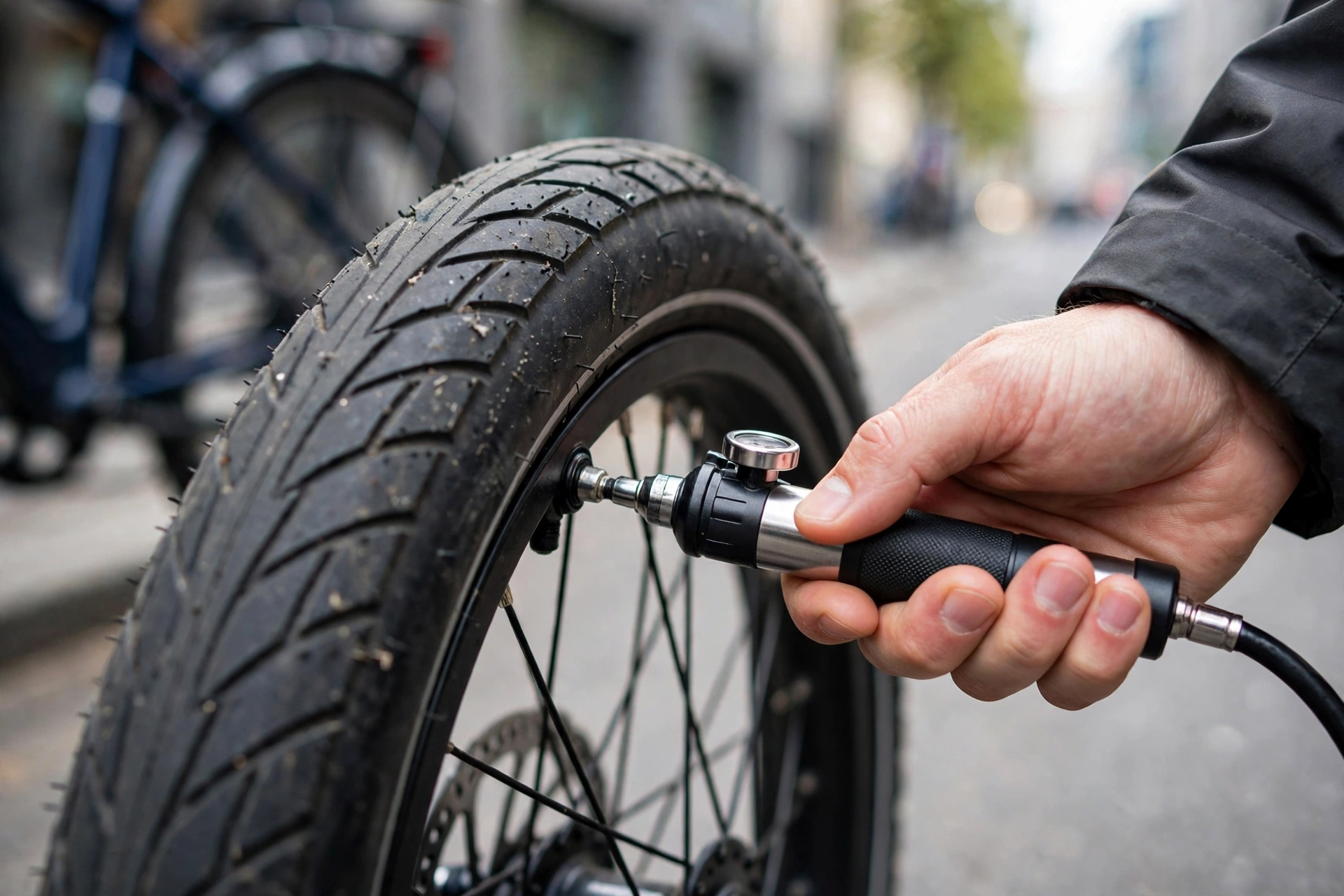
Small setup changes can add real range, and most cost little or nothing. Tire pressure is first on the list. Soft tires roll with more resistance, so the motor works harder for every mile. Check your tire pressure weekly and inflate to the pressure printed on the tire sidewall or in your manual. A few extra PSI, within the recommended range, can noticeably improve rolling efficiency. Do not overinflate past the maximum, because that hurts grip and comfort.
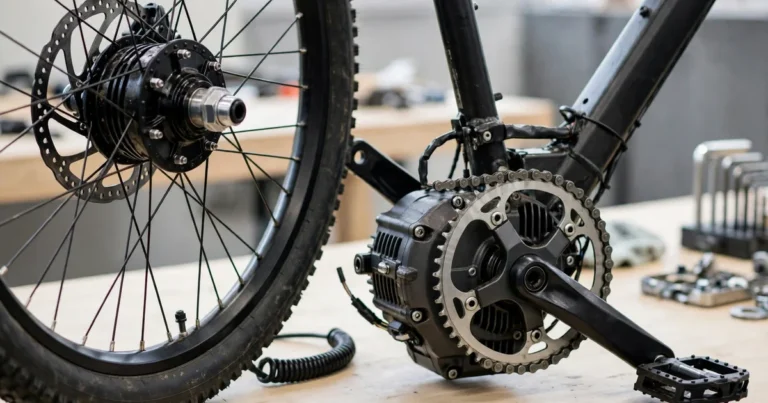
Next, reduce weight and drag. Heavy panniers, a loaded basket, and a bulky backpack all cost range, especially on hills. Carry only what you need, and remove accessories you do not use. An upright riding position catches more wind, so a slightly more forward position on long open stretches can help, as long as it stays comfortable. Motor type also plays a role. Hub motors and mid-drive motors use energy differently, and the right choice depends on your terrain. Our comparison of hub motor vs mid-drive motor explains which setup suits flat commuting and which suits hilly routes, and that choice affects how far each charge takes you. Finally, keep your chain clean and lightly lubricated and your brakes adjusted. A dry, dirty chain wastes pedaling effort, and brakes that rub slightly act like a constant drag on the wheel. Both are quick fixes that protect range.
Range by Riding Style
| Riding style | Typical range on a 500Wh battery | What costs the most energy |
|---|---|---|
| Eco mode steady pedaling flat ground | 50 to 70 miles | Almost nothing, this is the efficient baseline |
| Normal mode mixed city riding | 35 to 50 miles | Frequent stops and starts |
| Sport or turbo mode hilly route | 25 to 40 miles | Climbing and high assist |
| Throttle only high speed | 20 to 30 miles | Constant full power and wind resistance |
| Cold weather same route as eco row | 30 to 50 miles | Cold battery plus thicker clothing and drag |
These are estimates for a typical US commuter e-bike. Your numbers will vary with rider weight, cargo, tires, and terrain, but the pattern holds: assist level and speed matter more than any single accessory.
Winter and Summer Range Tips
Cold weather is the toughest season for e-bike range. A battery kept in a cold garage can lose 20 to 30 percent of its usable range on a winter morning. Keep the battery indoors overnight, dress warmly so you can keep pedaling, and expect shorter range on the coldest days. Plan your route with a margin, so a cold day never leaves you stranded. Summer brings the opposite problem: heat. Avoid charging right after a hot ride, when the battery is already warm. Let it cool for 30 minutes, then charge in the shade or indoors. Long rides in extreme heat are fine for most modern batteries, but repeated heat exposure over years shortens battery life. Rain does not directly hurt range much, but wet roads add rolling resistance and wet brakes need more care. Fenders keep you and your drivetrain cleaner, which helps efficiency over time.
When an Upgrade Is Worth It
If you have fixed your habits and setup and still run short, an upgrade may be the honest answer. A second battery, where your bike supports one, doubles range on long rides and is popular with US commuters and touring riders. A larger replacement battery from your bike maker can also help, but check compatibility carefully, because battery mounts, connectors, and voltages differ by brand. Before you buy, check whether a cheaper fix solves the problem. Worn tires, a tired chain, or a battery that is simply old can each mimic a range problem. A local e-bike shop can test your battery capacity for a small fee, and that test tells you whether new cells or a new battery will actually help. Be cautious with third party batteries that promise huge capacity at a low price. Poor quality cells can be unsafe, and a battery that does not match your bike system can damage the motor controller. Stick with your maker or a reputable US supplier with a real warranty.
A Simple Range Checklist for Every Ride
Before a long ride, run through this quick list. Charge to the level you need, not automatically to 100 percent. Check tire pressure. Pick your route with hills and wind in mind. Set assist to eco for the flat sections. Carry a charger if your destination has an outlet, because even a one hour top up can add 10 to 20 miles. And always keep a reserve: plan to arrive with at least 20 percent battery left, so a detour or a headwind on the way home never becomes a problem. Range anxiety fades once you know your bike. Ride the same route a few times, note how much battery each trip uses in different modes, and you will quickly learn exactly how far your e-bike goes in real conditions. From there, the tips in this guide turn that knowledge into extra miles on every charge.
Closing
Extending your e-bike range does not require special equipment or expert skills. Charge smart, protect your battery from cold and heat, use low assist on flat ground, pedal smoothly, keep your tires pumped, and keep your drivetrain clean. Together, those habits routinely add 10 to 30 miles per charge, and they also make your battery last longer. Start with the free fixes this week: tire pressure, eco mode, and smoother starts. Then track one or two rides and see the difference for yourself. Your next long ride may end with battery to spare.
Longer range also means cheaper running costs, so see how much does it cost to charge an e-bike.
FAQ
How can I extend my e-bike range the fastest?
Drop to eco or low assist on flat ground, pedal instead of using the throttle, and check your tire pressure. Those three changes alone often add 10 miles or more per charge.
Does riding faster reduce e-bike range a lot?
Yes. Wind resistance rises sharply with speed, so cruising at 28 mph uses far more energy than cruising at 15 mph. Slowing down a little is one of the most effective range tricks.
Should I charge my e-bike battery to 100 percent every time?
Not for daily use. Charging to about 80 to 90 percent is gentler on the cells. Save a full charge for long rides when you need maximum range.
Why does my e-bike range drop in winter?
Cold reduces usable battery capacity temporarily, and winter clothing, wind, and heavier riding conditions add drag. Keeping the battery indoors overnight helps a lot.
Is a bigger battery the best way to get more range?
It helps, but only after you fix habits and setup. A larger battery on a bike with soft tires, high assist, and throttle only riding still wastes energy. Fix the free things first, then upgrade if you still need more.