How Much Does It Cost to Repair an E-Bike in 2026? Common Repairs, Prices, and DIY vs Shop for US Riders
An e-bike is a wonderful way to get around, until something breaks. A flat tire on the way to work, brakes that suddenly feel soft, or a motor that cuts out halfway up a hill can turn a great ride into a frustrating morning. The first question most riders ask is simple: how much is this going to cost me?
In the United States in 2026, a typical e-bike repair costs between $50 and $300 at a bike shop. Simple jobs like a flat tire fix or a brake adjustment sit at the low end. Bigger jobs like a battery or motor replacement can run $400 to $1,000 or more. The final bill depends on the part that failed, the brand of your bike, and whether you fix it yourself or pay a shop.
This guide breaks down the most common e-bike repairs, what each one costs in the US in 2026, when it makes sense to do the work yourself, and how to keep repair bills low over the life of your bike.
How Much Does It Cost to Repair an E-Bike in 2026?
Most e-bike repairs fall into three price bands. Small maintenance jobs cost $25 to $75. Mid-level repairs such as new brake pads, a chain replacement, or a tire change cost $75 to $200. Major repairs involving the battery, motor, or controller cost $250 to $1,000 or more, and in some cases the repair can cost more than the bike is worth.
Shop labor is the biggest variable. Most US bike shops charge $60 to $100 per hour for labor in 2026, and e-bike work often takes longer than regular bike work because the mechanic has to work around wiring, sensors, and the battery. A job that takes 30 minutes on a regular bike can take an hour on an e-bike. Always ask for a written estimate before the shop starts work, and ask whether the estimate includes parts, labor, and tax.
| Common e-bike repair | Typical shop price in 2026 (parts + labor) | DIY parts cost |
|---|---|---|
| Flat tire repair or tube replacement | $25 to $50 | $10 to $20 |
| Brake pad replacement | $40 to $80 | $15 to $30 |
| New tire | $60 to $120 | $30 to $70 |
| Chain replacement | $50 to $100 | $20 to $40 |
| Brake bleed (hydraulic brakes) | $40 to $70 per brake | $25 to $40 for a kit |
| Gear and derailleur adjustment | $30 to $60 | $0 with basic tools |
| Spoke replacement and wheel truing | $40 to $90 | $15 to $30 |
| Display or controller replacement | $150 to $400 | $80 to $250 |
| Motor repair or replacement | $300 to $800 | $200 to $600 |
| Battery replacement | $400 to $1,000+ | $300 to $900 |
These are national averages for the US. Prices run higher in big cities like New York, San Francisco, and Seattle, and lower in smaller towns. Direct-to-consumer brands can also be harder to service, because some local shops refuse to work on bikes they did not sell, or they charge more because parts are harder to get.
Flat Tires and Wheel Repairs
A flat tire is the most common e-bike repair of all, and also the cheapest. A shop will usually charge $25 to $50 to replace a tube, including the tube and labor. If the tire itself is worn or cut, a new tire adds $30 to $70 for the part.
E-bike tires wear faster than regular bike tires because the bike is heavier and the motor adds torque. A rear tire on a commuter e-bike often lasts 1,500 to 3,000 miles, while a front tire can last twice as long. Check your tread every month. If you can see the casing threads through the rubber, or the tire has cracks along the sidewall, it is time for a new one.
Spokes are another common wheel problem. E-bike wheels carry more weight and more torque, so spokes loosen and break more often, especially on the rear wheel with a hub motor. One broken spoke costs $40 to $90 to fix at a shop, including truing the wheel so it spins straight again. Riding with a broken spoke puts extra stress on the rest of the wheel, so get it fixed quickly.
You can fix a flat yourself with a basic repair kit, a pump, and a spare tube. It is one of the best skills to learn as an e-bike owner, because it saves you a shop visit and a long walk home. Keep a spare tube, tire levers, and a small pump in your bag on every ride.
Brake Repairs and Replacement
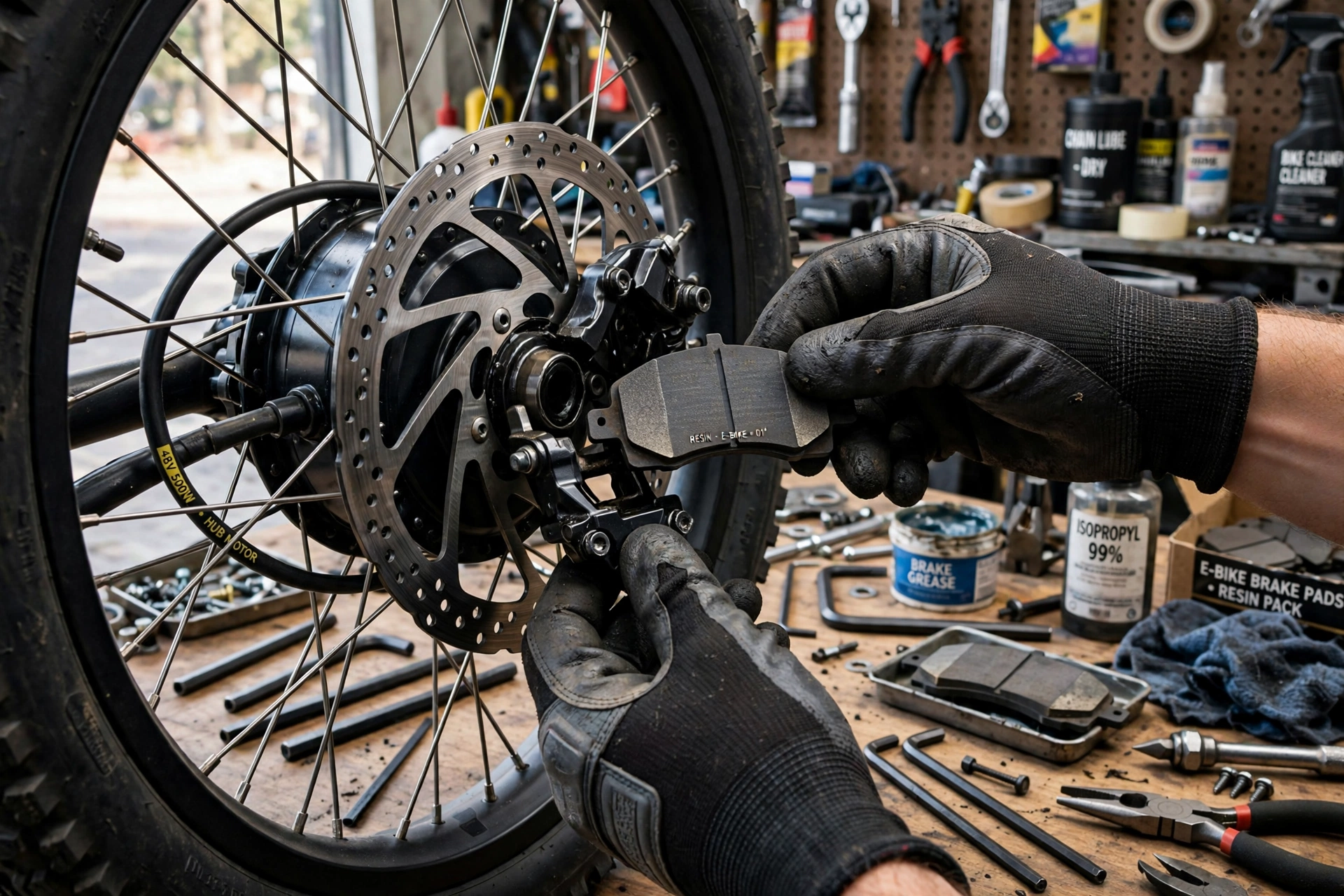
Brakes are the most important safety system on your e-bike, and they wear out faster than on a regular bike because of the extra weight and speed. Most riders need new brake pads every 500 to 1,500 miles, depending on how much they ride in hills and stop-and-go traffic.
A brake pad replacement costs $40 to $80 at a shop for one wheel, or $70 to $140 for both wheels. The pads themselves cost $15 to $30 a pair, so this is a job many riders learn to do at home. If your brakes squeal, feel soft, or take longer to stop the bike, check the pads first. Thin pads with less than 1 millimeter of material left need replacing.
Hydraulic disc brakes need a brake bleed every year or two, which costs $40 to $70 per brake at a shop. A bleed removes air bubbles from the brake fluid and restores a firm lever feel. If the lever pulls all the way to the handlebar, the brakes almost certainly need a bleed, or the pads are worn out.
A full brake replacement, meaning new calipers, rotors, and levers, costs $150 to $400 per wheel. That is usually only needed after a crash or after many years of hard use. Never ride with brakes you do not trust. If you are unsure, walk the bike to a shop.
Chain, Gears, and Drivetrain Repairs
The chain and gears take a beating on an e-bike. The motor adds power through the same chain you pedal with, so chains stretch and wear out faster than on a regular bike. Most e-bike chains last 1,000 to 2,000 miles. A worn chain that is left too long will wear out the cassette and chainring as well, turning a $50 job into a $200 job.
A chain replacement costs $50 to $100 at a shop, including the chain and labor. A new cassette costs $40 to $120 for the part, and a chainring costs $30 to $80. If your gears skip under power, shift slowly, or make a grinding noise, the drivetrain probably needs attention.
Regular cleaning and lubrication make a huge difference. Clean and lube the chain every 100 to 200 miles, or after any ride in rain or mud. A $10 bottle of chain lube and ten minutes of your time can double the life of your chain. This is one of the easiest ways to keep repair costs down, and it is covered in our guide on how to maintain an e-bike.
Gear adjustments are cheap, usually $30 to $60 at a shop, and many riders learn to do them at home with a screwdriver. If the bike will not shift into the easiest gear, or the chain jumps between gears, a simple cable adjustment often fixes it.
Battery Problems and Replacement Cost
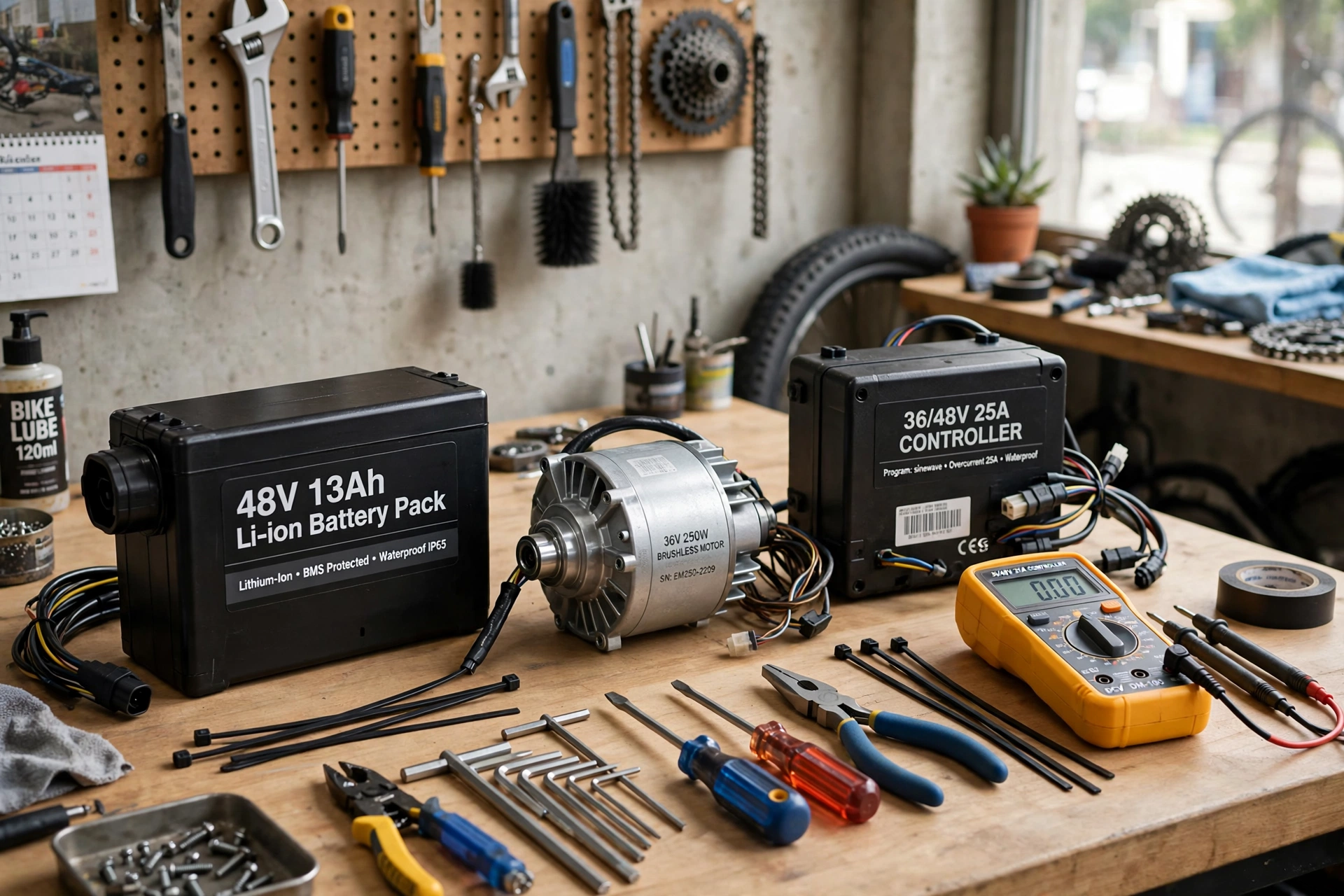
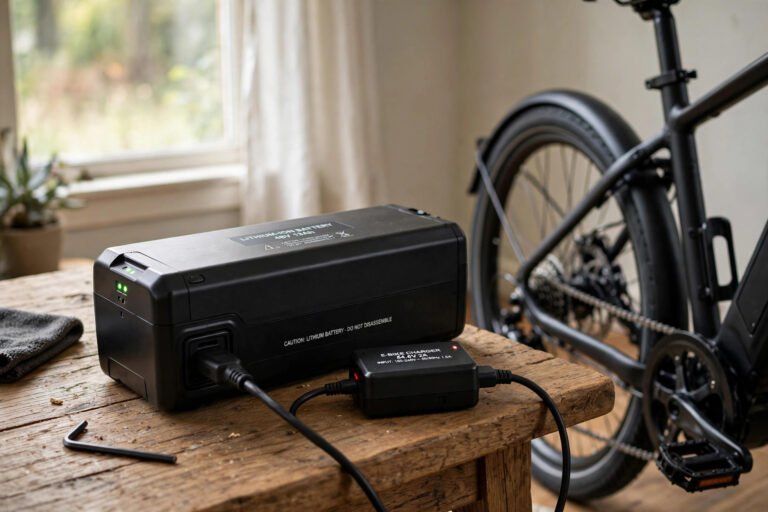
The battery is the most expensive part of an e-bike, and the repair riders fear most. A new battery costs $400 to $1,000 or more in 2026, depending on capacity and brand. That sounds steep, but a good battery lasts 3 to 5 years or 500 to 1,000 full charge cycles, so the cost spreads out over a long time.
Not every battery problem needs a full replacement. If the battery will not charge, the problem is often the charger, a loose connection, or a blown fuse, and those fixes cost $30 to $100. If the battery charges but dies quickly, the cells may be worn out. A shop can test the battery and tell you whether it is worth repairing or replacing.
Battery repair by a specialist can cost $150 to $400, but it is not always safe or practical. Rebuilding a lithium battery requires the right cells, the right tools, and real expertise. A bad rebuild can be a fire risk. For most riders, a new battery from the bike maker or a reputable supplier is the safer choice. You can read the full breakdown of prices and signs in our guide on how much does it cost to replace an e-bike battery.
To make your battery last longer, store it indoors, avoid leaving it fully charged or fully empty for weeks, and keep it out of extreme heat and cold. A little care can add a year or more to its life.
Motor and Electrical Repairs
Motor problems are less common than tire or brake problems, but they cost more to fix. A hub motor replacement costs $300 to $600 for the part plus labor, while a mid-drive motor replacement costs $500 to $800 or more. Many motor problems turn out to be something simpler, like a loose wire, a damaged sensor, or a faulty display.
If the motor cuts out, check the simple things first. Make sure the battery is seated properly and the connectors are clean and tight. Check that the brake levers are not stuck, because most e-bikes cut motor power when the brakes are pulled. A magnet or sensor that has moved out of place can also stop the motor from working, and that is often a free fix.
The controller, which is the small computer that manages power between the battery and the motor, costs $150 to $400 to replace. The display costs $80 to $250. Water damage is the most common cause of controller and display failure, so keep the bike out of heavy rain when you can, and dry the display and connectors after a wet ride.
Electrical diagnosis takes time, and shops charge for it. Expect a diagnostic fee of $50 to $100, which many shops apply to the repair bill if you go ahead with the work. Ask about this before you leave the bike.
DIY vs Shop: When to Fix It Yourself
Many e-bike repairs are the same as regular bike repairs. Flat tires, brake pads, chains, and gear adjustments are all jobs a careful owner can learn with basic tools and a video tutorial. Doing these yourself can save $30 to $80 per job, and over a year that adds up to hundreds of dollars.
Leave the electrical work to a professional unless you really know what you are doing. Battery, motor, and controller repairs involve high voltage and lithium cells, and a mistake can damage the bike or start a fire. The same goes for anything involving the frame, the fork, or the wheels if you are not confident. A wheel that is not built right can fail while you are riding.
A good rule is simple. If the job needs only hand tools and the part is mechanical, try it yourself. If the job needs a diagnostic computer, involves the battery or wiring, or affects your safety at speed, take it to a shop.
Buy a basic tool kit if you plan to do your own maintenance. A multi-tool, tire levers, a pump, a chain tool, and a set of hex keys will cover most simple jobs and cost less than one shop visit.
How to Keep E-Bike Repair Costs Down
The cheapest repair is the one you never need. A regular maintenance routine is the best money saver in e-bike ownership. Clean the bike, lube the chain, check tire pressure weekly, and inspect the brakes every month. Small problems caught early are cheap. Small problems ignored become expensive.
Keep your tires at the pressure printed on the sidewall. Underinflated tires wear out faster and puncture more easily. Check the pressure at least once a week, because e-bike tires lose air faster than car tires.
Ride gently in the first minutes of a ride, especially in cold weather. The battery and motor work better once they warm up a little. Avoid full-throttle starts from a standstill, which put the most stress on the chain, spokes, and motor.
Choose your shop before you need one. Find a local shop that services your brand, and ask about their labor rate and turnaround time. Some shops offer a yearly service plan for $150 to $300 that covers adjustments, brake bleeds, and inspections. For a daily commuter, that plan can pay for itself.
Finally, check your warranty before paying for any repair. Most e-bikes come with a one to two year warranty on the frame, motor, battery, and electronics. A repair that looks expensive may be covered, and a shop that is an authorized dealer can handle the warranty claim for you. Keep your receipt and register the bike with the maker if they ask you to.
How much does a typical e-bike repair cost in the US in 2026?
Most e-bike repairs cost $50 to $300 at a bike shop. Simple jobs like a flat tire or brake pads cost $25 to $80. Battery and motor replacements cost $400 to $1,000 or more.
Is it cheaper to repair an e-bike yourself or take it to a shop?
Simple mechanical jobs like tires, brake pads, and chains are much cheaper to do yourself, often saving $30 to $80 per job. Electrical repairs involving the battery, motor, or controller are best left to a shop for safety.
How long do e-bike parts last before they need replacing?
Brake pads last 500 to 1,500 miles, chains last 1,000 to 2,000 miles, and tires last 1,500 to 3,000 miles. Batteries last 3 to 5 years or 500 to 1,000 charge cycles with normal use.
Why are e-bike repairs more expensive than regular bike repairs?
E-bikes are heavier, faster, and carry a motor, battery, and electronics. Parts wear out faster, the work takes longer, and shops charge $60 to $100 per hour for labor that often includes electrical diagnosis.
When is an e-bike not worth repairing?
If the repair costs more than half the value of the bike, or if the battery and motor both need replacing on an older budget bike, it is often better to put the money toward a new e-bike. Check the warranty first, because the repair may be covered.
E-bike repairs do not have to break the bank. Most of the jobs you will face cost less than $100, and the expensive ones, the battery and the motor, only come up every few years. Learn the simple jobs, keep up with basic maintenance, and build a relationship with a good local shop for the rest. Your e-bike will reward you with years of cheap, fun, and reliable riding.
If you are thinking about buying your next bike, our guide on how to choose your first e-bike explains how to pick a motor, battery, and class that will keep repair bills low.
A flat tire is one of the cheapest repairs to do yourself, and our guide to how to fix a flat tire on an e-bike shows you how to change a tube at home for a few dollars.