Car Battery Installation Guide for Smart Drivers
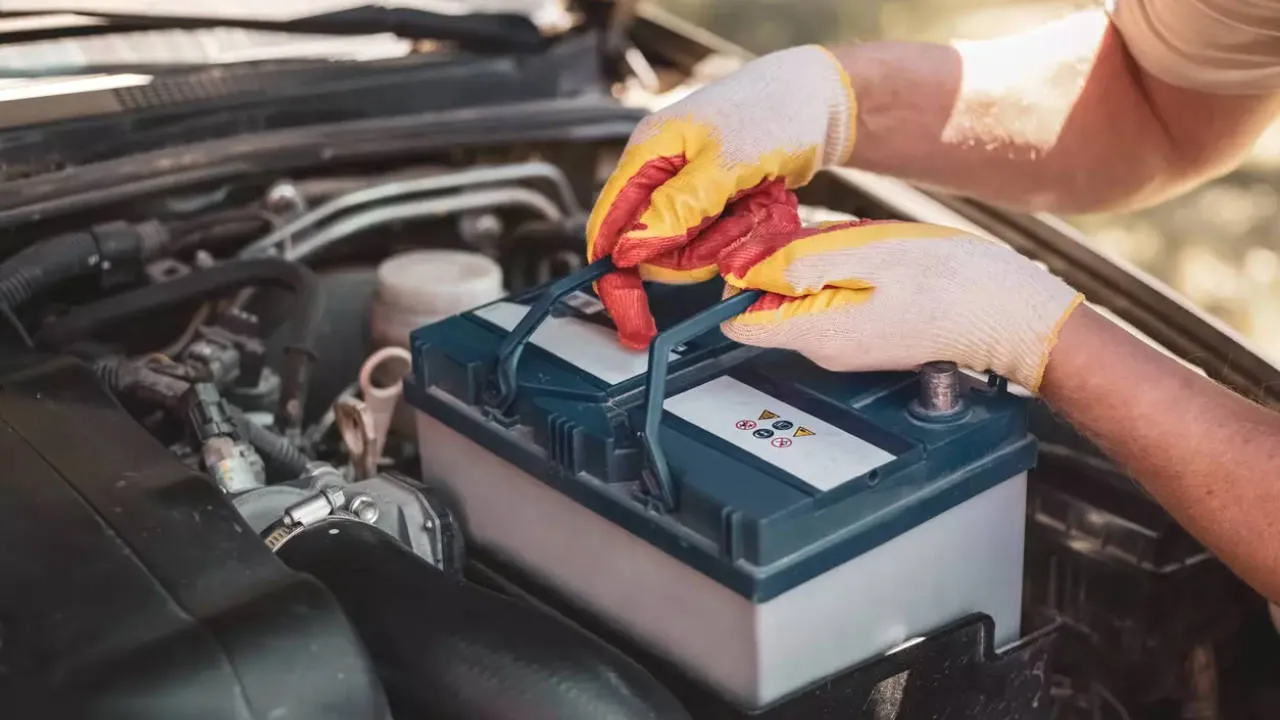
Car Battery Installation| There’s a strange kind of panic that hits when your car refuses to start in a crowded parking lot. It happened to me last winter outside a grocery store in Chicago. The temperature dropped below 20°F, I turned the key, and all I heard was a weak clicking sound. No warning. No dramatic dashboard light. Just silence and frustration.
That moment taught me something most drivers learn too late: your battery is the hidden heartbeat of your vehicle.
Here’s what many people don’t realize. A failing battery doesn’t just leave you stranded. It affects fuel efficiency, stresses your alternator, damages electronics, and quietly drains money through preventable repairs. AAA reported that battery-related roadside calls remain one of the top reasons drivers request emergency assistance every year.
The good news? Car battery installation is not as complicated as many mechanics make it sound.
I’ve replaced batteries in freezing driveways, during road trips, and once in a gas station parking lot using a flashlight held between my teeth. Over time, I learned which mistakes cost money, which battery brands actually last, and why some installations fail within months.
This guide covers everything smart drivers should know about car battery installation. You’ll learn how to choose the right battery, avoid expensive mistakes, install it safely, and extend battery life beyond industry averages. I’ll also share the failures I made personally because those lessons matter more than polished textbook advice.
Why Car Batteries Fail Faster Than Most Drivers Expect
Most car batteries last between three and five years. That’s the official line from manufacturers like Interstate Batteries, DieHard, and Optima. Real-world driving tells a different story.
Short trips destroy batteries faster than long drives. Modern vehicles constantly pull power from electronics, GPS systems, sensors, cameras, and infotainment screens. If you mostly drive ten minutes to work and back, your battery rarely gets enough time to recharge fully.
Heat is another silent killer. People think cold weather ruins batteries, but extreme heat actually causes more long-term damage. In states like Arizona, Texas, and Nevada, batteries often fail in under three years because high temperatures evaporate internal fluids faster.
I learned this the expensive way in 2022 after installing a low-cost battery from a discount auto shop. It saved me $60 upfront. It failed fourteen months later during a summer heatwave.
Cheap batteries usually cost more eventually.
Here’s what smart drivers watch for:
- Slow engine cranking
- Flickering dashboard lights
- Electrical glitches
- Corrosion buildup
- Clicking sounds during startup
- Battery warning indicators
One thing nobody tells you? Batteries often fail gradually, not instantly. Your car gives warning signs weeks before complete failure.
Ignoring them is where trouble starts.
Choosing the Right Battery Matters More Than Price
Walk into AutoZone, Advance Auto Parts, Walmart, or Costco and you’ll see dozens of battery options. Most drivers choose based on price alone. That’s a mistake.
Battery compatibility depends on several factors:
Group Size
Every vehicle requires a specific battery size called a “group size.” Installing the wrong one can create vibration damage or loose terminal connections.
Check your owner’s manual or use battery finder tools from brands like:
- Interstate Batteries
- Bosch
- DieHard
- EverStart
- ACDelco
Cold Cranking Amps
Cold Cranking Amps, often called CCA, measure how well a battery performs in cold temperatures.
If you live in colder climates like Minnesota, Michigan, or Canada, higher CCA ratings matter. Drivers in warmer regions can usually prioritize reserve capacity instead.
Last January, a friend installed a low-CCA battery in Denver to save money. His SUV struggled every morning for weeks until the battery failed completely.
The lesson? Climate matters.
AGM vs Traditional Batteries
Absorbent Glass Mat batteries, known as AGM batteries, cost more but perform better in vehicles with:
- Start-stop systems
- Heavy electronics
- Luxury features
- High-performance engines
Brands like Optima YellowTop and Odyssey Extreme consistently outperform standard flooded batteries in demanding conditions.
That said, not every car needs AGM technology. Installing premium batteries in older economy vehicles sometimes creates unnecessary expense without meaningful benefit.
Step-by-Step Car Battery Installation Process
Here’s the practical process I personally follow now after years of trial and error.
Step 1: Gather the Right Tools
You’ll need:
- Safety gloves
- Safety glasses
- Socket wrench
- Battery terminal cleaner
- Wire brush
- Anti-corrosion spray
Total tool cost usually stays under $40 if you buy everything upfront.
Step 2: Turn Off the Vehicle Completely
This sounds obvious. Yet many installation mistakes happen because electronics remain active.
Remove the key completely. Turn off lights. Disconnect accessories.
Modern vehicles contain sensitive electronic systems that dislike sudden voltage interruptions.
Step 3: Disconnect the Negative Terminal First
Always remove the black negative terminal before the red positive terminal.
Why?
Because disconnecting positive first increases the risk of electrical shorts if metal tools touch grounded surfaces.
I once accidentally sparked a wrench against a frame rail during an installation. Thankfully, no serious damage happened. It still scared the hell out of me.
Step 4: Remove the Old Battery Carefully
Car batteries are heavier than people expect. Most weigh between 35 and 50 pounds.
Lift carefully.
Check for corrosion, leaking fluid, or cracked casing. If you notice acid leakage, wear gloves immediately and avoid direct contact.
Step 5: Clean the Battery Tray and Terminals
This step gets skipped constantly.
Bad idea.
Corrosion affects charging performance and weakens terminal connections. Use a wire brush and terminal cleaner thoroughly before installing the new battery.
It takes five extra minutes and can add months of reliability.
Step 6: Install the New Battery Securely
Place the battery firmly into position. Tighten hold-down brackets properly because vibration shortens battery lifespan significantly.
Reconnect terminals in reverse order:
- Positive terminal first
- Negative terminal second
Then apply anti-corrosion spray or dielectric grease.
Done correctly, the entire installation usually takes under 30 minutes.
The Biggest Mistakes Drivers Make During Installation
Some mistakes appear harmless but create expensive consequences later.
Buying the Cheapest Battery Available
Budget batteries often use thinner lead plates and lower-quality internal materials.
Lower upfront cost rarely equals long-term value.
Consumer Reports testing repeatedly shows premium batteries lasting significantly longer under stress conditions.
Ignoring Corrosion Problems
Battery corrosion is not cosmetic. It interferes with electrical flow and increases resistance.
One client I helped last summer thought his alternator was failing. The real issue? Severe terminal corrosion reducing charging efficiency.
Cleaning fixed everything.
Forgetting Battery Registration
Many modern vehicles from BMW, Audi, Mercedes-Benz, and Ford require battery registration after replacement.
Without registration, charging systems may overcharge or undercharge the battery.
This is one area where DIY installers often get blindsided.
Best Battery Brands Based on Real Experience
After years of testing and personal use, here’s my honest assessment.
| Brand | Best For | Average Lifespan | Price Range |
|---|---|---|---|
| Interstate | Reliability | 4-6 years | $$ |
| Optima | Performance vehicles | 5-7 years | $$$ |
| DieHard | Daily drivers | 3-5 years | $$ |
| Odyssey | Extreme climates | 5-8 years | $$$$ |
| EverStart | Budget drivers | 2-4 years | $ |
Interstate consistently gives the best balance between performance and price. Optima excels in harsh conditions and off-road vehicles.
EverStart works for budget-conscious drivers, but lifespan varies heavily by climate and driving habits.
Smart Drivers Think Beyond Installation
Installing a battery correctly matters. Maintaining it matters more.
Here’s what changed my perspective completely.
Three years ago, I started using a NOCO Genius smart charger during winter months. Battery lifespan improved noticeably across multiple vehicles.
Simple maintenance habits make a huge difference:
- Drive longer distances weekly
- Avoid leaving electronics running
- Clean terminals every few months
- Test voltage twice yearly
- Use battery maintainers during storage
Most battery failures are preventable with small habits repeated consistently.
That’s the real secret smart drivers understand.
A battery is not just another replaceable car part. It powers every system your vehicle depends on. Treating it like an afterthought usually leads to breakdowns at the worst possible moments.
And somehow… those moments always happen during rainstorms, freezing mornings, or when you’re already running late.
Car Battery Installation, Car Battery Installation, Car Battery Installation,Car Battery Installation,Car Battery Installation,Car Battery Installation,Car Battery Installation,