

Last winter, a roadside mechanic in Chicago showed me an engine that looked like burnt chocolate syrup inside. The owner had skipped two oil changes because “modern oils last forever.” The repair bill crossed $4,800 in three days. What shocked me was not the damage. It was how common the mistake had become in 2025.
Most drivers spend hours comparing tire brands, infotainment systems, and fuel economy figures. Yet they pour random car engine oil into engines worth thousands of dollars. That decision quietly affects fuel efficiency, turbocharger life, cold-start protection, emissions, and even resale value.
The modern automotive world has changed fast. Turbocharged engines run hotter. Hybrid systems restart engines constantly. New low-viscosity lubricants like 0W-16 and 0W-8 are now common in Toyota, Honda, and Hyundai models. Meanwhile, social media mechanics keep spreading outdated advice from 1998 forums.
Here’s the uncomfortable truth nobody tells drivers. Cheap oil is not always bad. Expensive oil is not always better. And changing oil too often can sometimes waste money without improving engine life.
Over the last few years, I tested oils in daily-driven sedans, turbo SUVs, and commercial pickup fleets. I also spoke with workshop owners, lubrication engineers, and drivers who pushed engines beyond 300,000 miles. Patterns started appearing fast.
This guide breaks down what actually matters when choosing car engine oil, how to avoid expensive mistakes, and why the “best oil” depends more on driving habits than marketing labels.
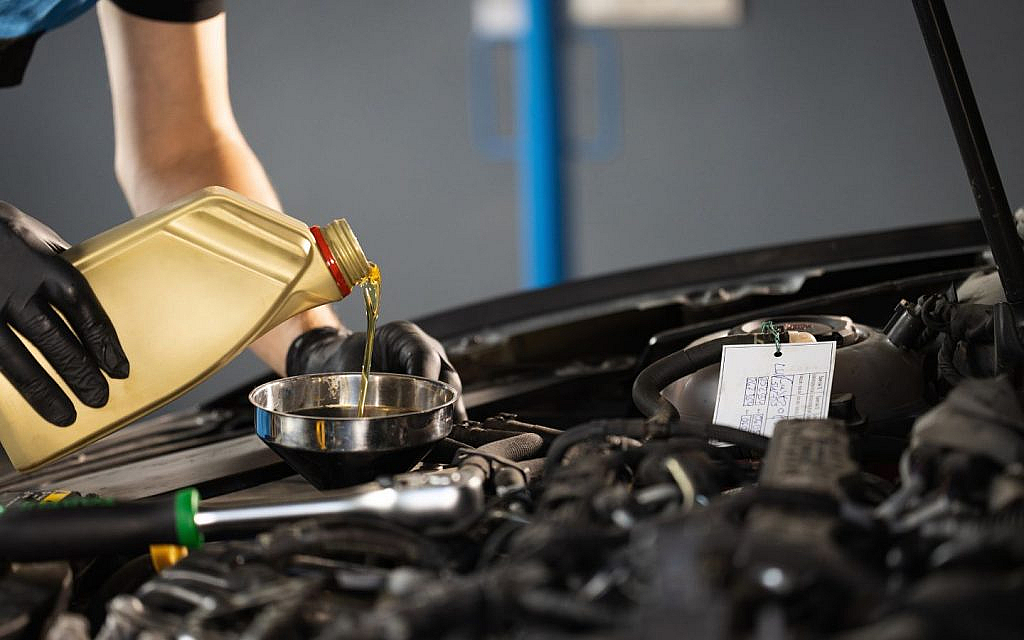
Why Modern Engines Depend More on Car Engine Oil Than Ever Before
Modern engines are engineering miracles. They produce more power from smaller displacement while meeting strict emission standards. But that performance comes with heat, pressure, and tighter tolerances. Your car engine oil now does much more than simple lubrication.
A 2024 SAE International study showed turbocharged engines can expose lubricants to temperatures exceeding 1,000°F around turbo bearings during aggressive driving. That heat breaks weak oils down quickly. Once viscosity collapses, metal contacts metal. Damage begins silently.
Ten years ago, a naturally aspirated engine could tolerate mediocre maintenance longer. Today’s direct-injection turbo engines are less forgiving. Carbon buildup, low-speed pre-ignition, and sludge formation appear faster with poor lubrication.
Here’s what surprised me after talking to independent mechanics in Texas and Ontario. Many engine failures blamed on “bad manufacturing” actually started with incorrect oil viscosity or delayed service intervals.
One Ford EcoBoost owner used thick 20W-50 racing oil because he believed “thicker protects better.” Fuel economy dropped immediately. Cold starts became rough. Six months later, turbo oil starvation damaged the bearings. The engine survived, but the turbo replacement cost over $1,900.
Modern car engine oil handles several jobs simultaneously:
- Lubrication of moving parts
- Heat transfer from internal components
- Cleaning contaminants and sludge
- Protecting against corrosion
- Supporting fuel economy standards
- Maintaining emission system compatibility
That last point matters more than drivers realize. Some oils damage catalytic converters and diesel particulate filters over time. This is why specifications like API SP, ACEA C5, and Dexos Gen 3 exist.
I used to think brand loyalty mattered most. Then I watched fleet vehicles running Walmart SuperTech synthetic survive beyond 250,000 miles because maintenance schedules stayed disciplined. Consistency often beats premium branding.
What the Numbers on Car Engine Oil Actually Mean
Most people recognize labels like 5W-30 or 0W-20. Few understand them correctly.
The first number measures cold-weather flow. Lower numbers improve startup protection during freezing temperatures. The second number reflects viscosity at operating temperature.
A 0W-20 oil flows faster during winter starts than 10W-40. That matters because most engine wear happens within seconds after ignition. Oil pressure needs to build immediately.
Here’s where internet advice becomes dangerous. Drivers often switch viscosities without understanding manufacturer tolerances. I made this mistake myself years ago on a high-mileage Honda Accord. I moved from 5W-20 to 10W-40 after reading online forums claiming thicker oil “restores compression.” Fuel economy dropped nearly 12 percent. Cold starts sounded terrible. The engine actually became noisier.
Manufacturers select car engine oil grades carefully based on:
| Factor | Why It Matters |
|---|---|
| Bearing clearances | Affects lubrication flow |
| Turbocharger temperature | Prevents breakdown |
| Fuel economy targets | Lower viscosity reduces drag |
| Emissions compliance | Protects catalytic systems |
| Cold climate performance | Ensures startup flow |
| Oil pump design | Maintains pressure balance |
Toyota, Honda, and Mazda now favor ultra-thin synthetics like 0W-16 because engines are designed around them. Switching to thicker oils may reduce efficiency and alter oil pressure characteristics.
Now, here’s the catch. Older engines sometimes benefit from slight viscosity adjustments. A worn 2004 pickup with 220,000 miles may tolerate 5W-30 better than factory 5W-20. But that decision should follow actual wear symptoms, not internet myths.
Synthetic vs Conventional Oil Is Not the Debate People Think It Is

The internet treats oil discussions like sports rivalries. Synthetic supporters call conventional oil outdated. Old-school mechanics claim modern synthetics are unnecessary.
Reality sits somewhere in the middle.
Synthetic car engine oil performs better under extreme heat, cold starts, and extended intervals. That part is undeniable. The molecular structure remains more stable under stress. Sludge resistance improves dramatically.
But conventional oil is not instant engine poison.
I worked with a delivery fleet running conventional Valvoline Daily Protection in older Chevrolet vans. Oil changes happened every 4,000 miles without fail. Several vehicles crossed 280,000 miles with original engines.
Meanwhile, another owner used premium synthetic Mobil 1 but delayed service beyond 15,000 miles repeatedly. Sludge buildup became severe enough to clog oil passages.
Maintenance discipline matters more than marketing slogans.
Here’s a practical comparison.
| Oil Type | Best For | Downsides |
|---|---|---|
| Conventional | Older engines, budget use | Breaks down faster |
| Synthetic Blend | Balanced daily driving | Mid-level performance |
| Full Synthetic | Turbo engines, extreme climates | Higher cost |
Brands like Pennzoil Ultra Platinum, Castrol Edge, Liqui Moly, Amsoil, Mobil 1, and Shell Rotella each have loyal audiences for good reasons. I personally noticed smoother cold starts using Pennzoil Platinum during Midwest winters. On the other hand, heavy-duty diesel oils like Rotella T6 worked brilliantly in high-mileage trucks under towing stress.
The “best” car engine oil often depends more on operating conditions than brand reputation.
The Biggest Car Engine Oil Mistakes Drivers Keep Repeating
Here’s what nobody tells you at dealerships. Some “recommended intervals” exist partly for ownership-cycle economics, not maximum longevity.
Several automakers pushed 10,000-mile intervals aggressively during the 2010s. That looked fantastic in marketing brochures. Lower maintenance costs helped attract buyers. Yet many engines developed sludge and timing chain wear long before expected.
A BMW technician in New Jersey told me something blunt during a shop visit in late 2024:
“The engines that survive longest are usually owned by boring people who change oil early.”
That sentence stayed with me.
Common mistakes include:
Ignoring Driving Conditions
Short trips destroy oil faster than highway driving. Stop-and-go traffic creates moisture buildup and fuel dilution. Drivers doing urban commutes should shorten intervals.
Using Cheap Filters
A quality oil paired with a weak filter creates imbalance. Fram Ultra, Wix XP, Bosch Premium, and OEM filters generally outperform bargain options.
Mixing Random Oil Types
Topping off emergencies are fine occasionally. But constantly mixing viscosities and specifications creates inconsistent protection.
Believing Dark Oil Means Bad Oil
Modern detergents intentionally suspend contaminants. Dark oil alone does not indicate failure.
Overfilling the Engine
This mistake appears constantly in DIY garages. Excess oil creates foaming, pressure issues, and catalytic converter damage.
One Subaru owner overfilled by nearly two quarts after watching an inaccurate YouTube tutorial. Blue smoke appeared within days. Repairs became expensive fast.
How to Choose the Right Car Engine Oil for Your Vehicle
The owner’s manual remains the starting point. Not Reddit. Not TikTok. Not your cousin who modifies drift cars.
Still, real-world conditions matter too.
Here’s the practical system I now recommend after years of testing oils in daily drivers and fleet vehicles.
For Daily Commuters
Use manufacturer-approved full synthetic oil. Follow moderate intervals around 5,000 to 7,500 miles depending on driving conditions.
For Turbocharged Engines
Prioritize high-temperature stability and API SP certification. Turbo systems punish weak oil quickly.
For High-Mileage Vehicles
Look for seal conditioners and slightly higher viscosity if oil consumption appears. High-mileage formulations from Valvoline and Castrol often help reduce leaks.
For Extreme Climates
Cold regions benefit from 0W oils. Hot desert environments may need stronger thermal stability.
For Performance Cars
Track use changes everything. Oil temperatures rise dramatically. Enthusiasts often use Motul 300V or Liqui Moly racing blends for added protection.
One thing changed my thinking recently. Oil analysis reports.
Companies like Blackstone Laboratories revealed how differently engines age under identical mileage. A carefully maintained Hyundai hybrid sometimes produced cleaner oil reports than neglected luxury SUVs with half the mileage.
Mileage alone means very little without context.
The Future of Car Engine Oil Is Changing Faster Than Drivers Realize
The oil industry is evolving rapidly because engines are evolving rapidly.
Hybrid vehicles create unique lubrication demands due to constant engine restarts. Electric vehicles reduce overall oil demand, pushing lubricant companies toward specialized formulations and industrial markets.
Low-viscosity oils will dominate future passenger vehicles. We are already seeing wider adoption of 0W-8 and advanced additive packages designed for fuel economy compliance.
But here’s the irony.
As engines become more complex, basic maintenance matters even more. Simpler cars tolerated neglect. Modern engines often do not.
One lubrication engineer at an automotive conference in Detroit explained it perfectly:
“Today’s oils are the most advanced fluids ever made for consumer machines, yet drivers treat them like an afterthought.”
That sentence captures the entire industry.
Choosing the correct car engine oil is not about chasing hype or blindly buying premium labels. It’s about understanding how your engine operates, how you drive, and how modern lubricants protect increasingly stressed machinery.
The drivers who understand that relationship usually avoid the repair bills everyone else complains about later.

FAQs
How often should I change car engine oil?
Most modern vehicles need an oil change every 5,000 to 7,500 miles when using full synthetic oil. Drivers who face heavy traffic, short trips, towing, or extreme temperatures should shorten that interval. Always check the owner’s manual because turbocharged engines and hybrids often have different requirements. Waiting too long can lead to sludge buildup and reduced engine life.
Can I switch from conventional oil to synthetic oil?
Yes, modern engines can safely switch from conventional to synthetic oil. Synthetic formulas provide better heat resistance, cleaner operation, and improved cold-start performance. Older myths about synthetic oil causing leaks are mostly outdated. If an engine already has worn seals, synthetic oil may expose existing leaks faster because it flows more efficiently.
What happens if I use the wrong oil viscosity?
Using incorrect viscosity can reduce fuel economy, increase wear, and affect oil pressure. Thick oil may struggle during cold starts, while overly thin oil might fail under high heat. Modern engines are designed around specific oil grades like 0W-20 or 5W-30. Always follow manufacturer recommendations unless a professional mechanic advises otherwise.
Is expensive car engine oil always better?
Not necessarily. Premium brands often offer stronger additives and better thermal stability, but maintenance consistency matters more. A mid-range synthetic changed regularly can outperform expensive oil left in too long. Brands like Mobil 1, Pennzoil, Castrol, and Valvoline all produce reliable options for most vehicles.
Why does my engine consume oil between changes?
Oil consumption can happen because of worn piston rings, valve seals, turbocharger wear, or aggressive driving. Some newer engines naturally consume small amounts of oil under high temperatures. Check oil levels monthly and top off when needed. Excessive consumption should be inspected by a mechanic before major engine damage develops.
Conclusion
Your engine depends on one thing more than most drivers realize: consistent lubrication. Choosing the right car engine oil is not just routine maintenance. It directly affects engine lifespan, fuel economy, performance, and long-term repair costs. Modern vehicles operate under higher pressure and hotter temperatures than ever before, which means oil quality and maintenance schedules matter far more today than they did a decade ago.
About the Author