Elite Vehicle Inspections in Australia: The Complete Guide to Safer Car Buying, Selling, and Ownership
Introduction
Buying a used car in Australia can feel exciting until hidden mechanical problems turn your investment into an expensive mistake. A vehicle may look spotless on the outside, yet worn suspension, engine leaks, accident damage, or electrical faults can remain invisible during a quick inspection. Many buyers discover these issues only after the purchase, leading to repair bills worth hundreds or even thousands of Australian dollars.
This is where Elite Vehicle Inspections become valuable. A professional inspection provides an independent assessment of a vehicle’s overall condition before money changes hands. Whether you are purchasing a family SUV, selling a sedan, adding vehicles to a business fleet, or buying a used car for work, a detailed inspection helps you make informed decisions and reduce financial risk.
Australia’s used car market continues to grow as more drivers choose pre-owned vehicles over brand-new models. While this creates more buying opportunities, it also increases the importance of verifying a vehicle’s true condition. A professional inspection can reveal previous accident damage, mechanical wear, safety concerns, and maintenance issues that may not appear during a short test drive.
In this guide, you’ll learn everything about Elite Vehicle Inspections in Australia. We’ll explain what they include, how they work, their benefits, average costs, inspection types, and how to choose a reliable inspection service.
Before making any buying decision, investing in Elite Vehicle Inspections can help you identify hidden issues and avoid costly surprises.
Executive Summary
If you’re short on time, here are the key takeaways from this guide.
- Elite Vehicle Inspections provide a detailed assessment of a vehicle’s mechanical, structural, and safety condition.
- They help Australian buyers avoid hidden repair costs before purchasing a used vehicle.
- Professional inspections cover the engine, transmission, suspension, brakes, tyres, electrical systems, interior, exterior, and underbody.
- Mobile inspection services make it possible to inspect vehicles at dealerships or private sellers’ locations.
- Inspection costs in Australia typically range from AUD $150 to $500, depending on the inspection type and vehicle.
- A comprehensive inspection report can strengthen price negotiations and reduce the risk of unexpected repairs.
- Choosing an experienced inspection provider with modern diagnostic equipment delivers more reliable results.
Whether you’re buying your first used car or managing a commercial fleet, investing in a professional inspection is often far less expensive than paying for major repairs after purchase.
What Are Elite Vehicle Inspections?
Elite Vehicle Inspections refer to comprehensive professional vehicle assessments designed to evaluate a vehicle’s overall condition before it is bought, sold, insured, or added to a fleet. Unlike a basic visual check, these inspections examine both visible and hidden components to identify mechanical problems, safety concerns, previous accident damage, and signs of poor maintenance.
A qualified automotive inspector follows a structured inspection process using specialised tools, diagnostic scanners, and practical experience to produce a detailed condition report. This report gives buyers and sellers a clear understanding of the vehicle’s strengths, weaknesses, and potential repair costs.
In Australia, Elite Vehicle Inspections are commonly used for:
- Buying a used vehicle from a dealer or private seller
- Selling a vehicle with greater buyer confidence
- Inspecting fleet and commercial vehicles
- Insurance assessments
- Interstate vehicle purchases
- Pre-roadworthy evaluations
- Luxury, performance, and classic vehicle inspections
Unlike a standard road test, a professional inspection looks far beyond appearance. It examines critical systems that directly affect safety, reliability, and long-term ownership costs.
Why Elite Vehicle Inspections Matter in Australia
Australia’s driving conditions vary from busy city streets to long rural highways, making vehicle reliability more important than ever. Heat, rough roads, coastal environments, and long-distance travel can all accelerate wear on key components.
Elite Vehicle Inspections help identify hidden mechanical issues before you purchase a used vehicle.
Some of the biggest benefits include:
Protect Your Investment
A used vehicle may hide expensive mechanical issues beneath a clean exterior. An inspection uncovers these problems before you commit to the purchase.
Improve Negotiation Power
A detailed inspection report provides evidence when negotiating the purchase price. Buyers often use identified defects to request repairs or negotiate a lower price.
Increase Safety
Faulty brakes, worn suspension, damaged tyres, or steering problems can place drivers and passengers at risk. Professional inspections help ensure the vehicle meets acceptable safety standards.
Reduce Unexpected Repair Costs
Spending a few hundred dollars on an inspection can save thousands in future repair bills by identifying engine, transmission, or electrical issues early.
Build Confidence
Whether you’re purchasing from a dealership or a private seller, an independent inspection offers peace of mind by confirming the vehicle’s actual condition instead of relying solely on advertisements or verbal claims.
Types of Elite Vehicle Inspections
Different situations require different inspection services. Understanding each type helps you choose the right inspection for your needs.
Not all Elite Vehicle Inspections are designed for the same purpose. Whether you’re buying a used car, selling your vehicle, or managing a commercial fleet, choosing the right type of Elite Vehicle Inspections ensures you receive the most relevant assessment and recommendations.
Pre-Purchase Inspection
The most common option for used car buyers. It identifies mechanical issues, accident history, and maintenance concerns before the sale is completed.
Pre-Sale Inspection
Vehicle owners often arrange this inspection before listing a car for sale. It increases buyer confidence and can support a fair asking price.

Mobile Vehicle Inspection
A qualified inspector travels directly to the vehicle’s location, making the process convenient for both buyers and sellers.
Roadworthy Inspection
This inspection focuses on safety-related components required for vehicle registration or transfer in many Australian states.
Fleet Vehicle Inspection
Businesses use fleet inspections to monitor vehicle condition, improve maintenance planning, reduce downtime, and support driver safety.
What’s Included in an Elite Vehicle Inspection?
A professional Elite Vehicle Inspection goes far beyond a simple visual assessment. The goal is to uncover hidden defects, safety concerns, and potential repair costs before they become expensive problems. While inspection checklists vary between providers, most comprehensive inspections in Australia cover the following areas.
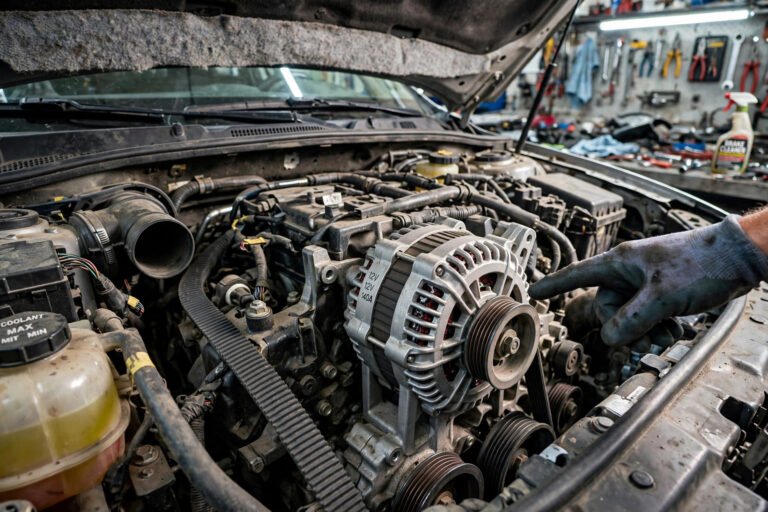
Engine Assessment
The engine is one of the most expensive components to repair or replace. Inspectors evaluate:
- Oil leaks and fluid leaks
- Engine noise and vibration
- Cooling system condition
- Belts and hoses
- Signs of overheating
- Fluid levels and contamination
Even minor engine issues can lead to significant repair bills if left unresolved.
Transmission Inspection
Transmission repairs are often costly. A qualified inspector checks:
- Gear shifting performance
- Transmission fluid condition
- Delayed engagement
- Unusual noises
- Warning lights
Both automatic and manual transmissions require careful evaluation.
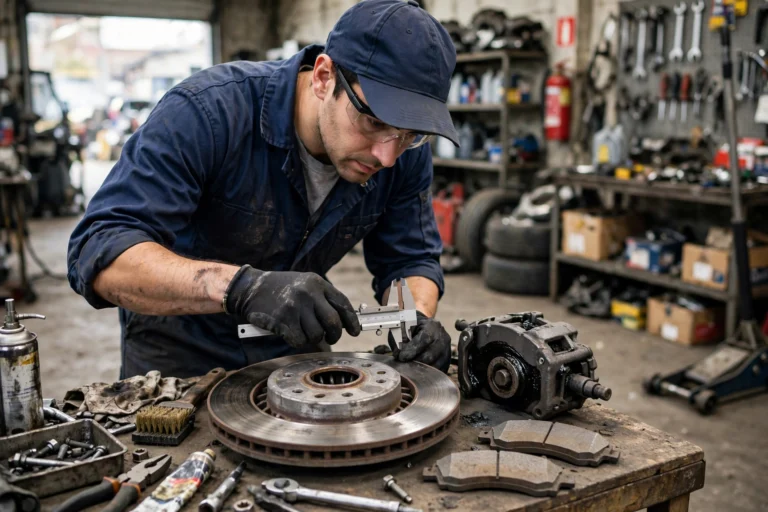
Brakes and Safety Systems
Vehicle safety depends heavily on braking performance. The inspection typically includes:
- Brake pad wear
- Brake rotor condition
- Brake fluid levels
- ABS functionality
- Handbrake operation
Any weakness in the braking system should be addressed immediately.
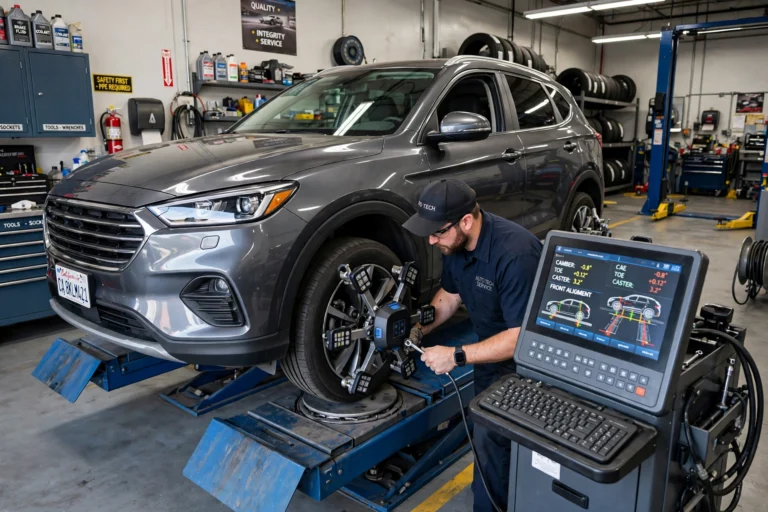
Suspension and Steering
Australian roads can place significant stress on suspension components. Inspectors examine:
- Shock absorbers
- Struts
- Ball joints
- Bushings
- Steering components
- Wheel alignment indicators
Excessive wear can affect both safety and driving comfort.
Tyres and Wheels
Tyres reveal a lot about vehicle maintenance. Inspectors look for:
- Uneven tyre wear
- Tread depth
- Sidewall damage
- Wheel condition
- Alignment issues
Poor tyre condition often signals deeper suspension or steering problems.
Electrical and Electronic Systems
Modern vehicles rely heavily on electronics. Inspectors test:
- Battery health
- Charging system
- Exterior lights
- Interior electronics
- Power windows
- Dashboard warning indicators
A diagnostic scan may also reveal hidden fault codes that are not immediately visible.
Interior and Exterior Condition
The inspection also evaluates:
- Seat condition
- Dashboard wear
- Air conditioning performance
- Paint quality
- Body damage
- Rust and corrosion
- Previous accident repairs
Evidence of poor repairs or structural damage can significantly affect vehicle value.
Undercarriage Inspection
The underside often tells the real story of a vehicle’s condition. Inspectors check for:
- Rust
- Structural damage
- Oil leaks
- Suspension wear
- Exhaust system issues
This area frequently exposes problems that sellers may overlook or fail to disclose.
Step-by-Step Elite Vehicle Inspection Process
Understanding the inspection process helps buyers know what to expect.
Step 1: Vehicle Information Review
The inspector records essential details, including:
- Registration information
- Vehicle Identification Number (VIN)
- Odometer reading
- Service history
- Ownership records
These details help verify the vehicle’s background.
Step 2: Visual Examination
A thorough visual assessment identifies obvious concerns such as body damage, rust, poor repairs, and signs of neglect.
Step 3: Mechanical Inspection
The inspector evaluates key mechanical systems, including the engine, transmission, brakes, suspension, steering, and cooling system.
Step 4: Diagnostic Testing
Modern inspection providers often use advanced diagnostic scanners to identify fault codes and electronic system issues.
Step 5: Road Test
A controlled road test helps assess:
- Engine performance
- Gear changes
- Braking efficiency
- Steering response
- Ride comfort
- Unusual noises
This stage often reveals problems that remain hidden while the vehicle is stationary.
Step 6: Detailed Inspection Report
The final report outlines:
- Current vehicle condition
- Identified defects
- Safety concerns
- Recommended repairs
- Estimated urgency of repairs
This document becomes a valuable tool for negotiating the purchase price or planning future maintenance.
Cost of Elite Vehicle Inspections in Australia
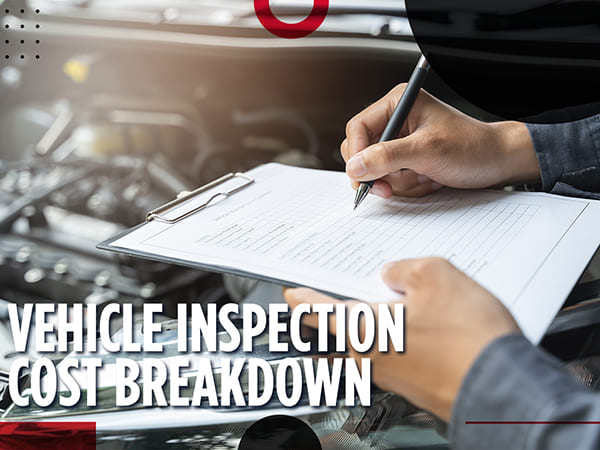
The cost of an Elite Vehicle Inspection depends on the vehicle type, inspection depth, location, and whether you choose a workshop or a mobile inspection service. While it may seem like an additional expense, it can save you thousands of dollars by identifying costly problems before you buy.
Average Inspection Costs in Australia
| Inspection Type | Average Cost (AUD) | Best For |
|---|---|---|
| Basic Vehicle Inspection | $150–$250 | Older vehicles with known service history |
| Comprehensive Inspection | $250–$450 | Most used cars and SUVs |
| Luxury or Performance Vehicle Inspection | $400–$800 | Premium and high-value vehicles |
| Mobile Vehicle Inspection | $250–$500 | Private sales and interstate purchases |
| Commercial or Fleet Inspection | Custom Quote | Businesses and fleet operators |
Although Elite Vehicle Inspections require an upfront investment, they often save buyers far more by preventing unexpected repair expenses.
Tip: Always compare what’s included in the inspection rather than choosing the cheapest option. A more detailed report often provides better value.
Factors That Affect Inspection Costs
Several factors can influence the final price of a professional inspection.
Vehicle Type
Larger vehicles such as 4WDs, vans, and commercial trucks generally require more inspection time than standard passenger cars.
Inspection Depth
A basic visual inspection costs less than a comprehensive assessment that includes a diagnostic scan, road test, and detailed written report.
Location
Inspection prices can vary across Australian states and between metropolitan and regional areas. Mobile inspections may also include a travel fee.
Vehicle Age
Older vehicles often require additional checks because components may show more wear and tear.
Best Elite Vehicle Inspection Services and Tools in Australia
Choosing the right inspection provider is just as important as deciding to get an inspection in the first place. A reputable company uses experienced inspectors, modern diagnostic equipment, and detailed reporting to give buyers a clear understanding of a vehicle’s condition.
Below are some of Australia’s most trusted Elite vehicle inspection services and diagnostic tools.
1. RedBook Inspect
Best For: Pre-purchase inspections across Australia
Pros
- Comprehensive inspection reports
- Mobile inspection service
- High-quality photographs included
- Suitable for private and dealer purchases
Cons
- Availability varies by region
- Premium inspections cost more than basic services
Typical Pricing: From AUD $250
2. NRMA Vehicle Inspections
Best For: Buyers in New South Wales and the ACT
Pros
- Trusted automotive organisation
- Detailed mechanical reports
- Experienced inspectors
- Easy online booking
Cons
- Limited coverage outside NSW and ACT
Typical Pricing: Varies depending on inspection level.
3. RACV Vehicle Inspections
Best For: Victorian vehicle buyers
Pros
- Strong industry reputation
- Comprehensive inspection checklist
- Professional reporting
- Reliable customer support
Cons
- Primarily available in Victoria
Typical Pricing: Mid-range.
4. RACQ Vehicle Inspections
Best For: Queensland drivers
Pros
- Thorough mechanical inspections
- Trusted local brand
- Suitable for private and dealer vehicles
Cons
- Regional availability may differ.
5. mycar Tyre & Auto
Best For: General vehicle health checks
Pros
- Nationwide workshop network
- Qualified technicians
- Convenient booking process
Cons
- Not every location offers the same inspection packages.
6. Bosch Car Service
Best For: European and premium vehicles
Pros
- Advanced diagnostic equipment
- Experienced technicians
- Excellent for modern vehicles
Cons
- Pricing can be higher than independent workshops.
Industry Trends in Australia’s Vehicle Inspection Market
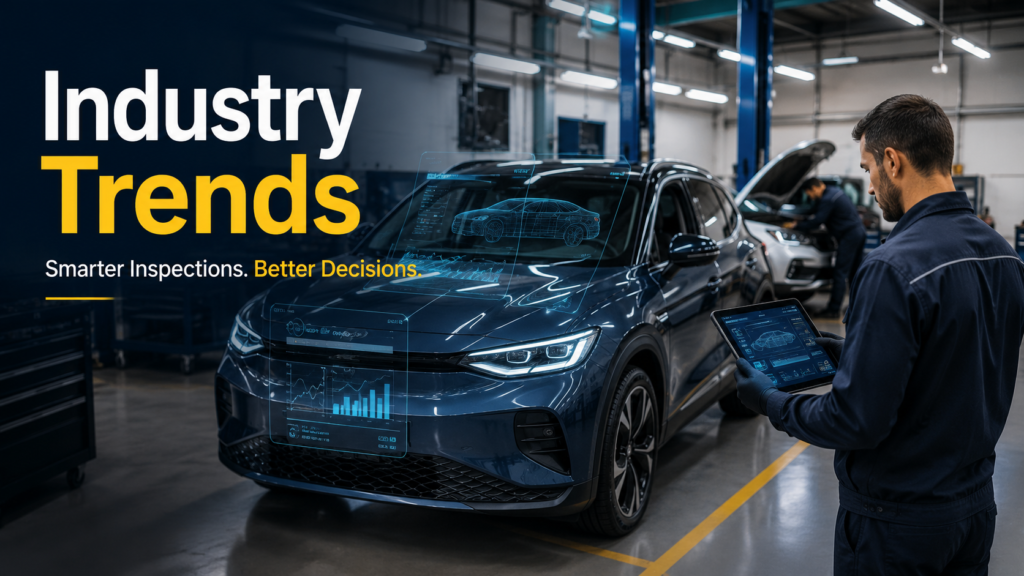
The Australian automotive industry continues to evolve, and vehicle inspections are becoming more advanced each year. New technologies and changing consumer expectations are improving how inspections are performed and reported.
1. Growing Demand for Mobile Vehicle Inspections
More Australians are purchasing vehicles through online marketplaces and interstate dealerships. As a result, mobile inspection services have become increasingly popular. Qualified inspectors travel directly to the vehicle’s location, saving buyers time while providing independent assessments before purchase.
2. Advanced Digital Inspection Reports
Traditional handwritten inspection notes are being replaced with detailed digital reports. Many inspection companies now include high-resolution photographs, videos, severity ratings, and repair recommendations, making it easier for buyers to understand a vehicle’s condition.
3. Increased Focus on Electric Vehicles (EVs)
As electric vehicle adoption continues to grow across Australia, inspection providers are expanding their expertise. Modern inspections now evaluate battery health, charging systems, electric drivetrains, regenerative braking systems, and high-voltage components alongside traditional mechanical checks.
4. Rising Consumer Awareness
Australian buyers are becoming more informed about the risks of purchasing used vehicles without professional inspections. This growing awareness has increased demand for independent inspection services that offer transparent, unbiased reports before a sale is completed.
The future of Elite Vehicle Inspections in Australia will likely include artificial intelligence-assisted diagnostics, remote vehicle health monitoring, and even more detailed digital reporting. While technology will continue to improve the inspection process, experienced automotive professionals will remain essential for identifying issues that software alone cannot detect.
As automotive technology evolves, Elite Vehicle Inspections are becoming more accurate through advanced diagnostic tools and digital reporting systems.
Frequently Asked Questions (FAQs)
1. What is an Elite Vehicle Inspection?
An Elite Vehicle Inspection is a comprehensive assessment of a vehicle’s mechanical, structural, and safety condition. It helps buyers, sellers, and fleet owners understand a vehicle’s overall health before making an important decision.
2. Are Elite Vehicle Inspections worth the cost in Australia?
Yes. Spending between AUD $150 and $500 on a professional inspection can help you avoid unexpected repair bills that may cost thousands of dollars after purchasing a used vehicle.
3. How long does a professional Elite vehicle inspection take?
Most inspections take 60 to 120 minutes, depending on the vehicle’s size, age, and inspection package.
4. Can I inspect a used car myself?
A basic visual inspection is always recommended, but it cannot replace a professional inspection. Qualified inspectors have the tools and expertise to detect hidden mechanical, structural, and electronic issues that are difficult to identify without specialised equipment.
5. Are mobile Elite vehicle inspections reliable?
Yes. Reputable mobile inspection services follow the same professional procedures as workshop-based inspections while offering greater convenience for buyers and sellers.
6. Does a vehicle inspection guarantee there will be no future problems?
No. An inspection reflects the vehicle’s condition at the time of assessment. While it identifies existing issues and signs of wear, it cannot predict every future mechanical failure.
7. Is a roadworthy inspection the same as a pre-purchase inspection?
No. A roadworthy inspection focuses on minimum legal safety requirements, while a pre-purchase inspection provides a much more detailed evaluation of the vehicle’s mechanical and cosmetic condition.
8. Should I get an inspection when buying from a dealership?
Yes. Even reputable dealerships may not identify every issue before listing a vehicle. An independent inspection provides an unbiased assessment and gives buyers additional confidence.
Conclusion
Purchasing a used vehicle is a significant financial decision, and appearances alone rarely tell the full story. A clean exterior or a smooth test drive does not guarantee that the engine, suspension, brakes, or electrical systems are in excellent condition. That’s why investing in an Elite Vehicle Inspection is one of the smartest steps any buyer or seller can take.
Throughout this guide, we’ve explored how professional vehicle inspections work, what they include, their average costs in Australia, and how they help reduce financial risk. We’ve also compared leading inspection providers, examined current industry trends, and highlighted the importance of choosing an experienced, independent inspector.
For Australian buyers, a professional inspection offers more than a simple checklist. It provides confidence, transparency, and the information needed to negotiate fairly or avoid a costly mistake altogether. Sellers also benefit by demonstrating honesty and building trust with potential buyers through documented vehicle assessments.
As Australia’s automotive industry continues to evolve with electric vehicles, connected technologies, and digital inspection tools, professional vehicle inspections will become even more valuable. Combining advanced diagnostic equipment with the expertise of qualified inspectors ensures buyers receive the most accurate picture of a vehicle’s condition.
Whether you’re buying, selling, or maintaining a vehicle, Elite Vehicle Inspections remain one of the most effective ways to protect your investment and make informed decisions.