How Much Does a Wheel Alignment Cost in 2026? Signs, Prices, and When You Need One for US Drivers
If your car pulls to one side, your steering wheel sits crooked when you drive straight, or your tires are wearing out faster than they should, a wheel alignment may be the fix you need. It is one of the most common maintenance jobs in the United States, and it is also one of the most misunderstood. Many drivers skip it because they are not sure what it costs or whether it is really necessary. In this guide, we break down exactly how much a wheel alignment costs in 2026, what affects the price, the warning signs to watch for, and how often you should get one. By the end, you will know whether your car needs an alignment now or whether you can safely wait.
What Is a Wheel Alignment?
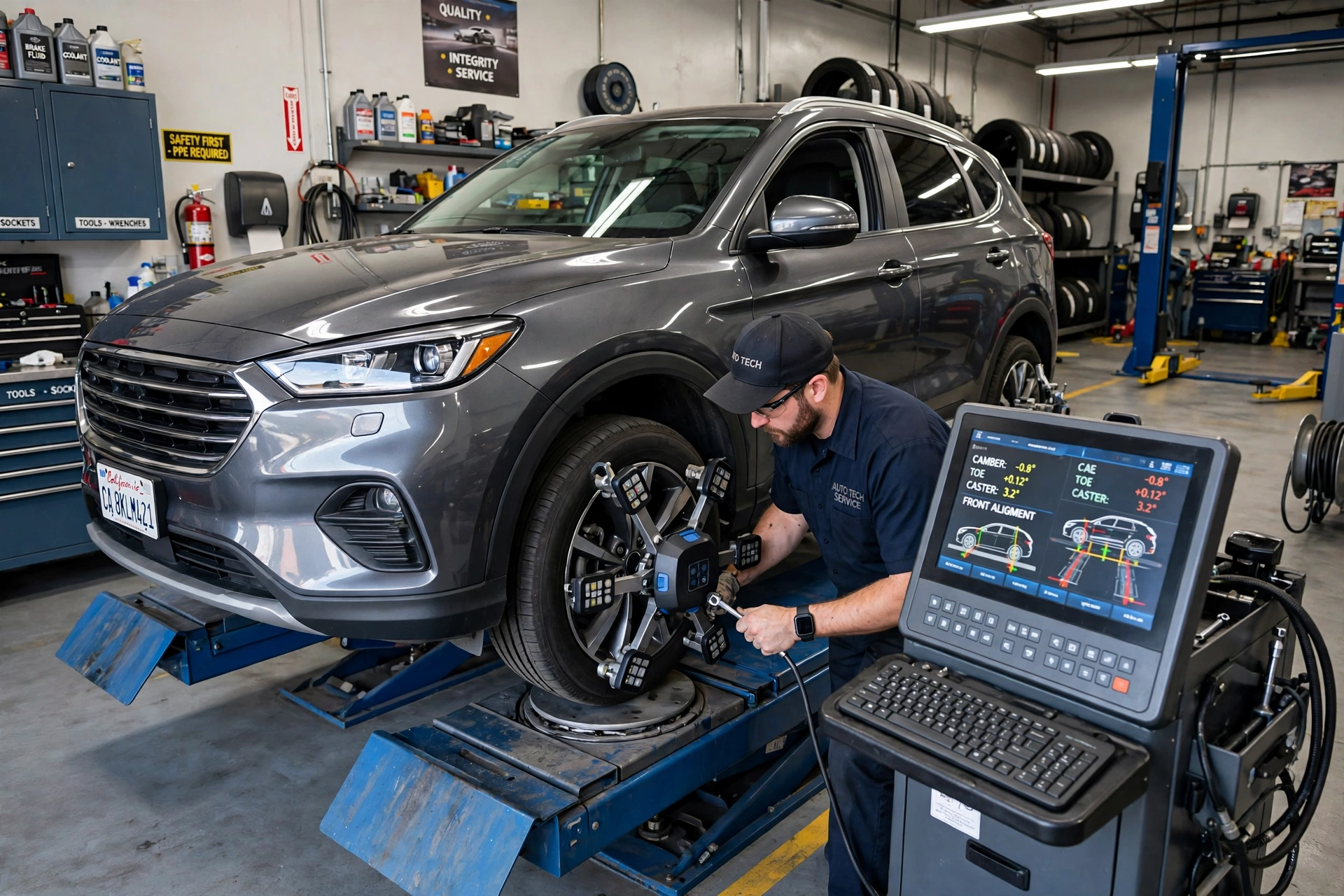
A wheel alignment, also called a wheel alignment service, adjusts the angles of your car’s wheels so they meet the road correctly. The three main angles are camber, caster, and toe. Camber is the inward or outward tilt of the wheel when viewed from the front. Caster is the angle of the steering axis when viewed from the side. Toe is whether the front of the wheels point slightly inward or outward. When these angles are out of spec, your tires do not contact the road evenly. That causes uneven wear, poor handling, and lower fuel economy. An alignment does not bend wheels or change tires. It adjusts the suspension parts that control those angles back to the manufacturer’s specifications, using a computerized alignment machine. For a technical overview of these angles, see the background on wheel alignment from Wikipedia.
How Much Does a Wheel Alignment Cost in 2026?
For most US drivers, a standard wheel alignment costs between $75 and $200 in 2026. A two-wheel alignment, usually just the front wheels, costs $75 to $100. A four-wheel alignment, which covers all four wheels and is standard on most modern cars, costs $100 to $200. Luxury cars, trucks, and vehicles with advanced driver assistance systems can cost $200 to $300 or more, especially if a camera or sensor recalibration is needed after the work. Here is a simple price breakdown for typical US shops.
| Alignment type | Typical 2026 price | Best for |
|---|---|---|
| Two-wheel (front only) | $75 to $100 | Older cars with a solid rear axle |
| Four-wheel | $100 to $200 | Most modern cars, SUVs, and trucks |
| Four-wheel plus ADAS recalibration | $200 to $300 plus | Cars with lane keep assist, adaptive cruise, or blind spot cameras |
| Alignment check only | $0 to $50 | Some shops offer a free check, then quote the repair |
| Lifetime alignment package | $180 to $300 one time | Drivers who keep a car for years and hit potholes often |
Prices vary by region. Shops in large cities like Los Angeles, New York, and Chicago often charge at the high end. Independent shops are usually cheaper than dealerships, while dealerships may charge more but use factory specs for your exact model. Tire shops such as Firestone, Discount Tire, and Pep Boys often run alignment specials, so it pays to compare two or three quotes before you book.
Signs You Need a Wheel Alignment
You do not need to guess. Your car will usually tell you when the alignment is off. Watch for these signs:
1. Your car pulls to one side
If you let go of the steering wheel briefly on a flat, straight road and the car drifts left or right, that is a classic sign. A slight drift can also come from road crown or uneven tire pressure, so check your tire pressure first. If the pull stays after pressure is correct, get an alignment check.

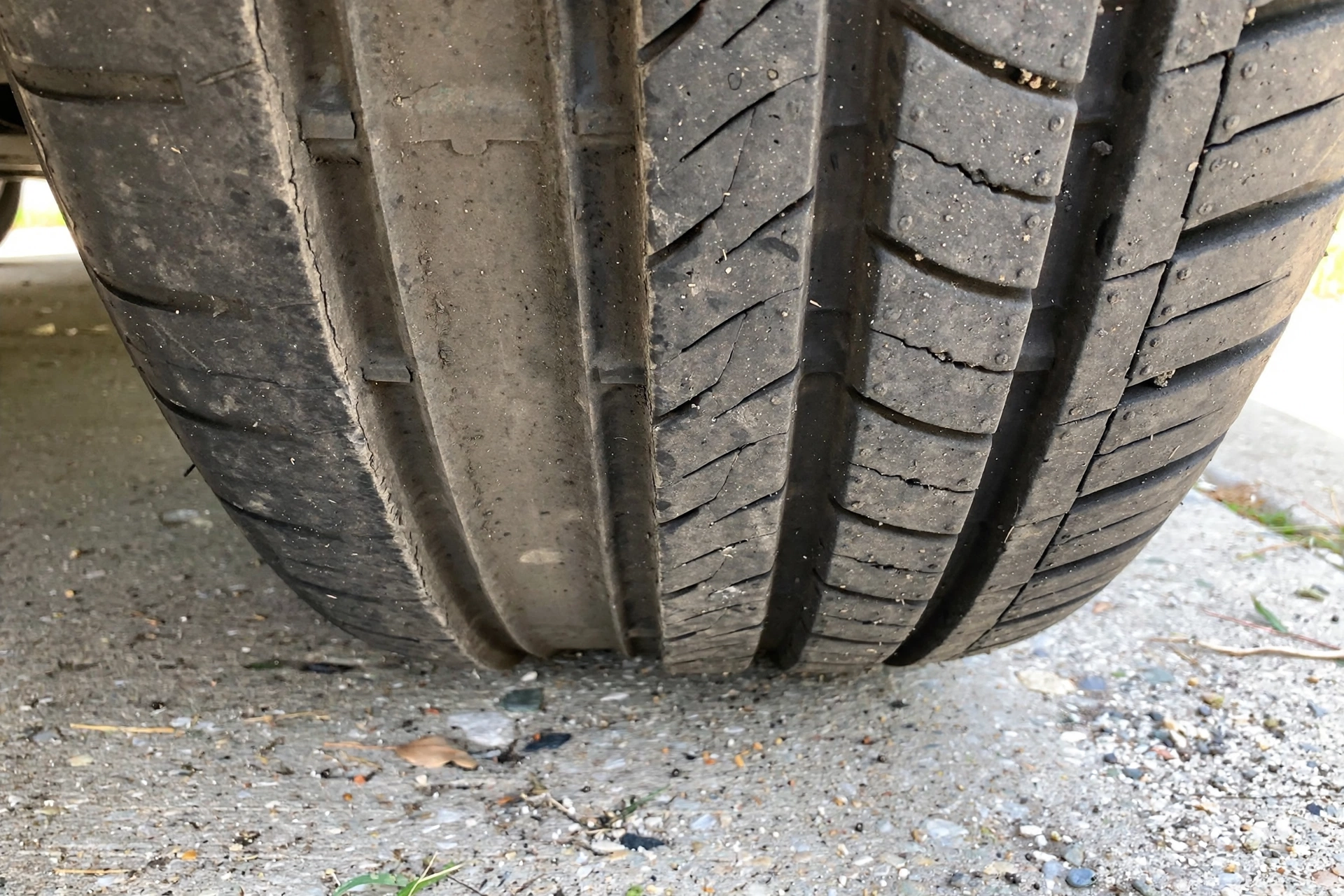
2. Uneven tire wear
Run your hand across the tread of each tire. If one edge feels smooth while the other still has deep tread, or if you see feathering, cupping, or bald patches on one side, the alignment is likely off. Uneven wear shortens tire life fast. A $150 alignment can save you $600 or more on a new set of tires.
3. A crooked steering wheel
When you drive straight, the steering wheel should sit level. If it tilts to one side while the car goes straight, the toe angle is probably out. This is both annoying and a sign that your tires are scrubbing the road instead of rolling cleanly.
4. Squealing tires or poor handling
Tires that squeal on normal turns at low speed, vague steering, or a car that feels unstable at highway speed can all point to alignment trouble. These symptoms can also come from worn suspension parts, so a shop should inspect the suspension before aligning.
5. After hitting a pothole or curb
One hard hit can knock the alignment out in a second. If you hit a deep pothole, a curb, or road debris at speed, and the steering feels different afterward, get it checked. The same applies after suspension work, such as replacing struts, control arms, or tie rods.
What Affects the Price?
Several factors push the price up or down: Vehicle type: Trucks, SUVs, and performance cars take longer and cost more than a small sedan. Two-wheel vs four-wheel: Four-wheel alignments take more time and use more measurements. Suspension condition: Worn ball joints, tie rods, or bushings must be replaced before a proper alignment is possible, and that adds parts and labor. ADAS recalibration: If your car has cameras or radar behind the windshield or bumper, the shop may need to recalibrate them after alignment work. Shop type: Dealerships tend to charge more than independent shops, while national tire chains often run coupons. Location: Labor rates in California and the Northeast are higher than in many Midwest and Southern states. Always ask what the quoted price includes. A good quote covers the alignment check, the adjustment, a before and after printout, and a road test. If a shop quotes a very low price but adds fees for the check, the printout, or each adjustment, the final bill may be higher than a competitor’s all-in price.
How Often Should You Get a Wheel Alignment?
Most manufacturers and tire experts recommend checking alignment every 12,000 to 15,000 miles, or about once a year, whichever comes first. You should also get one when you buy new tires, after suspension or steering repairs, and after a hard pothole or curb hit. If you drive on rough roads often, check it more frequently. Think of it as cheap insurance for your tires. New tires are expensive, and a bad alignment can cut their life in half. Pairing an alignment with other routine work makes sense too. For example, if you are already budgeting for brakes, check how much does a brake job cost so you can plan both jobs together, and if winter is coming, read our guide on how to winterize your car to protect the whole vehicle, not just the tires.
Wheel Alignment vs Tire Balancing vs Tire Rotation
Drivers often confuse these three services, but they fix different problems: Wheel alignment adjusts the angles of the wheels. Tire balancing fixes vibration by adding small weights so the tire and wheel spin evenly. Tire rotation moves tires to different positions so they wear more evenly over time. A vibration at highway speed usually points to balancing, not alignment. A pull to one side usually points to alignment. A shop can check all three in one visit, and many shops offer a package deal if you need more than one service.
Can You Do a Wheel Alignment at Home?
Basic string or DIY methods exist, and some experienced home mechanics use them for older cars or off-road vehicles. For most modern cars, a professional alignment is worth it. The tolerances are tight, often less than one degree, and a computerized machine measures all four wheels at once. A small error can wear tires quickly or make handling worse. If you do try a DIY check, use it only to confirm a problem, then let a shop do the final adjustment and give you a printout.
How to Save Money on a Wheel Alignment
You do not need to pay full price every time. Try these tips: Ask about coupons: Tire chains and dealerships run alignment specials, especially in spring and fall. Consider a lifetime package: If you plan to keep the car for five years or more, a $200 lifetime plan can pay for itself after two visits. Bundle services: Ask for a combined price if you also need a tire rotation, balancing, or an oil change. Fix worn parts first: Aligning a car with worn tie rods wastes money, because the alignment will drift again. Replace worn parts first, then align. Keep tire pressure correct: Correct pressure will not fix a bad alignment, but it stops extra wear while you wait for your appointment.
What to Expect at the Shop
A standard alignment takes 45 to 90 minutes. The technician will drive the car, inspect the tires and suspension, mount sensors on each wheel, and measure the current angles. After adjusting camber, caster, and toe to spec, they will give you a before and after printout. Keep that printout. It proves the work was done and shows how far out the alignment was before the fix. If the shop says it cannot align the car because a part is worn, ask to see the worn part and get a written quote for that repair before you approve it.
Frequently Asked Questions
How much does a wheel alignment cost in 2026?
For most US cars, a four-wheel alignment costs $100 to $200 in 2026. A two-wheel alignment costs $75 to $100. Luxury cars, trucks, and cars needing ADAS camera recalibration can cost $200 to $300 or more.
How often should I get a wheel alignment?
Check alignment every 12,000 to 15,000 miles or about once a year, and also after new tires, suspension repairs, or hitting a large pothole or curb.
How long does a wheel alignment take?
A standard alignment takes 45 to 90 minutes at most shops, longer if worn suspension parts need replacement first or if ADAS recalibration is required.
Can I drive with a bad wheel alignment?
You can drive short distances, but it is not wise to ignore it for long. Bad alignment wears tires unevenly, hurts fuel economy, and can make handling less safe, especially in rain or at highway speed.
Does a wheel alignment include tire rotation or balancing?
No. Alignment, rotation, and balancing are separate services. Many shops offer them as a package, so ask for a combined quote if you need more than one.
Final Verdict
A wheel alignment is not an upsell to ignore. At $100 to $200, it is one of the cheapest ways to protect a $600-plus set of tires, improve handling, and save fuel. If your car pulls, your steering wheel sits crooked, or your tires show uneven wear, book an alignment check this week. Get two quotes, ask for a before and after printout, and fix any worn suspension parts first so the alignment holds. Your tires, and your wallet, will thank you.