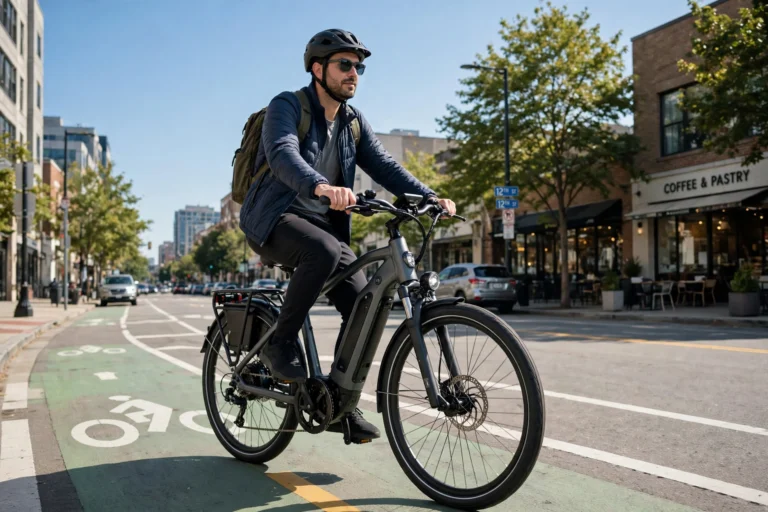
How Much Does E-Bike Insurance Cost in 2026? Coverage, Prices, and Is It Worth It for US Riders
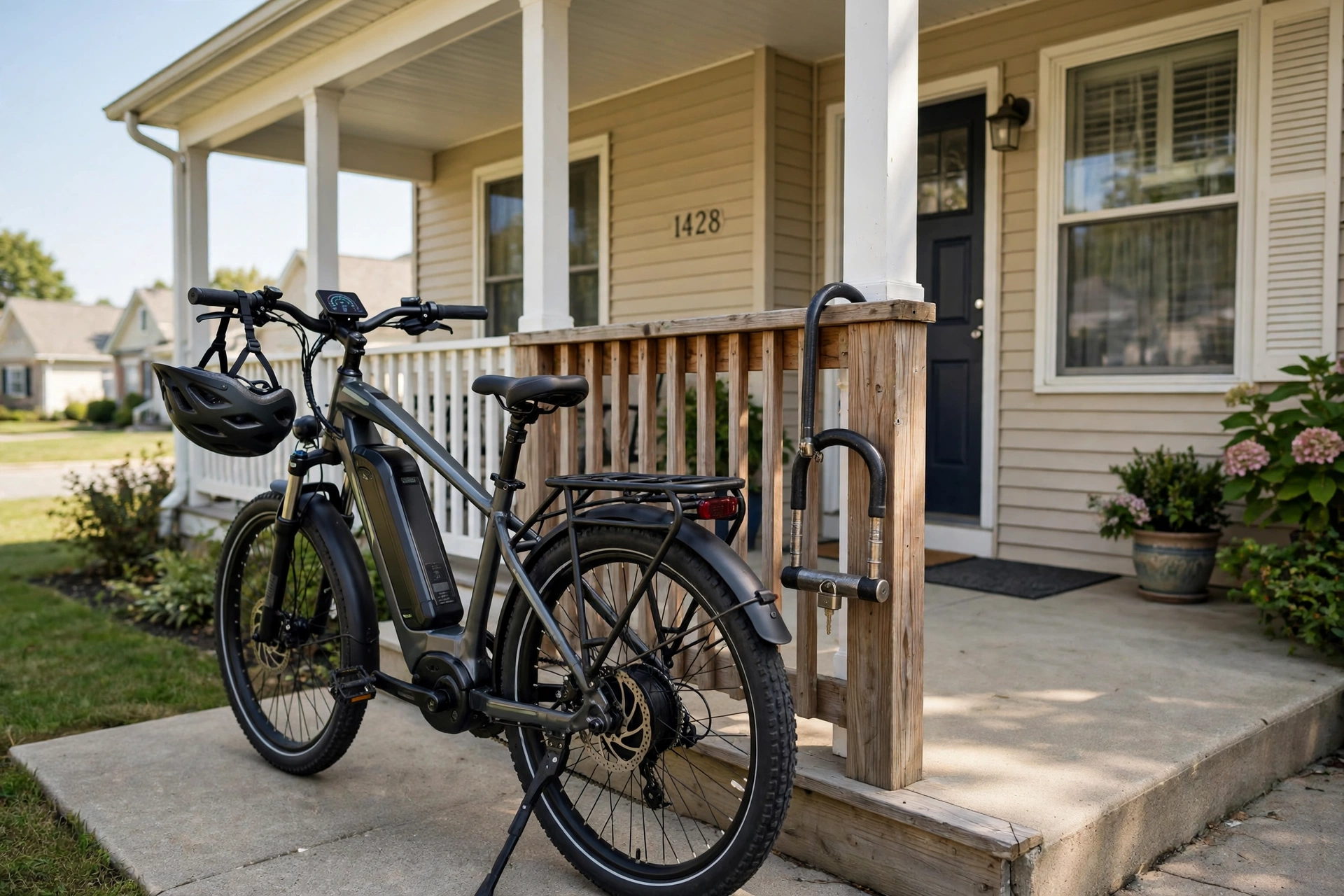
An electric bike can cost anywhere from $800 to $5,000 or more, and for many riders it is the most expensive thing they own after their car. That raises a simple question: what happens if it gets stolen, damaged in a crash, or hit by a car while it is parked outside a store? E-bike insurance exists to answer that question, and in 2026 more US riders are buying it than ever before. In this guide we break down what e-bike insurance costs, what it covers, what it leaves out, and whether it is worth the money for your bike.
What Is E-Bike Insurance?
E-bike insurance is a standalone policy that protects your electric bike against theft, accidental damage, and in many cases liability if you injure someone or damage property while riding. It works a lot like car insurance, just on a smaller scale. You pay a monthly or yearly premium, and if something covered happens, the insurer pays for the repair or replacement after you pay your deductible.
A standard policy usually covers the whole bike, including the motor and battery, which are the two most expensive parts. Some policies also cover accessories such as a child seat, a rack, or a GPS tracker, and a few cover the cost of a rental bike while yours is being repaired. The key difference from a homeowners policy is that e-bike insurance is built for the way riders actually use their bikes, which means commuting, parking in public places, and riding on roads and trails every day.
Most US e-bike policies come from specialist insurers such as Velosurance, Spoke Insurance, Markel, and Sundays Insurance. A few large insurers also offer e-bike coverage as an add-on, but specialist policies are usually the better fit because they understand e-bike values, classes, and theft risk.
How Much Does E-Bike Insurance Cost in 2026?
For most US riders, e-bike insurance costs between $100 and $300 per year. That works out to roughly $8 to $25 per month. A basic theft-only policy for a $1,000 commuter bike can cost as little as $75 a year, while full coverage for a $4,000 cargo e-bike in a high-theft city can run $350 to $500 a year.
The table below shows typical yearly premiums for 2026. These are realistic ranges based on what specialist insurers charge, not exact quotes, so your price will depend on your bike, your city, and the coverage you choose.
| Bike value | Basic theft cover | Full cover (theft + damage + liability) |
|---|---|---|
| Under $1,000 | $75 to $120 per year | $100 to $180 per year |
| $1,000 to $2,000 | $100 to $150 per year | $150 to $250 per year |
| $2,000 to $3,500 | $130 to $200 per year | $200 to $350 per year |
| $3,500 to $5,000 | $180 to $280 per year | $300 to $500 per year |
| Over $5,000 | $250 to $400 per year | $400 to $700 per year |
Most insurers charge a deductible of $100 to $500 per claim. A higher deductible lowers your yearly premium, but it means you pay more out of pocket when you claim. For a $1,500 bike, a $250 deductible is a common middle ground.
What Does E-Bike Insurance Cover?
A full e-bike policy usually covers five things. First is theft, which is the main reason most riders buy insurance. If your bike is stolen while locked, the insurer pays the replacement value minus your deductible. Second is accidental damage, which covers crashes, falls, and collisions, including damage to the frame, wheels, motor, and battery. Third is liability, which pays if you injure a pedestrian or damage someone else’s property while riding. Fourth is damage by other people, for example if a car hits your parked bike. Fifth is roadside assistance on some policies, which can help if your battery dies or your bike breaks down far from home.
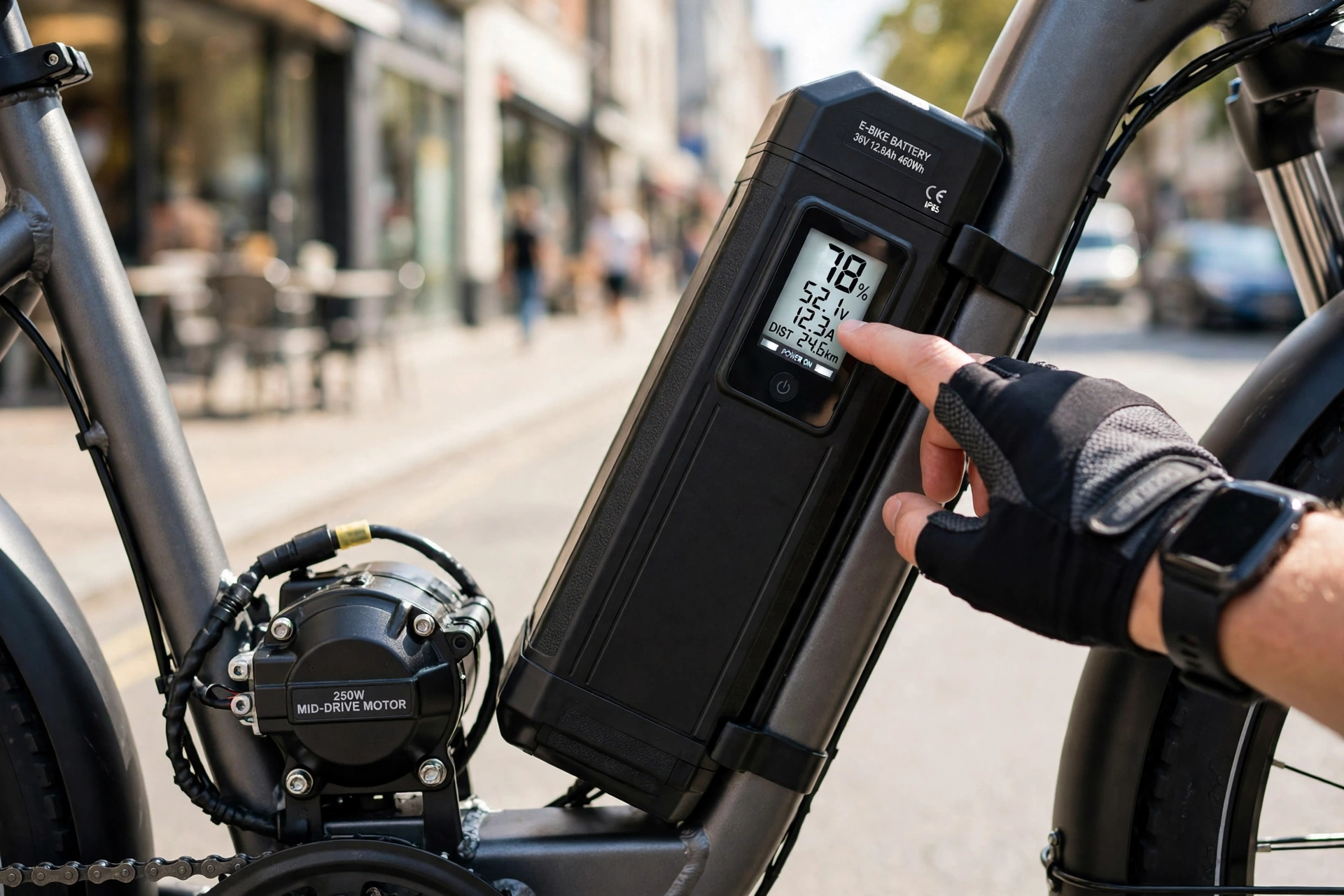
Many policies also cover the battery separately, which matters because a replacement battery is often the single most expensive repair on an e-bike. If you want to know what a new battery would cost you without insurance, read our guide on how much does it cost to replace an e-bike battery.
What Is Not Covered?
E-bike insurance does not cover everything, and the exclusions are worth reading before you buy. Normal wear and tear is never covered, so worn brake pads, a stretched chain, and aging tires are your own cost. Mechanical breakdown from poor maintenance is also excluded, which is why regular servicing matters. Most policies will not pay if the bike was left unlocked or locked with a cable lock that the insurer does not accept, so check the lock requirement in the policy wording.
Racing and commercial use are usually excluded too. If you use your e-bike for food delivery or courier work, you need a commercial policy, because a personal policy will not pay a delivery claim. Cosmetic damage such as scratches is often excluded unless it comes with a covered crash, and some policies exclude damage that happens while the bike is being transported on a car rack unless you add that cover.
What Changes the Price?
Five factors decide what you pay for e-bike insurance.
1. The value of your bike
This is the biggest factor. A $900 entry-level e-bike is cheap to insure because the insurer’s worst case is a $900 payout. A $4,500 cargo bike with a big battery costs far more to replace, so the premium follows the price tag.
2. Where you live and ride
Theft rates vary a lot by city. Riders in New York, San Francisco, Los Angeles, and Chicago usually pay more than riders in smaller towns, because bikes are stolen more often in big cities. Where you park matters too. A bike stored in a locked garage is cheaper to insure than one locked to a street rack overnight.
3. The level of cover
Theft-only cover is the cheapest option. Adding accidental damage raises the price by roughly 30 to 50 percent, and adding liability and roadside assistance raises it a little more. Decide what you actually need before you pay for the top tier.
4. Your deductible
A $100 deductible costs more per year than a $500 deductible. If your bike is worth $1,200, a high deductible may not make sense, because you would pay almost half the bike’s value before the insurer pays anything.
5. Your lock and security
Insurers reward riders who use a strong lock. A Sold Secure rated U-lock or heavy chain can cut your premium, while a cheap cable lock can void a theft claim completely. A GPS tracker and a registered bike serial number also help, and some insurers give a small discount for them. Our guide on how to prevent e-bike theft explains which locks actually stop thieves.
E-Bike Insurance vs Homeowners or Renters Insurance
Many riders ask whether their homeowners or renters policy already covers their e-bike. The honest answer is: sometimes, but usually not well enough. The table below compares the two options.
| Feature | E-bike insurance | Homeowners or renters insurance |
|---|---|---|
| Theft away from home | Yes, covered | Often limited or excluded |
| Crash damage while riding | Yes, covered | Usually not covered |
| Liability while riding | Yes, on most policies | Usually not covered |
| Battery and motor | Covered as part of the bike | Often capped at a low limit |
| Deductible | $100 to $500 | $500 to $1,000 or more |
| Claim effect | No effect on home policy | A claim can raise home premiums |
Homeowners policies often cap e-bike coverage at $1,000 to $1,500, and many exclude Class 3 e-bikes or any e-bike with a motor over 750 watts. They also rarely cover crash damage, which is one of the most common e-bike claims. If your bike is worth more than $1,500, or you ride it daily, a standalone policy is usually the safer choice. Check your home policy wording first, because some insurers do include decent e-bike cover, and there is no point paying twice for the same protection.
Is E-Bike Insurance Worth It?
For most riders, the answer depends on three things: the value of the bike, how you use it, and where you park it. If your e-bike cost under $1,000, you ride it only on weekends, and it lives in a locked garage, insurance is a nice extra rather than a must. A basic theft policy at $75 to $100 a year is still cheap peace of mind, but skipping it is a reasonable choice.
If your e-bike cost $2,000 or more, you commute on it daily, and you lock it outside shops and offices, insurance is usually worth it. One stolen bike would cost you ten years of premiums, and one crash that cracks the frame or damages the motor can cost $500 to $1,500 to repair. Riders in high-theft cities should treat insurance as part of the cost of owning the bike, just like a good lock.
A simple rule helps: if replacing your bike tomorrow would hurt your budget, insure it. If you could buy a replacement without thinking twice, you can probably skip it and put the money toward a better lock instead.
How to Save Money on E-Bike Insurance
You can cut your premium without cutting your cover. First, buy a Sold Secure rated lock and tell the insurer, because many policies discount riders who use approved locks. Second, choose a higher deductible if your bike is expensive enough to absorb it, since a $500 deductible can cut the yearly price by 15 to 25 percent. Third, pay yearly instead of monthly, because most insurers charge a fee for monthly payments.
Fourth, store the bike indoors whenever you can, and mention secure storage in your quote, because garaged bikes are cheaper to insure. Fifth, register your bike’s serial number and add a GPS tracker, since some insurers offer a discount for trackers. Finally, compare at least three quotes, because prices for the same bike can differ by $100 or more between insurers. An electric bicycle is a growing part of American transport, and the insurance market is still settling, so shopping around pays off.
How to File an E-Bike Insurance Claim
Filing a claim is straightforward if you prepare in advance. Keep your purchase receipt, a photo of the bike, and the serial number in a safe place, because the insurer will ask for all three. If the bike is stolen, file a police report first and get the report number, because most insurers require it for theft claims. Then contact your insurer online or by phone, describe what happened, and upload photos of the damage or the police report.
The insurer will usually ask for a repair estimate from a bike shop, so take the bike to a shop that works on e-bikes and get a written quote. For theft claims, the insurer pays the replacement value minus your deductible, and for damage claims it pays the repair cost minus your deductible. Most claims are settled in one to three weeks, and keeping good records is the fastest way to avoid delays.
Frequently Asked Questions
How much does e-bike insurance cost per month?
Most US riders pay $8 to $25 per month, which is $100 to $300 per year. A basic theft-only policy for a cheaper bike can cost under $10 a month, while full cover for a $4,000 bike in a big city can reach $30 to $40 a month.
Do I legally need e-bike insurance in the US?
No. No US state requires insurance for a standard Class 1, 2, or 3 e-bike used for personal riding. Insurance is optional, but it is still worth considering if your bike is expensive or you ride it every day.
Does homeowners insurance cover an e-bike?
Sometimes, but with limits. Many homeowners and renters policies cap e-bike theft cover at $1,000 to $1,500, exclude Class 3 bikes, and do not cover crash damage. Check your policy wording, and consider standalone cover if your bike is worth more than the cap.
What is the best e-bike insurance company?
There is no single best insurer for every rider. Velosurance, Spoke Insurance, Markel, and Sundays Insurance are the best-known specialist providers in the US. Compare at least three quotes for your exact bike and city before you choose, because prices vary a lot.
Does e-bike insurance cover the battery?
Yes, on most full policies the battery is covered as part of the bike, for both theft and accidental damage. Battery failure from age or wear is not covered, and some policies cap battery payouts, so check the limit before you buy.
Final Thoughts
E-bike insurance costs most US riders $100 to $300 a year, which is a small price for a bike that may be worth several thousand dollars. It makes the most sense for expensive bikes, daily commuters, and riders in high-theft cities, and it makes the least sense for cheap bikes that live in a garage. Before you buy, check what your homeowners or renters policy already covers, get three quotes, and read the lock and deductible rules in the small print. A good lock plus the right policy is the best protection your e-bike can have, and it costs far less than replacing the bike.