How to Buy a Used Car in 2026: The Complete Checklist for US Buyers
Buying a used car in 2026 can save you thousands of dollars compared with buying new, but only if you buy the right car. The average used car in the US now sells for around $25,000, and the gap between a great deal and an expensive mistake is often just a few checks that many buyers skip. A rushed purchase can leave you with hidden accident damage, a worn-out transmission, or a title problem that costs more to fix than the car is worth.
This guide walks you through the whole process in order, from setting a budget to signing the paperwork. Follow each step and you will know exactly what the car is worth, what condition it is really in, and what a fair price looks like before you hand over any money.
1. Set Your Real Budget First
Before you look at a single listing, work out what you can actually afford. The sticker price is only part of the cost. A realistic used car budget includes the purchase price, state sales tax, title and registration fees, insurance, a pre-purchase inspection, and a small repair fund for anything the inspection finds.
A good rule is to keep your total monthly car payment below 15 percent of your take-home pay, and to keep the total cost of the car under about 35 percent of your annual income. If you are paying cash, set aside at least $500 to $1,000 for immediate needs such as new tires, fresh fluids, or a battery, because even a good used car usually needs something in the first few months.
Get pre-approved for financing before you shop if you are not paying cash. A pre-approval from your bank or credit union gives you a real interest rate to compare against dealer financing, and it stops a dealer from inflating your rate. Credit unions in the US often offer the lowest used car loan rates, so check one before you accept any dealer offer.
2. Decide What You Need Before You Shop
The fastest way to overpay is to shop without a clear idea of what you need. Write down your must-haves before you browse listings: how many seats you need, how much cargo space matters, whether you need all-wheel drive for snow, and what fuel economy you can live with for your daily commute.
Then research reliability. Some models are known for running past 200,000 miles with basic care, while others develop expensive problems early. Check reliability ratings from Consumer Reports and J.D. Power, and search owner forums for the exact year and model you are considering. A model year with a known transmission or engine problem is worth avoiding, even if the price looks tempting.
Narrow your search to two or three models that fit your budget and your needs. That focus makes price comparisons honest, because you will be comparing similar cars instead of getting distracted by a flashy deal on a model you never researched.
3. Research Prices So You Know a Fair Deal
Never trust a single asking price. Look up the fair market value of the exact year, trim, mileage, and condition on Kelley Blue Book, Edmunds, and NADA Guides, and compare listings in your area for the same car. Prices vary by region, so a car that is a bargain in Texas may be overpriced in California.
Pay attention to how long a listing has been live. A car that has sat unsold for 60 days or more usually has room to negotiate, while a fairly priced car in a popular model may sell within a week. If a price is far below every comparable listing, treat it as a warning sign rather than a lucky find, because it often means hidden damage, a branded title, or a scam listing using stolen photos.
4. Check the Vehicle History Report
Once you find a car you like, get its vehicle history report before you spend money on an inspection. A Carfax or AutoCheck report costs around $25 to $50 for a single report, and it can reveal accident history, title brands such as salvage or flood, odometer rollbacks, open recalls, and service records.
Also run the VIN through the free NHTSA recall lookup to see whether the car has any open safety recalls and whether the fixes were completed. A car with an open recall is not automatically a bad buy, but you should know about it before you sign, and you can get recall repairs done free at a franchised dealer.
Walk away if the seller will not share the VIN, if the VIN on the dashboard does not match the VIN on the door jamb and the title, or if the history report shows a salvage, rebuilt, or flood title that the seller never mentioned. Those are not small details. They affect the value, the insurance, and your safety.
What Buying a Used Car Really Costs (Beyond the Sticker Price)
| Cost item | Typical US price in 2026 |
|---|---|
| Vehicle history report (Carfax or AutoCheck) | $25 to $50 |
| Pre-purchase inspection by an independent mechanic | $100 to $200 |
| State sales tax | 0% to 10%+ of the price, varies by state |
| Title transfer and registration | $50 to $500, varies by state |
| First insurance payment | $100 to $300 per month, varies by driver and car |
| Immediate repairs (tires, fluids, battery) | $200 to $1,000 |
| Extended warranty (optional, dealer cars) | $1,000 to $3,000 |
5. Get a Pre-Purchase Inspection and Never Skip It
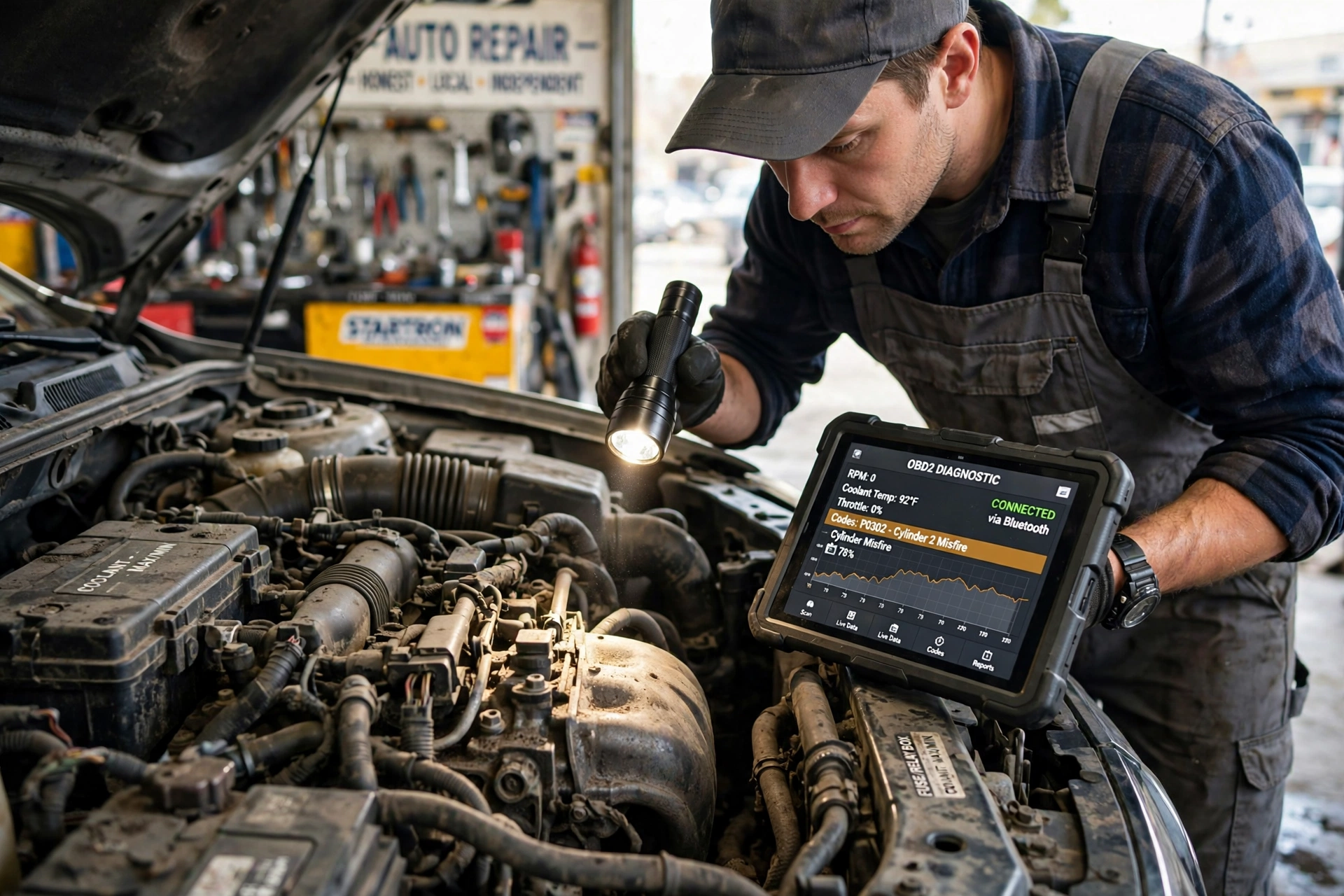
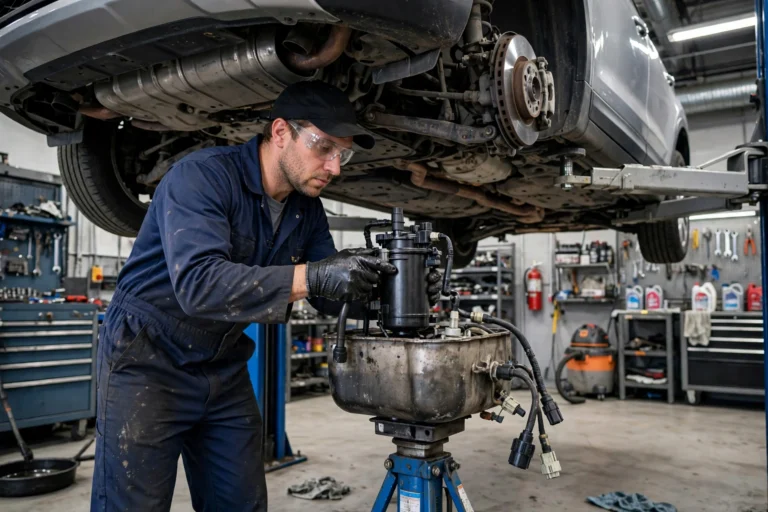
This is the single most important step in the whole process. Hire an independent mechanic, not one recommended by the seller, to inspect the car before you buy it. A pre-purchase inspection usually costs $100 to $200 and takes about an hour, and it covers the engine, transmission, brakes, suspension, tires, exhaust, electrical system, and a scan for stored fault codes.
The inspection report tells you what needs fixing now, what will need fixing soon, and what the repairs will cost. That information is worth far more than the fee, because it either confirms the car is solid or gives you the exact numbers to negotiate with. If the inspection finds a failing transmission or a leaking head gasket, you just saved yourself thousands of dollars by walking away.
A seller who refuses to let you get an independent inspection is telling you everything you need to know. Walk away, no matter how good the car looks or how low the price is.
6. Inspect the Car Yourself First
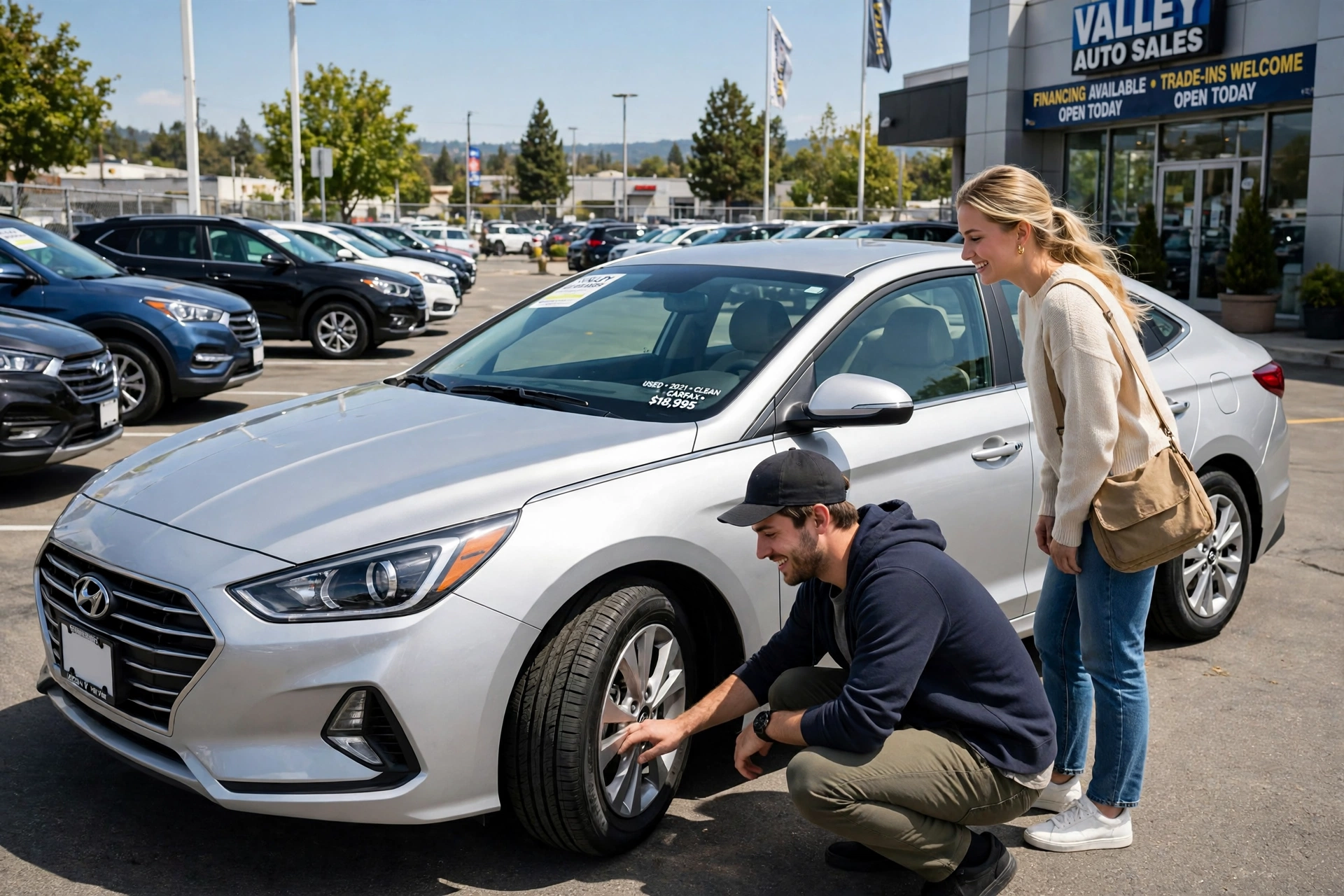
Before you pay for a mechanic, do your own walk-around. Check the tires for uneven wear and mismatched brands, because uneven wear can point to alignment or suspension problems, and replacing a full set of tires is a real expense, so it helps to know how much a tire replacement costs before you agree on a price. Look under the car for rust on the frame, check the oil and transmission fluid on the dipsticks, and look for leaks under the engine.
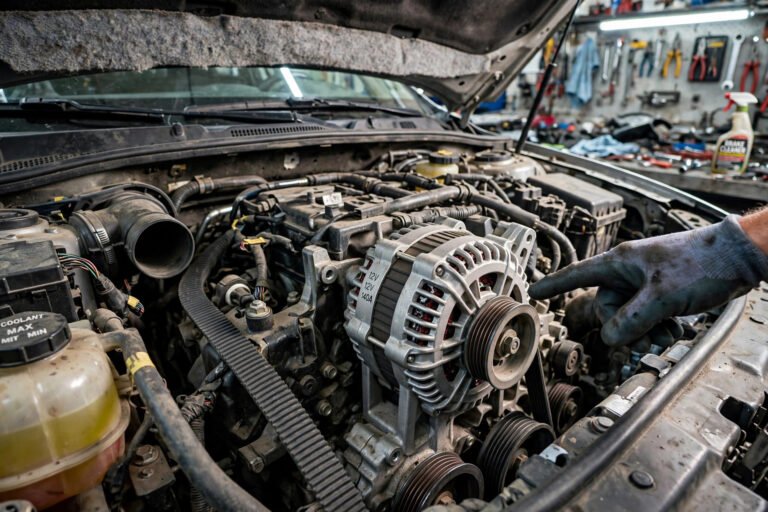
Start the car from cold and listen for rattles, grinding, or smoke from the exhaust. Test every switch: lights, wipers, windows, air conditioning, heater, infotainment, and heated seats. Check that all four tires match and that the spare, jack, and second key are present, because replacing a missing key fob alone can cost $200 or more. Inside, look for water stains, a musty smell, or mismatched carpet, which can signal flood damage.
7. Take a Proper Test Drive
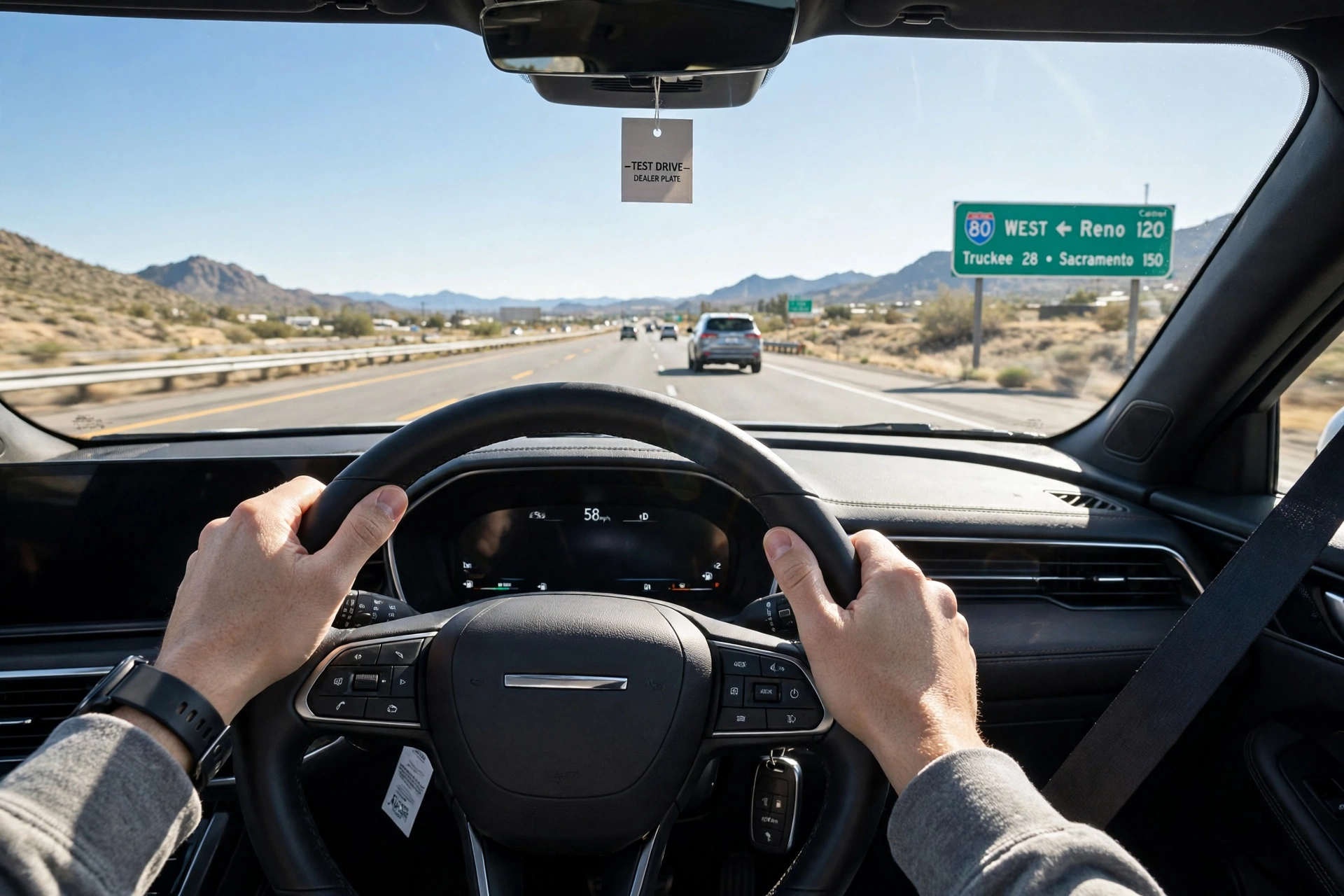
A five-minute loop around the block is not a test drive. Plan for 20 to 30 minutes on a mix of city streets and highway. Drive at low speed first and listen for clunks over bumps, then merge onto a highway and check acceleration, steering, and braking at speed. The car should track straight, brake without pulling to one side, and shift smoothly without jerking or slipping.
Test the car with the air conditioning on full and the heat on full, because AC repairs are expensive and sellers sometimes hide a weak compressor. Park on a clean, dry surface afterward and look underneath for fresh drips. If anything feels off, say so, and use it as a negotiating point or a reason to get the mechanic’s opinion before you proceed.
8. Negotiate the Price With Facts, Not Feelings
Negotiation works best when you have done your research. Start from the fair market value you found in step 3, then subtract the cost of every repair the inspection found. Present those numbers calmly and let the seller respond. Most private sellers expect some negotiation, and many dealers have room to move, especially on cars that have been sitting on the lot for weeks.
Be polite but firm, and always be ready to walk away. The strongest negotiating position is having another car in mind, because a seller who knows you have options is more likely to meet your price. Never let excitement push you past your budget, and never agree to a price on the phone or by text before you have seen and inspected the car in person.
If you are buying from a dealer, watch for add-ons in the finance office: paint protection, fabric coating, nitrogen-filled tires, and overpriced extended warranties can add thousands to the deal. Decline anything you did not ask for, and read every line of the contract before you sign, because verbal promises mean nothing once the paperwork is signed.
9. Handle the Paperwork Carefully
Paperwork is where many used car buyers get into trouble. When you buy from a dealer, the dealer usually handles the title transfer and registration, which is one reason some buyers prefer dealers, and you can find reputable used car dealerships near you by checking reviews and inventory before you visit. When you buy from a private seller, you handle the paperwork yourself, so be extra careful.
Before you pay, check that the name on the title matches the seller’s ID, that there is no lien listed on the title, and that the odometer reading on the title matches the car. Get a signed bill of sale with the price, date, VIN, and both parties’ names. Check your state’s rules for emissions and safety inspections, because some states require them before registration, and make sure your insurance is active before you drive the car home.
Never pay in full before you hold the signed title in your hand. For a private sale, a cashier’s check or a bank transfer at the bank is safer than cash, and meeting at the buyer’s bank lets the bank verify the funds and the title on the spot.
10. Red Flags That Mean Walk Away
Some problems are worth fixing. Others mean you should leave immediately. Walk away if the title is missing, the seller’s name does not match the title, or the seller pressures you to decide today. Walk away if the VIN plates look tampered with, the odometer reading does not match the history report, or the seller refuses an independent inspection.
Other warning signs include fresh undercoating hiding rust, new carpet in an old car, mismatched paint panels, a check engine light that was recently cleared, or a seller who only communicates by text and will not meet in person. A good used car is out there. A bad one is not worth your money at any price.
Frequently Asked Questions
How much should I spend on a used car in 2026?
A sensible target is a car that costs less than 35 percent of your annual income, with a monthly payment under 15 percent of your take-home pay. Keep at least $500 to $1,000 aside for an inspection and immediate repairs, because almost every used car needs something in the first few months.
Is it better to buy a used car from a dealer or a private seller?
Dealers usually cost more, but they handle the title and registration paperwork, and many offer a short warranty or a return window. Private sellers are often cheaper, but you handle all the paperwork yourself and you buy the car as-is, so a pre-purchase inspection matters even more.
How do I check if a used car has been in an accident?
Get a Carfax or AutoCheck report with the VIN, run the VIN through the free NHTSA recall lookup, and get an independent mechanic to inspect the car. Look for mismatched paint, uneven panel gaps, and overspray under the hood, which are all signs of past bodywork.
Should I get a pre-purchase inspection on a cheap used car?
Yes. A $100 to $200 inspection on a $5,000 car can reveal a $2,000 repair, which changes the whole deal. The cheaper the car, the more likely it is hiding a problem, so the inspection is worth even more on a low-priced car.
What paperwork do I need when buying a used car?
You need the signed title in the seller’s name with no lien, a bill of sale showing the price, date, VIN, and both parties’ names, and your state’s registration and emissions or safety inspection forms. Bring your ID and proof of insurance, and never pay in full before you hold the signed title.
Final Thoughts
Buying a used car in 2026 is a process, not a single decision. Set your budget, research your models, check the history, inspect the car, test drive it properly, negotiate with facts, and handle the paperwork carefully. Each step takes a little time, but together they protect you from the most common and most expensive mistakes.
The right used car is out there, and it is worth the patience to find it. Take your time, trust the inspection over the sales pitch, and drive home a car you can rely on for years.
Before you list your car, check how much does car detailing cost so you can present it at its best.
Once you have bought the car, find out how much does car insurance cost in 2026 so you can budget for coverage before you drive it home.