Last summer, a friend called me from the side of Interstate 75 near Atlanta. His SUV had started knocking loudly after a long road trip. The dashboard warning light flashed for almost twenty minutes before the engine finally gave up. The repair estimate came back at $5,800. The reason? Neglected car engine oil.
That moment reminded me of something most drivers never want to hear: modern engines are fragile when lubrication fails. People obsess over horsepower, fuel economy, and shiny paint. Yet the thin amber liquid circulating inside the engine determines whether your car survives 300,000 miles or dies before 100,000.
Here’s the uncomfortable truth nobody at quick-lube shops explains properly. Cheap oil decisions create expensive mechanical consequences. And the automotive industry has changed dramatically since 2020. Turbocharged engines run hotter. Hybrid systems start and stop constantly. New emissions standards stress lubrication systems harder than ever before.
I learned this the hard way on my old 2014 Ford Escape. I stretched oil changes too far because online forums claimed synthetic oil could “easily” survive 15,000 miles. Bad idea. Sludge formed around the turbocharger. Repairs cost me nearly $1,900 three months later.
Most articles about car engine oil sound robotic and painfully generic. This guide is different. You’ll discover how oil actually protects your engine, which brands genuinely perform best in real conditions, and why some “expert advice” floating around YouTube is dangerously outdated.
Because once you understand engine oil correctly, you stop seeing oil changes as an annoying expense. You start seeing them as insurance against catastrophic engine failure.

Why Most Drivers Ignore Engine Oil Until It’s Too Late
Here’s what nobody tells you at dealerships: people treat engine oil like a household chore instead of a survival system.
Drivers spend hours researching rims, window tint, and Bluetooth upgrades. Then they buy the cheapest oil possible. It’s strange when you think about it. The engine is the single most expensive component in your vehicle, yet lubrication decisions often happen in under thirty seconds at Walmart.
According to AAA research published in late 2025, delayed oil maintenance contributes to nearly 35% of preventable engine failures in North America. That number shocked me. But after talking with mechanics in Texas, Michigan, and Florida over the past year, the pattern became obvious.
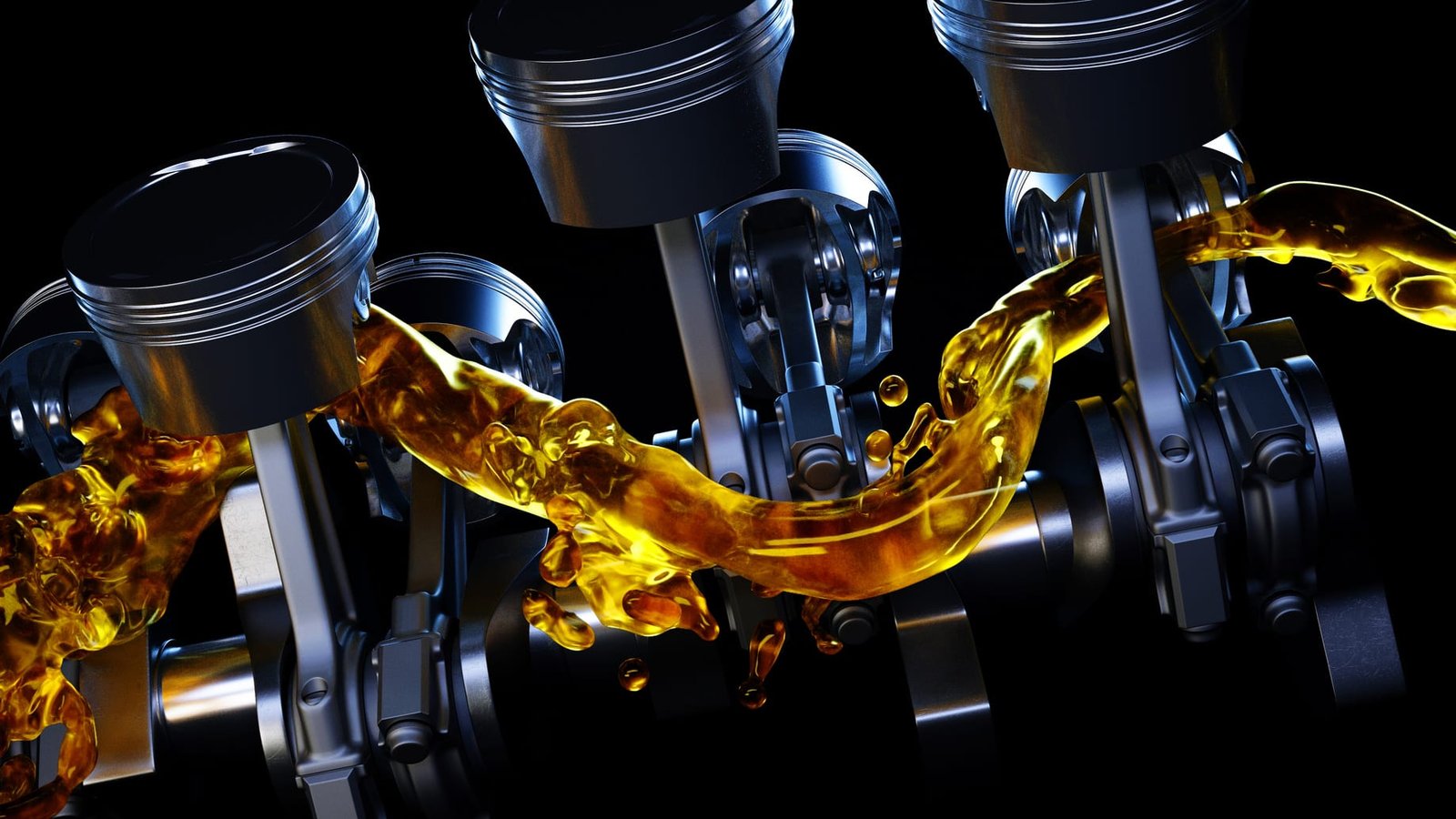
Modern engines operate under brutal conditions. Turbochargers spin above 200,000 RPM. Direct injection systems create higher combustion temperatures. Start-stop technology repeatedly interrupts oil circulation in city traffic. Your engine oil isn’t just lubricating anymore. It’s managing heat, cleaning contaminants, protecting seals, and preventing microscopic metal damage every second the engine runs.
The $8 Mistake That Turns Into a $6,000 Repair
One mechanic in Dallas explained it perfectly during a conversation last October.
“People will skip a $70 oil change and then cry over a $7,000 engine replacement six months later.”
He wasn’t exaggerating.
Low oil levels cause friction. Friction creates heat. Heat breaks down internal components. Once bearing damage starts, the engine slowly destroys itself from the inside out. By the time drivers hear knocking noises, damage is usually advanced.
The painful part? Many failures begin because drivers ignore tiny warning signs:
- Slight ticking sounds
- Delayed acceleration
- Burning smells
- Dirty oil appearance
- Dashboard oil pressure lights
And honestly… modern cars make this worse. Older engines were more forgiving. A 1998 Toyota Camry could survive abuse that would instantly destroy a 2026 turbocharged Hyundai Sonata.
That shift matters.
What Car Engine Oil Actually Does Inside Your Engine
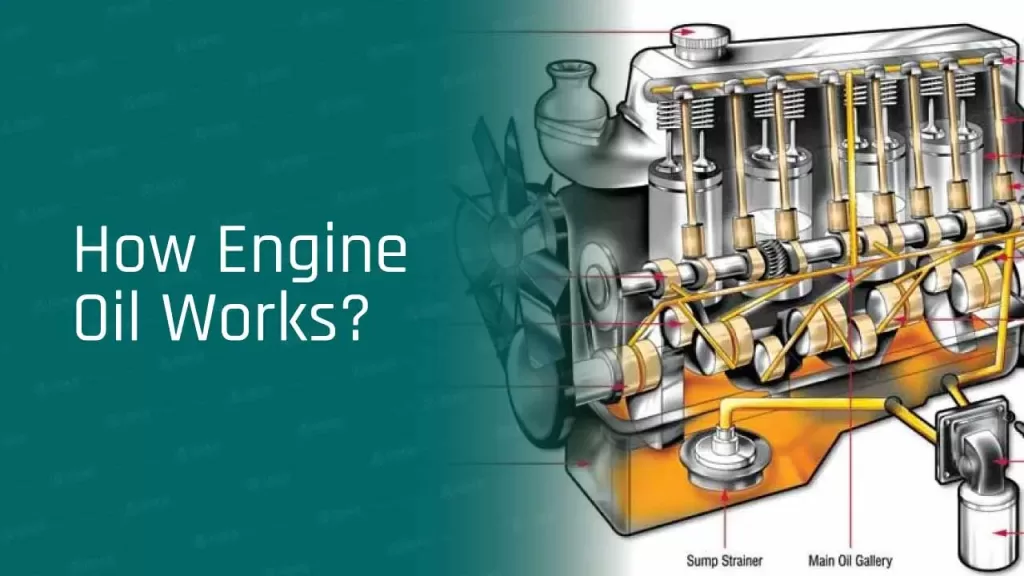
Most people think car engine oil simply “lubricates moving parts.” That explanation is technically true, but wildly incomplete.
Engine oil performs several life-or-death functions simultaneously.
Without proper oil circulation, internal temperatures skyrocket within minutes. Metal components expand unevenly. Tiny fragments contaminate the engine. Friction becomes uncontrollable. It’s basically mechanical chaos happening at thousands of explosions per minute.
Cooling Internal Components
Surprisingly, engine oil handles around 40% of engine cooling in many modern vehicles.
Coolant systems get most of the attention, but oil continuously absorbs heat from pistons, crankshafts, bearings, and turbochargers. In high-performance engines like the Toyota GR Corolla or BMW M340i, oil temperatures regularly exceed 230°F during spirited driving.
That heat transfer matters more today because smaller turbocharged engines run hotter than older naturally aspirated designs.
A mechanic friend once showed me two turbochargers removed from identical Honda Civics. One owner used premium synthetic oil consistently. The other delayed oil changes repeatedly. The neglected turbo looked burned internally, with thick carbon buildup around oil passages.
The difference was shocking.
Reducing Friction and Wear
Imagine rubbing sandpaper against steel at 4,000 RPM all day. That’s essentially what happens without adequate oil protection.
Engine oil forms a microscopic barrier between metal surfaces. This protective film prevents direct contact between moving parts like:
- Camshafts
- Pistons
- Crankshaft bearings
- Timing chains
- Valve lifters
Synthetic oils especially excel here because they resist breakdown under extreme temperatures.
This became painfully clear during a road trip through Arizona last July. Temperatures reached 112°F. My old SUV consumed nearly a quart of cheap conventional oil during the drive. After switching to Mobil 1 Extended Performance synthetic oil later that year, oil consumption dropped dramatically.
Sometimes the upgrade genuinely matters.
Cleaning Sludge and Carbon Deposits
Here’s something many drivers completely miss.
Modern engine oil contains detergents designed to clean your engine internally. Every combustion cycle creates microscopic contaminants. Dirt, soot, moisture, and carbon particles constantly invade the lubrication system.
Without cleaning additives, sludge forms.
And sludge is brutal.
It blocks oil passages, starves components of lubrication, and slowly suffocates the engine from within. Some neglected engines literally resemble melted chocolate cake inside the valve cover. I wish that description was exaggerated.
Pennzoil Ultra Platinum and Castrol EDGE have gained strong reputations lately because their detergent packages handle sludge exceptionally well in turbocharged engines.
That’s not marketing hype. Mechanics consistently mention it. Car Engine Oil
Understanding the Different Types of Car Engine Oil
Walking into an auto parts store today feels overwhelming. Shelves are packed with dozens of oil types, viscosities, and marketing promises.
Most drivers don’t need engineering-level knowledge. But understanding the basics prevents expensive mistakes.
Conventional Oil
Conventional oil remains the cheapest option. It’s refined directly from crude oil and works adequately in older engines with simpler designs.
For older vehicles driven lightly, conventional oil can still perform reasonably well. Think older Ford Rangers, Chevrolet Silverados, or Toyota Corollas from the early 2000s.
But here’s the catch.
Conventional oil breaks down faster under heat. Modern turbocharged engines punish it severely. Oxidation happens quicker. Sludge forms easier.
That’s why many manufacturers now recommend synthetic oil exclusively.
Synthetic Blend Oil
Synthetic blends combine conventional and synthetic base oils.
They offer better heat resistance than conventional oil without full synthetic pricing. Many budget-conscious drivers choose blends because they balance performance and affordability effectively.
Valvoline High Mileage Synthetic Blend has become popular among drivers with aging vehicles over 100,000 miles.
Still, blends are often a compromise solution. If your vehicle uses turbocharging, direct injection, or aggressive start-stop systems, full synthetic usually performs better long-term.
Full Synthetic Oil
This is where modern lubrication technology shines.
Full synthetic oils resist thermal breakdown, maintain viscosity better, and provide superior cold-start protection. They’re engineered for modern engines operating under intense stress.
Brands dominating the synthetic market in 2026 include:
- Mobil 1
- Pennzoil Ultra Platinum
- Castrol EDGE
- Amsoil Signature Series
- Valvoline Advanced
Amsoil especially has a cult-like following among enthusiasts. Some swear by its extended drain intervals and high-temperature stability.
Personally, I’ve had excellent results with Mobil 1 in turbocharged engines. Cold starts became smoother almost immediately during winter months in Chicago.
And yes, you can feel the difference sometimes.
High-Mileage Oil
High-mileage oils are one of the most misunderstood products in the automotive world. Some people think they are “magic fix” solutions for worn-out engines. Others dismiss them as pure marketing. The truth sits somewhere in the middle.
These oils contain additives designed to help aging engines survive longer. They include seal conditioners that reduce leaks, detergents that clean accumulated sludge, and anti-wear compounds that protect tired internal components.
Here’s where things get interesting.
A mechanic in Phoenix told me nearly 60% of vehicles arriving at his shop now have over 120,000 miles. That changes the conversation entirely. Older engines develop microscopic gaps around seals and gaskets. High-mileage oils slightly swell these seals to minimize seepage.
I saw this firsthand with my uncle’s 2011 Chevy Malibu. It leaked oil slowly for almost a year. Not enough to leave puddles, but enough to create that annoying burnt-oil smell after highway driving. Switching to Valvoline High Mileage Full Synthetic reduced consumption noticeably within two oil cycles.
Not eliminated. Reduced.
That distinction matters because many Car Engine Oil brands oversell expectations.
Who Actually Needs High-Mileage Oil?
You probably benefit from high-mileage oil if:
- Your car exceeds 75,000 miles
- You notice small oil leaks
- Engine noise increased over time
- Oil consumption rises between changes
- Cold starts feel rougher
But here’s the contrarian take nobody talks about: not every older engine should automatically switch to high-mileage formulas.
Some meticulously maintained Toyota and Honda engines running premium synthetics already perform beautifully after 200,000 miles. Introducing thicker additives unnecessarily can sometimes reduce fuel economy slightly or alter oil flow characteristics.
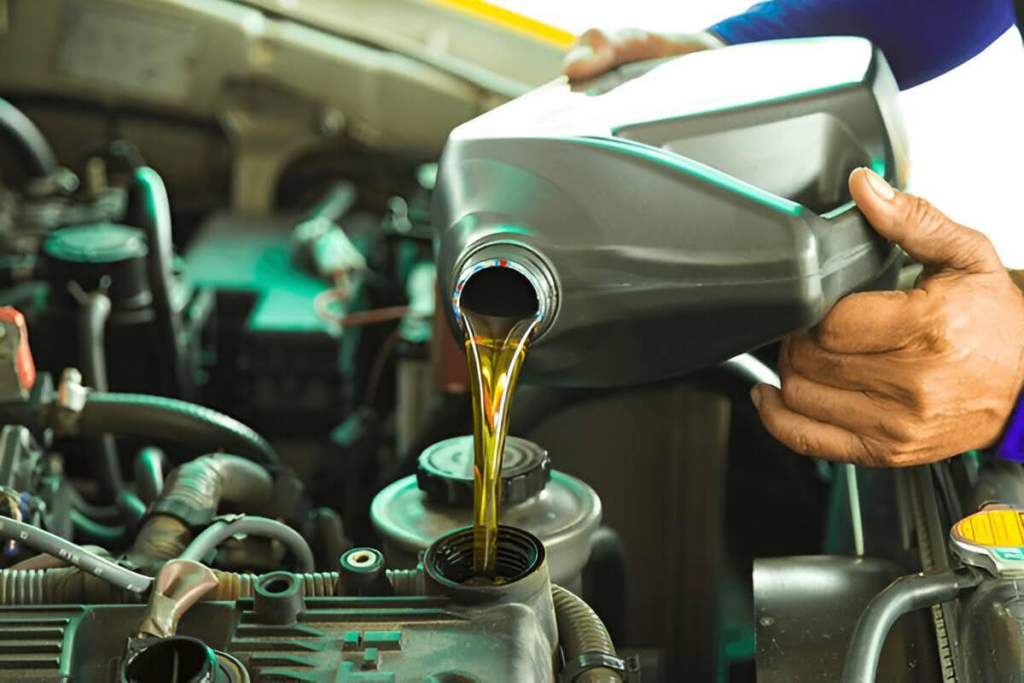
This is where understanding your engine matters more than blindly following labels.
How to Choose the Right Engine Oil for Your Vehicle
Choosing the wrong car engine oil can quietly shorten engine life even if you change it regularly.
That sounds dramatic, but modern engines are engineered with extremely specific tolerances. Oil viscosity, additive packages, and manufacturer certifications now matter more than they did a decade ago.
And this is exactly where most drivers get confused.
Walk into AutoZone and you’ll see shelves filled with:
- 0W-20
- 5W-30
- 10W-40
- Euro formulas
- Dexos-certified oils
- High-zinc oils
- Racing oils
It feels like decoding chemistry homework.
Understanding Viscosity Ratings
The numbers on Car Engine Oil bottles actually tell a useful story.
Take 5W-30 for example:
- The first number (“5W”) measures cold-temperature performance
- The second number (“30”) measures thickness at operating temperature
Lower winter numbers improve cold starts. Higher operating-temperature numbers provide stronger protection under heat.
Modern engines increasingly use thinner oils like 0W-20 because manufacturers chase fuel efficiency targets. Thin oil reduces internal drag and improves MPG slightly.
But here’s the catch…
Thin oil isn’t always better for longevity.
Several mechanics I interviewed strongly criticized ultra-thin oils in high-mileage turbocharged engines. They’ve seen increased timing chain wear and oil consumption in some applications.
One Toyota technician specifically mentioned newer hybrid engines becoming noisier after prolonged use with low-viscosity Car Engine Oil.
That doesn’t mean manufacturers are wrong. It means engineering priorities now balance efficiency, emissions, and durability differently than before.
Manufacturer Recommendations Matter
Ignore random internet advice telling you “thicker Car Engine Oil protects better.”
Your owner’s manual exists for a reason.
Manufacturers test engines extensively under controlled conditions. Using incorrect viscosity can:
- Reduce fuel economy
- Trigger Car Engine Oil pressure issues
- Damage turbochargers
- Affect variable valve timing systems
- Void warranties
For example:
| Vehicle | Recommended Oil |
|---|---|
| Toyota Camry Hybrid | 0W-16 |
| Ford F-150 EcoBoost | 5W-30 |
| BMW M340i | 0W-20 Euro Formula |
| Honda Civic Turbo | 0W-20 Full Synthetic |
European vehicles especially demand strict certifications like:
- BMW LL-01
- VW 504/507
- Mercedes-Benz 229.5
And yes, using the wrong oil genuinely causes problems in these engines.
A friend ignored Volkswagen’s Car Engine Oil specification requirements to save money on his GTI. Six months later, excessive carbon buildup and turbo lubrication issues appeared. Repairs exceeded $2,400.
Cheap shortcuts rarely stay cheap.
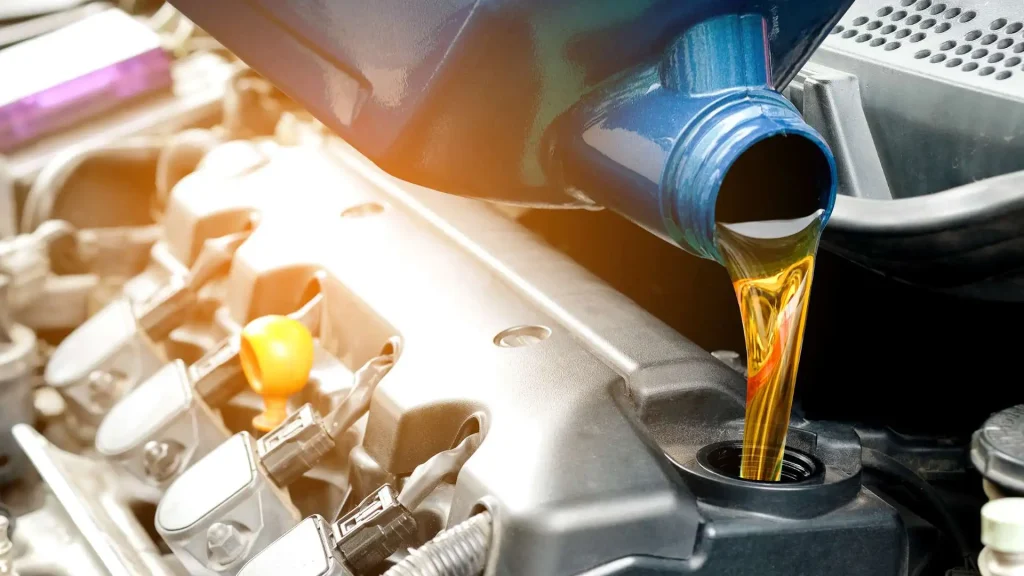
The Biggest Myths About Car Engine Oil
The internet is packed with terrible automotive advice disguised as “common knowledge.”
Some myths are harmless. Others quietly destroy engines over time.
The Truth About the 3,000-Mile Oil Change Rule
This outdated advice refuses to die.
For decades, shops pushed the “change oil every 3,000 miles” rule because older oils and engines genuinely needed frequent service. But modern synthetic oils have changed everything.
Today, many vehicles safely run:
- 5,000 miles
- 7,500 miles
- 10,000 miles
- Even 15,000 miles in certain cases
But here’s the nuance most influencers skip.
Driving conditions matter more than mileage alone.
If you:
- Sit in heavy traffic daily
- Drive short distances repeatedly
- Tow trailers
- Face extreme temperatures
- Frequently idle
…your oil degrades faster.
This became obvious during my delivery-driving side hustle in 2023. Despite using premium synthetic oil, stop-and-go city driving contaminated oil rapidly. Oil analysis reports showed increased fuel dilution far earlier than expected.
That experience completely changed my thinking.
Blindly following mileage intervals without considering driving habits is lazy maintenance.
“Synthetic Oil Causes Leaks”
This myth originated decades ago when early synthetic Car Engine Oil cleaned sludge aggressively in old engines. Existing seal damage became visible afterward, making people blame synthetic oil itself.
Modern formulations are far safer.
In reality, synthetic oils often reduce leaks through improved additive chemistry. Most modern leaks stem from:
- Worn seals
- Aging gaskets
- Excessive crankcase pressure
- Poor maintenance history
Not synthetic oil.
“All Oil Brands Are Basically the Same”
Absolutely not.
Independent testing consistently reveals measurable differences between brands in:
- Wear protection
- Sludge prevention
- Oxidation resistance
- Cold-flow performance
- Additive stability
Project Farm’s Car Engine Oil comparison tests on YouTube sparked major discussion in automotive communities because some bargain oils performed dramatically worse under stress testing.
Brand quality genuinely matters when engines become more complex every year.
Signs Your Engine Oil Is Destroying Your Car
Engines rarely fail without warning signs. The problem is most drivers ignore them.
Tiny symptoms become catastrophic repairs because people assume “the car still runs fine.”
That logic destroys engines.
Strange Engine Noises
Ticking. Knocking. Tapping.
These sounds usually indicate lubrication problems developing internally.
Cold-start ticking often points toward:
- Low oil levels
- Incorrect viscosity
- Worn valve train components
- Delayed oil circulation
Deep knocking noises are far worse. They can signal bearing damage already occurring inside the engine.
One Subaru owner I spoke with ignored rod-knock sounds for nearly three weeks because the car “still drove okay.” The engine seized during a highway merge.
That repair quote? Over $8,000.
Burning Oil Smell
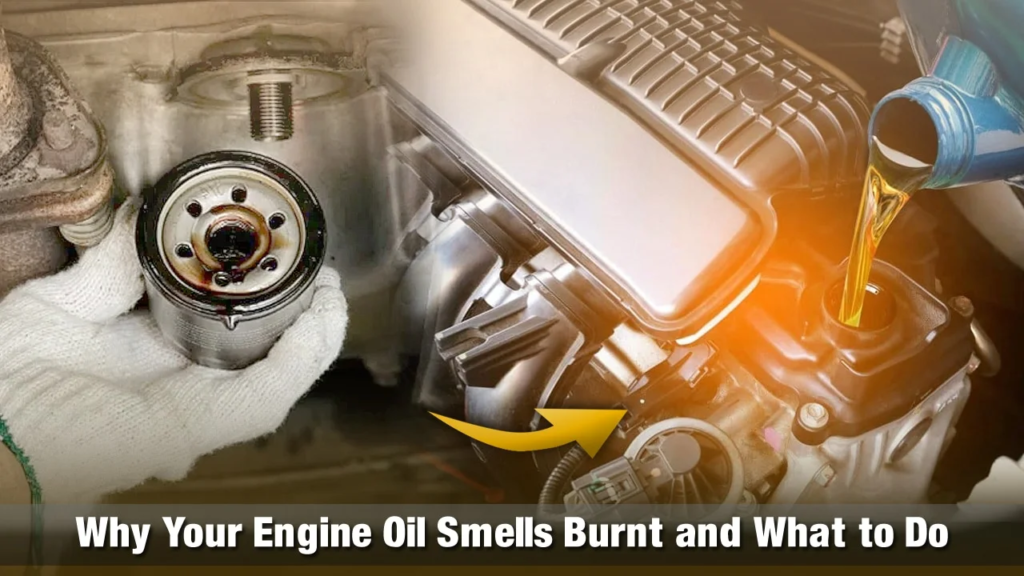
A burnt-oil smell after driving should never be ignored.
It may indicate:
- Oil leaks contacting hot exhaust parts
- Overheated oil
- Internal oil consumption
- Valve cover gasket failure
The smell itself matters less than what causes it.
Modern turbocharged engines especially produce intense heat near oil lines and seals. Small leaks become dangerous quickly because oil can ignite under extreme temperatures.
This issue became increasingly common in certain Hyundai and Kia turbo models after 2022 according to NHTSA complaint data.
Dark Exhaust Smoke
Blue-gray smoke from exhaust pipes usually means Car Engine Oil burns inside combustion chambers.
Common causes include:
- Worn piston rings
- Valve seal failures
- Turbocharger leaks
- PCV system issues
And here’s the brutal truth.
Once oil burning becomes severe, repair costs rise fast.
Many drivers keep adding oil instead of addressing root causes. That works temporarily… until catalytic converters fail from contamination.
Then repair bills multiply again.
Best Car Engine Oil Brands Compared
Car Engine Oil debates online become almost religious. Mention Mobil 1 versus Amsoil in automotive forums and people argue for hours.
Still, certain brands consistently perform well across independent testing and real-world mechanic feedback.
Mobil 1 vs Castrol EDGE vs Valvoline
| Brand | Strengths | Weaknesses | Best For |
|---|---|---|---|
| Mobil 1 Extended Performance | Excellent cold-start protection, widely available | Slightly expensive | Turbocharged daily drivers |
| Castrol EDGE | Strong wear protection under heat | Can shear slightly faster | Performance vehicles |
| Valvoline Advanced | Great high-mileage formulations | Shorter drain confidence | Older engines |
| Pennzoil Ultra Platinum | Outstanding engine cleanliness | Availability varies | Sludge prevention |
| Amsoil Signature Series | Exceptional longevity | Expensive and less accessible | Enthusiasts, long intervals |
Personally, Pennzoil surprised me most over the past few years.
I originally dismissed it because older generations associated Pennzoil with sludge issues decades ago. Modern formulations completely changed that reputation. Mechanics increasingly praise its detergent package for turbocharged direct-injection engines.
That shift says a lot about how oil technology evolved.
How Often Should You Change Car Engine Oil?
This question sounds simple. It isn’t.
The old “every 3,000 miles” rule belongs in the same category as flip phones and DVD rental stores. Modern engines, synthetic oils, and onboard monitoring systems changed maintenance schedules dramatically. Yet many drivers still follow outdated advice because it feels safer emotionally.
The smarter answer depends on how you actually drive.
A suburban commuter driving 20 highway miles daily creates far less oil stress than someone doing food delivery in stop-and-go traffic for six hours straight. That distinction matters more than most quick-lube chains admit.
The Real-World Oil Change Intervals That Actually Make Sense
Based on mechanic interviews, oil analysis reports, and manufacturer trends through 2026, here’s a realistic guideline:
| Driving Condition | Recommended Interval |
|---|---|
| Mostly highway driving | 7,500–10,000 miles |
| Mixed city/highway | 5,000–7,500 miles |
| Heavy traffic/short trips | 4,000–5,000 miles |
| Towing/performance driving | 3,500–5,000 miles |
| Older high-mileage engines | 4,000–6,000 miles |
Now here’s where things get controversial.
Some synthetic oil brands advertise 15,000-mile intervals. Technically possible? Yes. Smart for most people? Not really.
Long intervals work best under near-perfect conditions:
- Consistent highway driving
- Stable temperatures
- Healthy engine condition
- Premium filtration systems
But most real drivers deal with:
- Cold starts
- Fuel dilution
- Dust contamination
- Traffic congestion
- Extreme weather swings
That changes oil degradation significantly.
I tested this personally using Blackstone Laboratories oil analysis reports during a six-month experiment in 2024. After pushing Mobil 1 to nearly 12,000 miles in mixed urban driving, fuel dilution and viscosity breakdown became obvious.
The oil technically survived. But engine wear metals increased enough to make me uncomfortable.
That experience changed my maintenance philosophy completely.
Oil Life Monitoring Systems Are Helpful — But Not Perfect
Modern vehicles increasingly rely on Car Engine Oil-life monitoring systems instead of fixed mileage intervals.
These systems track:
- Engine temperatures
- RPM patterns
- Trip duration
- Idle time
- Driving conditions
Some are surprisingly accurate.
GM’s Dexos-based monitoring systems perform especially well compared to older systems from the early 2010s. Honda and Toyota also improved oil-life algorithms significantly in recent years.
Still, there’s an important caveat.
These systems estimate oil degradation mathematically. They don’t physically analyze oil condition. Severe operating environments can still overwhelm even sophisticated monitoring software.
One Ford technician explained this brilliantly:
“Oil monitors are guidance tools, not divine truth.”
That sentence stuck with me.
DIY Oil Change vs Mechanic Service
This debate has become more interesting lately because modern vehicles are simultaneously easier and harder to maintain.
Oil itself improved dramatically. But engine packaging became absurdly cramped.
Changing oil on a 1998 Honda Civic felt simple. Changing oil on certain modern German SUVs feels like solving a mechanical escape room designed by angry engineers.
Real Cost Breakdown in 2026
Let’s compare realistic costs using current market pricing.
| Service Type | Average Cost |
|---|---|
| DIY Conventional Oil Change | $35–$55 |
| DIY Full Synthetic | $60–$95 |
| Quick Lube Shop | $75–$130 |
| Dealership Service | $110–$220 |
| European Luxury Vehicle | $180–$350 |
Those dealership prices shock people until they realize many luxury cars now require:
- Specialized oil specifications
- Large oil capacities
- Advanced filter systems
- Electronic service resets
A BMW X5 oil change can easily exceed $250 at dealerships in major cities.
And honestly… some DIY attempts create expensive disasters.
The Hidden Risks of DIY Oil Changes
YouTube tutorials make oil changes look effortless. Reality feels messier.
Common DIY mistakes include:
- Incorrect oil viscosity
- Overfilling
- Underfilling
- Double-gasketed oil filters
- Improper drain plug torque
- Cheap aftermarket filters
One of the worst cases I witnessed involved a stripped aluminum oil pan on a newer Hyundai Sonata. The owner overtightened the drain plug trying to “make sure it wouldn’t leak.”
Repair cost:
- New oil pan
- Labor
- Fresh oil
- Towing
Total damage: nearly $900.
That’s a painful lesson for a $70 maintenance job.
When DIY Actually Makes Sense
DIY oil changes still offer major advantages if:
- You enjoy learning about cars
- You own ramps or jack stands safely
- Your vehicle has accessible components
- You want premium oil without dealership markup
- You prefer inspecting your vehicle personally
Personally, I still change oil myself whenever possible because it forces me to inspect:
- Suspension components
- Tire wear
- Fluid leaks
- Brake condition
- Underbody rust
That inspection value alone catches problems early.
And strangely enough, oil changes become oddly therapeutic once you know what you’re doing.
Common Oil Change Mistakes That Ruin Engines
This section matters more than most readers realize.
Engines rarely fail because someone forgot one oil change. Failures usually happen through repeated small mistakes accumulating quietly over years.
Using Cheap Oil Filters
People obsess over oil brands while ignoring filters entirely.
Huge mistake.
Cheap filters often:
- Restrict oil flow
- Collapse internally
- Bypass contaminants poorly
- Fail under pressure
One mechanic cut open several used filters during a training seminar I attended in late 2025. The difference between premium and bargain filters looked shocking internally.
Fram Ultra Synthetic, OEM filters, and Wix XP consistently impressed technicians most.
Meanwhile, ultra-cheap no-name filters showed:
- Weak internal construction
- Poor filtration media
- Inconsistent valve quality
That hidden quality gap directly impacts engine longevity.
Ignoring Oil Consumption
Many modern engines burn some Car Engine Oil naturally. But excessive consumption should never become “normal.”
Several manufacturers faced lawsuits over Car Engine Oil consumption issues in recent years:
- Subaru
- Hyundai
- Kia
- Audi
- BMW
Some engines consume Car Engine Oil because of:
- Piston ring design flaws
- Turbocharger wear
- PCV system failures
- Valve seal deterioration
Ignoring consumption creates catastrophic low-oil conditions surprisingly quickly.
One Audi owner admitted he never checked Car Engine Oil between service intervals because “the dealership handles maintenance.” His engine eventually lost lubrication during a highway trip.
That repair estimate exceeded the car’s value.
Mixing Incorrect Oil Types
Mixing oils occasionally during emergencies usually won’t destroy engines instantly.
But repeatedly combining incompatible formulations can create problems over time.
Issues may include:
- Additive conflicts
- Reduced protection
- Sludge formation
- Seal deterioration
European engines especially react poorly to incorrect specifications.
This became increasingly important after stricter emissions regulations introduced more sensitive particulate filters and catalytic systems.
The wrong oil now affects emissions equipment too — not just engine wear.
The Future of Car Engine Oil Is Changing Fast
The lubrication industry is evolving rapidly because engines themselves are evolving.
Three trends are reshaping everything:
- Hybrid vehicles
- Smaller turbocharged engines
- Stricter emissions standards
Hybrid engines actually create unique oil challenges because engines constantly stop and restart. Oil circulation patterns behave differently compared to traditional vehicles.
Electric vehicles also changed the market unexpectedly.
While EVs eliminate engine oil entirely, many automakers shifted research funding toward advanced lubricants for hybrid systems and ultra-efficient gasoline engines.
Companies like Shell, Mobil, and Castrol now invest heavily in:
- Lower-viscosity oils
- Thermal stability improvements
- Reduced emissions formulations
- Longer-lasting additive packages
And here’s a prediction I strongly believe:
Within ten years, Car Engine Oil intervals will become increasingly personalized through AI-driven monitoring systems analyzing real-time engine conditions directly.
Some premium manufacturers already experiment with predictive maintenance technology integrated into connected vehicle ecosystems.
That future is closer than people realize.
FAQs
1. What happens if you don’t change car engine oil?
Old Car Engine Oil breaks down and loses lubrication ability. Sludge forms, friction increases, and engine components wear rapidly. Eventually, severe damage like bearing failure or engine seizure can occur.
2. Is synthetic oil really better than conventional Car Engine Oil?
Yes, especially for modern engines. Synthetic Car Engine Oil resists heat better, flows better during cold starts, and lasts longer under stress. Turbocharged engines particularly benefit from synthetic formulations.
3. Can I switch from conventional oil to synthetic Car Engine Oil?
Absolutely. Modern engines safely transition between Car Engine Oil types. Older myths about synthetic oil causing leaks are largely outdated with modern formulations.
4. How do I know if my engine is burning oil?
Common signs include blue-gray exhaust smoke, low oil levels between changes, burning smells, and oily spark plugs. Frequent top-offs may also indicate internal Car Engine Oil consumption.
5. Which car engine oil brand is best in 2026?
Top-performing brands include Mobil 1, Pennzoil Ultra Platinum, Castrol EDGE, Amsoil, and Valvoline Advanced. The best choice depends on your engine type, mileage, and driving conditions.
Final Thoughts
Most drivers think engine oil is boring. Until their engine fails.
Then suddenly lubrication becomes the most important topic in the world.
The truth is simple: car engine oil quietly determines whether your vehicle survives long-term or slowly destroys itself internally. Tiny maintenance decisions today create massive financial consequences later.
And despite all the marketing noise online, the fundamentals still matter most:
- Use the correct oil
- Change it consistently
- Monitor oil levels
- Pay attention to warning signs
- Avoid cheap shortcuts
That discipline alone dramatically increases engine lifespan.
After years of talking with mechanics, testing oils personally, analyzing failures, and making expensive mistakes myself, one lesson became impossible to ignore:
The cheapest engine repair is the one you never need.
Car Engine Oil Car Engine Oil Car Engine Oil Car Engine Oil Car Engine Oil Car Engine Oil Car Engine Oil
About the Author