Introduction
Have you ever looked at your car and thought, “I can wash this myself instead of paying every week?” Many drivers feel the same way. A dirty car not only looks bad but can also damage the paint over time. Dust, bird droppings, road salt, and tree sap slowly wear down the protective finish if they stay on the surface for too long.
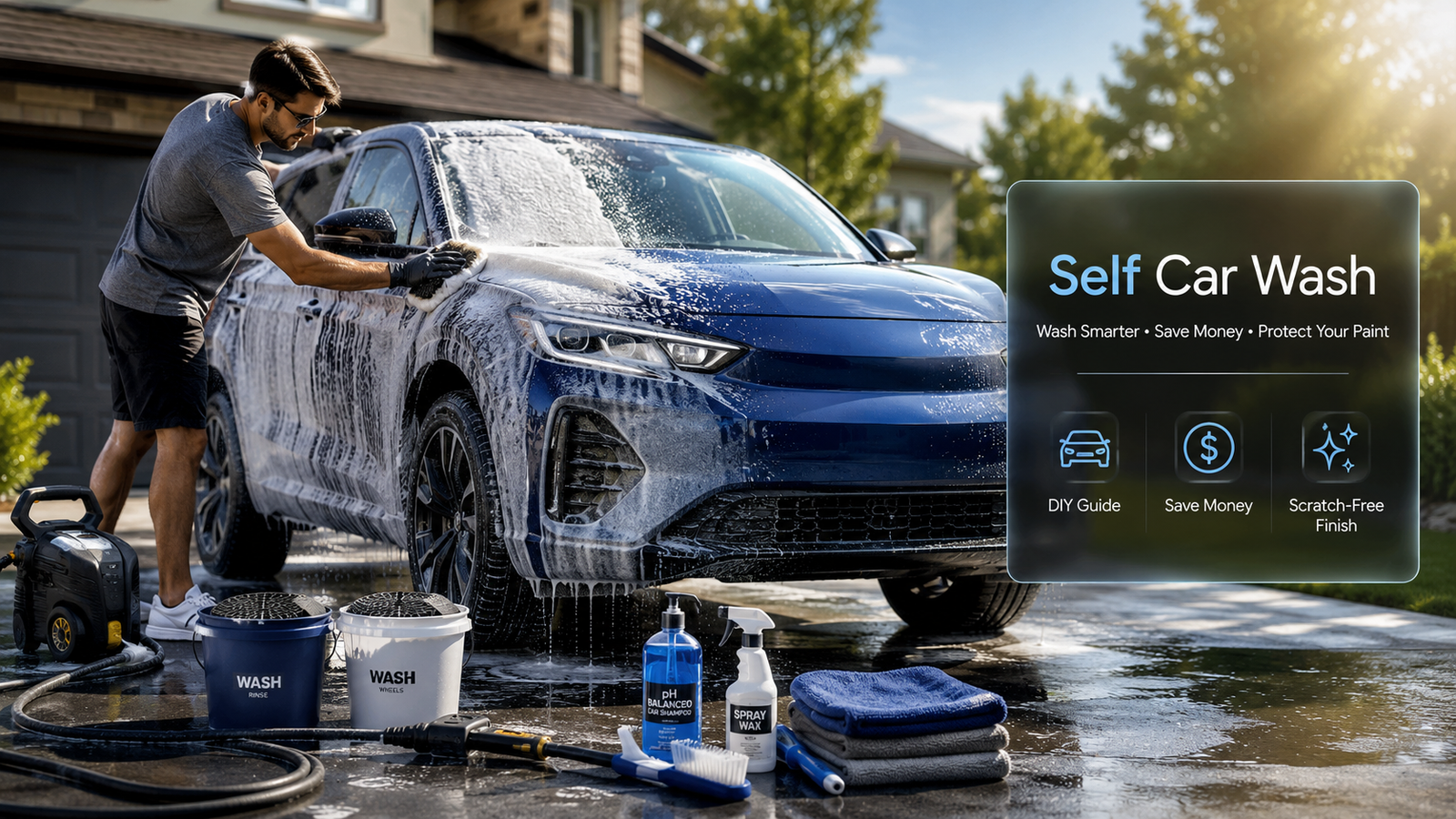
That is why more people now prefer a self car wash instead of visiting a professional car wash every time. Washing your own vehicle gives you complete control over the process. You decide which products to use, how gently to clean the paint, and which areas need extra attention.
The best part is that you do not need expensive equipment to achieve professional-looking results. With the right tools and a simple washing method, you can keep your car looking clean while protecting its value.
Whether you wash your car at home or use a self-service wash bay, learning the correct technique makes a huge difference. It helps prevent swirl marks, scratches, water spots, and wasted time.
In this complete guide, you will learn everything about self car wash. From choosing the right supplies to following a safe washing process, each step is explained in simple language. You will also discover common mistakes, expert tips, cost comparisons, and practical advice that can save you money for years.
If you have never washed your own car before, do not worry. By the end of this guide, you will have the confidence to clean your vehicle like a professional.
Executive Summary
If you want a quick overview, here are the main takeaways from this guide.
- A self car wash is one of the most affordable ways to maintain your vehicle.
- Washing your own car helps protect the paint and maintain resale value.
- Using the right tools reduces the risk of scratches and swirl marks.
- The two-bucket washing method is safer than using a single bucket.
- Microfiber towels and wash mitts clean better than old sponges.
- Regular washing removes harmful dirt before it damages your paint.
- DIY washing usually costs much less than frequent professional washes.
- Small changes in your washing routine can make your car look newer for longer.
Throughout this guide, you will also learn:
- Which tools are actually worth buying
- How often you should wash your car
- The safest washing technique
- Products professionals recommend
- Mistakes beginners make
- Real-world experiences from car owners
- Cost-saving tips that actually work
What Is a Self Car Wash?
A self car wash simply means cleaning your vehicle yourself instead of hiring someone else to do it. You remain in complete control of every step, from rinsing the car to drying the final water droplets.
There are two common ways to perform a self car wash.
Washing Your Car at Home
Many people prefer washing their vehicles in their driveway or garage. This method allows you to use your own equipment and work at your own pace.
Home washing usually requires:
- Water hose
- Buckets
- Car shampoo
- Wash mitt
- Microfiber drying towels
If done correctly, home washing is both affordable and effective.
Using a Self-Service Car Wash
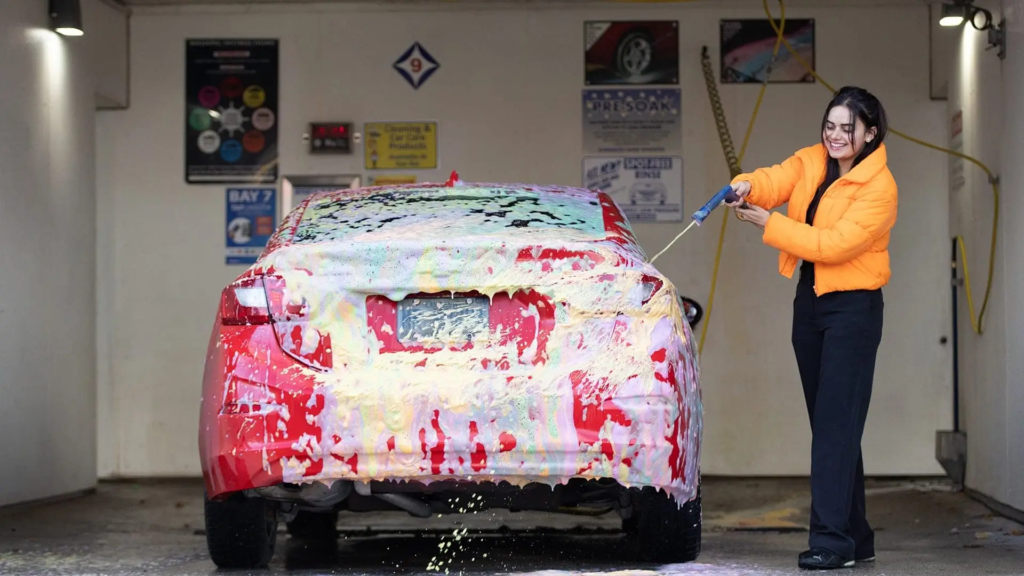
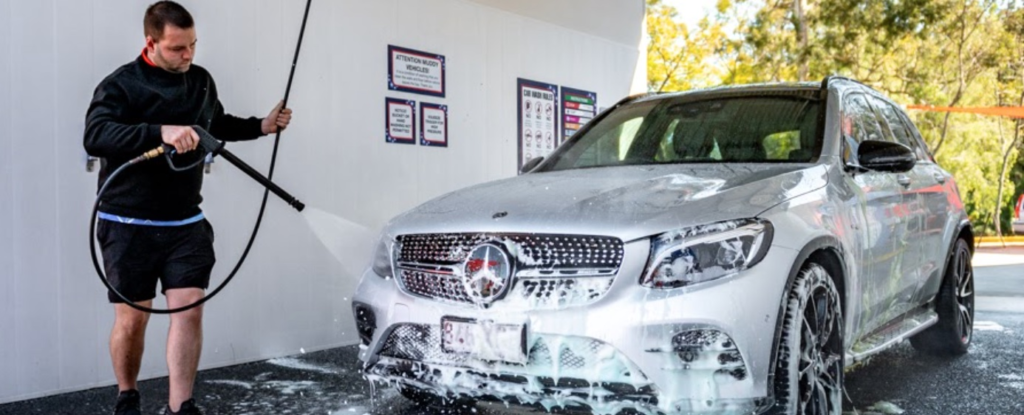
A self-service wash station provides professional equipment while allowing you to clean the vehicle yourself.
Most self-service locations include:
- High-pressure water
- Foam brush
- Soap dispenser
- Wax option
- Spot-free rinse
You pay only for the time you use, making it an excellent choice for people without access to a driveway.
Benefits of a Self Car Wash
Learning how to wash your own vehicle offers several long-term advantages.
1. Save Money Every Month
Professional washes may seem inexpensive at first.
However, paying for weekly washes throughout the year adds up quickly.
If one wash costs $15 and you wash your car every week, you could spend over $780 per year.
A quality DIY washing kit often costs less than a few professional visits
2. Better Protection for Your Paint
You know exactly how your vehicle is being cleaned.
Instead of aggressive brushes, you can safely wash the paint using a microfiber mitt and quality shampoo.
This reduces:
- Fine scratches
- Swirl marks
- Paint fading
3. Complete Control
Every vehicle gets dirty differently.
Some cars collect more brake dust.
Others attract tree sap or bugs.
A self car wash lets you spend extra time where it matters instead of following an automatic system.
4. Increase Your Vehicle’s Resale Value
A clean vehicle often keeps its value better.
Regular washing prevents contaminants from permanently damaging the paint.
Potential buyers usually notice a well-maintained vehicle immediately.
5. It Can Be Surprisingly Relaxing
Many car enthusiasts actually enjoy washing their own vehicles.
It gives them time to inspect the paint, clean small details, and take pride in maintaining something valuable.
For many people, a weekend self car wash becomes a relaxing hobby instead of a chore.
Essential Tools You Need Before Starting
Using the right equipment makes the biggest difference.
Below are the basic tools every beginner should have.
| Tool | Why You Need It |
|---|---|
| Car shampoo | Removes dirt safely without damaging wax |
| Two buckets | Keeps dirty water away from clean paint |
| Grit guard | Traps dirt at the bottom of the bucket |
| Microfiber wash mitt | Cleans gently without scratching |
| Microfiber drying towels | Prevent water spots |
| Wheel brush | Cleans wheels separately |
| Tire cleaner | Removes built-up road grime |
| Hose or pressure washer | Rinses dirt effectively |
| Glass cleaner | Leaves windows streak-free |
| Tire dressing | Gives tires a clean finish |
How to Do a Self Car Wash (Step-by-Step Guide)
A proper self car wash is about using the right technique, not just soap and water. Follow these simple steps to clean your car safely while protecting its paint and finish.
Step 1: Park in a Shaded Area
Choose a shaded spot before you begin. Direct sunlight causes soap and water to dry quickly, which can leave water spots and streaks.
Step 2: Clean the Wheels First
Use a dedicated wheel cleaner and brush to remove brake dust and road grime. Cleaning the wheels first prevents dirt from spreading onto freshly washed paint.
Step 3: Wash Using the Two-Bucket Method
Fill one bucket with clean water and another with car shampoo. After washing each section, rinse your wash mitt in the clean water before dipping it back into the soap.
Step 4: Wash from Top to Bottom
Start with the roof and work your way down. Clean one panel at a time using straight, gentle strokes instead of circular motions.
Step 5: Rinse Thoroughly
Rinse away all soap before it dries. Pay attention to mirrors, door handles, and trim where residue can collect.
Step 6: Dry the Car
Use a clean microfiber drying towel to dry the vehicle immediately. This helps prevent water spots and leaves a smooth, streak-free finish.
Step 7: Finish with Glass and Tires
Clean the windows using an automotive glass cleaner. Apply tire dressing for a clean, polished appearance.
Best Practices for Better Results
Follow these simple habits every time you wash your car:
- Wash your car every 1–2 weeks.
- Always use clean microfiber towels and wash mitts.
- Keep separate tools for the wheels and paint.
- Wash from the top down.
- Dry the vehicle immediately after rinsing.
- Apply a spray wax every few washes for extra paint protection.
- Replace dirty water if it becomes muddy during washing.
These small habits can help keep your car cleaner and protect its finish over time.
Expert Tips
Professional detailers recommend these tips to achieve a better finish:
- Rinse heavily soiled areas before touching the paint.
- Let the car shampoo do the work instead of scrubbing hard.
- Use straight-line motions to reduce swirl marks.
- Wash your car early in the morning or late in the afternoon.
- Inspect the paint while washing to spot chips or scratches early.
Best Self Car Wash Tools and Brands
Choosing the right products can make your self car wash faster, safer, and more effective. Below are some of the most trusted brands, along with their strengths, limitations, pricing, and ideal use cases.
Meguiar’s
Best For: Complete car care and paint protection
Pros
- Professional-quality cleaning products
- Excellent paint protection
- Easy to use for beginners
- Widely available
Cons
- Slightly more expensive than budget brands
Average Pricing: $10–$30 per product
Chemical Guys
Best For: DIY enthusiasts and car detailing
Pros
- Huge selection of car care products
- Premium cleaning performance
- Great educational guides and tutorials
Cons
- Large product range can be confusing for beginners
Average Pricing: $12–$35 per product
Turtle Wax
Best For: Budget-friendly car maintenance
Pros
- Affordable pricing
- Easy to find in stores
- Reliable cleaning and protection
Cons
- Fewer premium detailing options
Average Pricing: $8–$25 per product
Armor All
Best For: Everyday vehicle maintenance
Pros
- Affordable
- Easy to use
- Available almost everywhere
Cons
- Some products provide only basic protection
Average Pricing: $8–$20 per product
Mothers
Best For: Paint care and waxing
Pros
- High-quality waxes and polishes
- Long-lasting shine
- Trusted by detailing enthusiasts
Cons
- Slightly higher price than standard brands
Average Pricing: $15–$35 per product
Rain-X
Best For: Glass cleaning and water repellency
Pros
- Excellent glass cleaners
- Improves visibility during rain
- Easy application
Cons
- Limited product range outside glass care
Average Pricing: $8–$18 per product
Kärcher
Best For: Home pressure washing
Pros
- Powerful and reliable pressure washers
- Saves time during washing
- Durable construction
Cons
- Higher upfront investment
Average Pricing: $120–$300
Seasonal Self Car Wash Tips
Different seasons require different washing habits.
Spring
Remove pollen and mud before they stick to the paint.
Summer
Wash your car early in the morning or late in the evening to prevent water spots.
Autumn
Clear leaves and tree sap quickly to avoid stains.
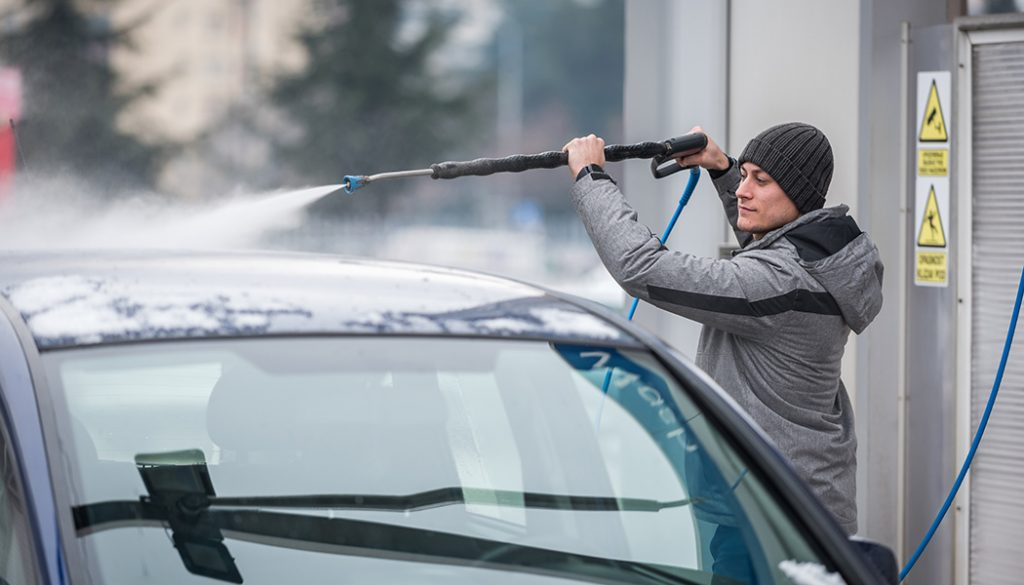
Winter
Wash more frequently if you drive on salted roads, and clean the undercarriage whenever possible.
Frequently Asked Questions(FAQs)
Is a self car wash better than an automatic car wash?
It depends on your priorities. A self car wash gives you complete control over the cleaning process, reducing the risk of scratches from automatic brushes. It also allows you to use high-quality products that suit your vehicle’s finish.
How often should I wash my car?
For most drivers, washing your car every two weeks is enough. If you frequently drive on dusty roads, through snow, or near the coast, washing it weekly is recommended.
Can I use dish soap to wash my car?
No. Dish soap is designed to remove grease and can strip away your car’s protective wax. Always use a pH-balanced car shampoo made specifically for automotive paint.
What is the two-bucket method?
The two-bucket method uses one bucket for clean soapy water and another for rinsing your wash mitt. This prevents dirt from being transferred back onto your car, reducing the chance of scratches.
Is a pressure washer necessary?
No. A garden hose works well for regular washing. A pressure washer simply makes it easier to remove heavy dirt and speeds up the cleaning process.
Can a self car wash damage my car’s paint?
Not if you use the proper techniques and quality tools. Washing with a microfiber mitt, using the two-bucket method, and drying with microfiber towels helps protect your paint.
What is the best time to wash a car?
The best time is early morning or late afternoon when the car is cool and out of direct sunlight. This helps prevent soap and water from drying too quickly.
Should I wax my car after every wash?
No. Applying wax every 2–3 months is usually enough. However, using a spray wax after every few washes can add extra protection and shine.
How long does a self car wash take?
A complete wash typically takes 30–45 minutes, depending on the size of your vehicle and the amount of dirt.
What should I clean first during a self car wash?
Start with the wheels, then rinse the vehicle and wash from the roof down. This prevents dirt from spreading onto already cleaned surfaces.
Key Takeaways
Before you finish, remember these important points:
- A self car wash is an affordable way to keep your vehicle clean and well-maintained.
- Using the right tools and techniques helps prevent scratches and swirl marks.
- The two-bucket method is one of the safest washing techniques.
- Regular washing protects your car’s paint and helps maintain its resale value.
- Investing in quality cleaning products saves money over time.
- Consistent maintenance is easier than dealing with heavy dirt buildup.
Conclusion
A self car wash is more than just a way to save money—it’s one of the best ways to protect your vehicle and keep it looking its best. By using the right tools, following a safe washing process, and avoiding common mistakes, you can achieve results that rival many professional car washes.
The key is consistency. Washing your car regularly, drying it properly, and applying basic paint protection will help preserve its appearance for years to come. Even if you’re new to DIY car care, starting with a simple routine can make a noticeable difference.
As car care products continue to improve, maintaining your vehicle at home is becoming easier and more effective than ever. Whether you wash your car in your driveway or at a self-service wash bay, following the best practices in this guide will help you get cleaner results with less effort.
By following the right techniques and using quality tools, a self car wash can help you keep your vehicle clean, protect its paint, and save money for years to come.
Now it’s your turn: What’s your biggest challenge when doing a self car wash—removing stubborn dirt, avoiding water spots, or choosing the right products?
About the Author