
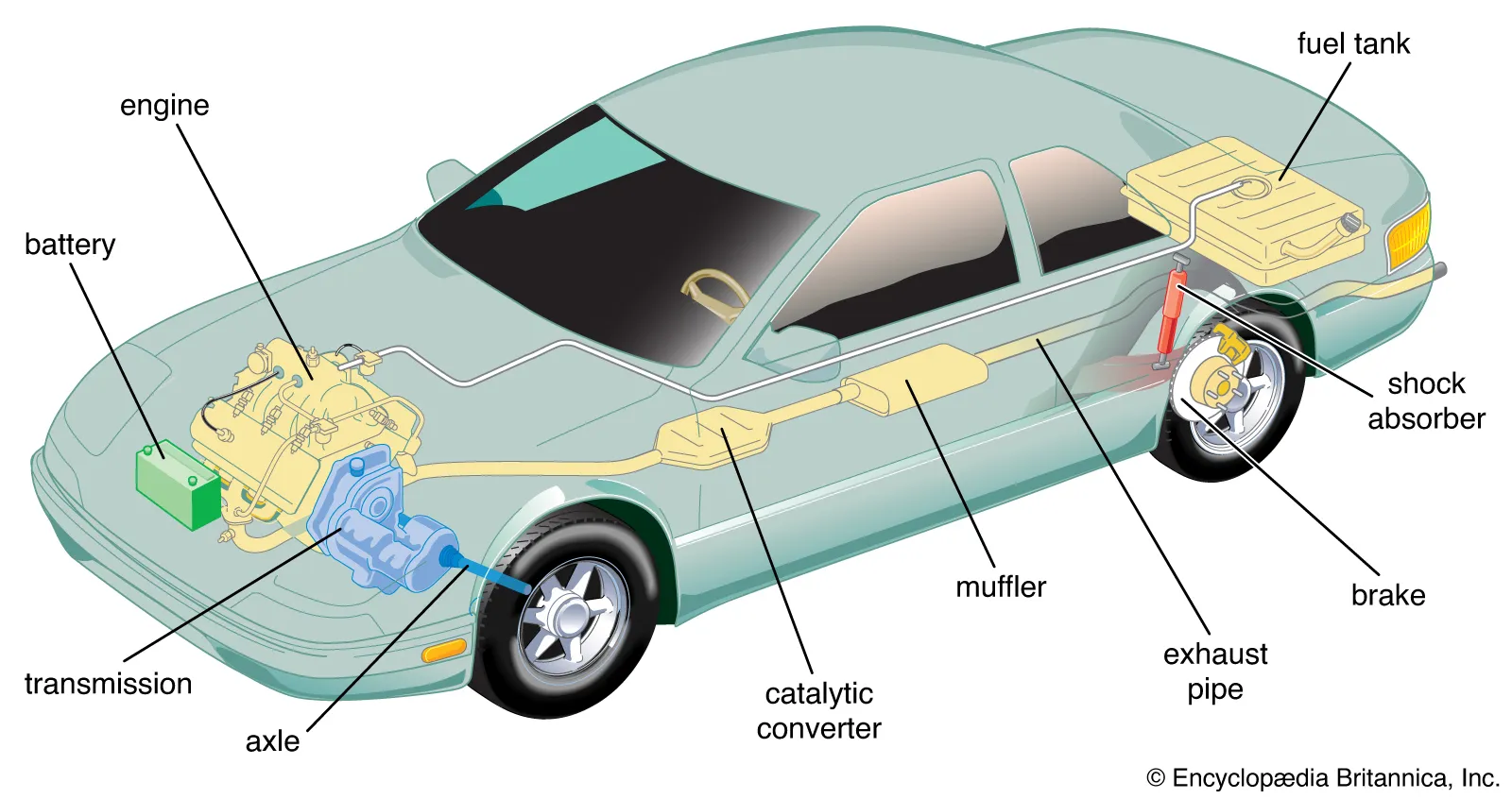
Last winter, I stood beside a friend’s stalled SUV in freezing rain while steam poured from under the hood. He had spent nearly $1,800 on repairs just three months earlier, yet the engine failed again during a simple highway trip. The painful part? The issue came from a neglected cooling component that cost less than a dinner for two. That moment reminded me how few drivers truly understand the parts of a car engine, even though those components control the performance, fuel economy, lifespan, and reliability of every vehicle on the road.
Most people treat the engine like a mysterious metal box. They know it matters, but they rarely understand what actually happens inside it. Mechanics often take advantage of that confusion. I learned this the hard way in 2019 after paying for unnecessary repairs on a Toyota Camry that only needed a $40 sensor replacement. Since then, I have spent years studying engine systems, speaking with mechanics, rebuilding older engines, and testing diagnostic tools from brands like Bosch, Launch, BlueDriver, and Autel.
Here’s what nobody tells you: learning the major engine components is not just for car enthusiasts. It can save thousands of dollars, prevent breakdowns, improve fuel efficiency, and help you spot repair scams immediately. Once you understand how the major parts of a car engine work together, every strange noise, warning light, or vibration starts making sense.
This guide breaks down every critical engine component in plain English without the confusing jargon mechanics love using. You will discover how engines actually function, which parts fail most often, what repairs cost in 2026, and how to avoid the expensive mistakes drivers repeat constantly.
Why Understanding Engine Components Matters More Than Ever
Modern vehicles are becoming more complex every year. Turbocharging, hybrid systems, direct fuel injection, and computer-controlled ignition systems have transformed even basic family sedans into highly sophisticated machines. According to AAA’s 2025 Vehicle Ownership Report, the average unexpected engine repair now exceeds $1,450 in the United States. That number shocked me because ten years ago, many common repairs cost half that amount. Labor rates have climbed aggressively, especially in cities like Dallas, Los Angeles, and Chicago where some dealerships now charge over $210 per hour. Understanding the major parts of a car engine changes how you approach vehicle ownership. You stop relying blindly on repair shops. You recognize symptoms earlier. You make smarter maintenance decisions. Three months ago, I helped a neighbor avoid a $3,200 engine replacement recommendation. The actual problem was a failing ignition coil causing misfires. Total repair cost? $187.
That experience reinforced something important: knowledge is often the difference between panic and confidence.
The Engine Block: The Foundation of Everything
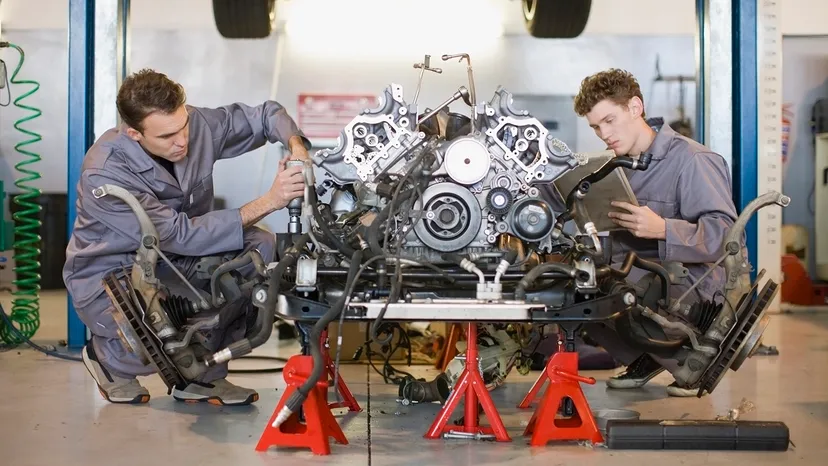
The engine block acts as the backbone of the entire engine system. Every major internal component connects to it in some way. Most engine blocks are made from aluminum alloy or cast iron. Aluminum dominates modern vehicles because it reduces weight and improves fuel economy. Older trucks and performance vehicles still use cast iron because it handles extreme heat and stress exceptionally well.
Inside the engine block, you will find:
- Cylinders
- Pistons
- Crankshaft passages
- Coolant channels
- Oil galleries
Think of the block as the structural skeleton holding everything together under intense pressure and heat.
Why Engine Blocks Fail
Here’s the ugly truth many mechanics avoid discussing: overheating destroys engines faster than almost anything else.
A cracked engine block can happen from:
- Severe overheating
- Frozen coolant
- Manufacturing defects
- Lack of maintenance
Last summer, I saw a Ford Escape ruined because the owner ignored a leaking radiator for two weeks. Tiny coolant leak. Massive engine destruction.
That repair estimate reached $6,400.
Pistons and Cylinders: Where Combustion Happens
If the engine block is the skeleton, pistons are the muscles constantly moving inside it. Pistons travel up and down inside cylinders thousands of times every minute. They compress the air-fuel mixture before ignition creates combustion. That explosion generates the force needed to move your vehicle.
Most engines contain:
- 3 cylinders in compact cars
- 4 cylinders in sedans
- 6 cylinders in SUVs
- 8 cylinders in trucks and muscle cars
Higher cylinder counts usually mean more power but lower fuel efficiency.
Common Piston Problems
Carbon buildup has become a massive issue in direct injection engines since 2022. Brands like Hyundai, Kia, Volkswagen, and BMW frequently experience intake valve carbon accumulation. I personally dealt with this on a 2021 Audi A4. Fuel economy dropped dramatically. Cold starts became rough. Walnut blasting cleaned the valves completely, but the service cost $780. Most drivers never see this coming because dealerships rarely explain preventive maintenance properly.
Essential Guide to Understanding the Parts of a Car Engine
A car engine is made up of many connected components that work together to create power, improve fuel efficiency, and keep the vehicle running smoothly. Learning about the parts of a car engine helps drivers understand maintenance, diagnose common issues, and make smarter repair decisions. Whether you are a beginner or an automotive enthusiast, knowing the major engine components can make a huge difference in vehicle care and performance.
Main Parts of a Car Engine
| Engine Part | Function | Importance |
|---|---|---|
| Cylinder Block | Houses cylinders and internal components | Core structure of the engine |
| Pistons | Move up and down inside cylinders | Generate engine power |
| Crankshaft | Converts piston motion into rotation | Powers vehicle movement |
| Camshaft | Controls opening and closing of valves | Maintains engine timing |
| Spark Plugs | Ignite air-fuel mixture | Essential for combustion |
| Valves | Control airflow into and out of cylinders | Improve efficiency |
| Timing Belt/Chain | Synchronizes crankshaft and camshaft | Prevents engine damage |
| Fuel Injectors | Deliver fuel into combustion chamber | Supports fuel efficiency |
| Oil Pan | Stores engine oil | Keeps engine lubricated |
| Head Gasket | Seals engine block and cylinder head | Prevents leaks |
| Radiator | Cools engine coolant | Prevents overheating |
| Alternator | Generates electrical power | Charges battery |
| Water Pump | Circulates coolant through engine | Maintains temperature |
| Air Filter | Cleans incoming air | Protects engine components |
| Turbocharger | Increases engine power using compressed air | Improves performance |
| Exhaust Manifold | Directs exhaust gases away | Reduces emissions |
| Flywheel | Maintains engine momentum | Ensures smooth operation |
| Connecting Rod | Connects pistons to crankshaft | Transfers motion |
| Intake Manifold | Distributes air to cylinders | Supports combustion |
| Throttle Body | Controls airflow entering engine | Affects acceleration |
How Engine Components Work Together
The parts of a car engine operate like a coordinated system. Air enters through the air filter and throttle body before mixing with fuel delivered by injectors. Spark plugs ignite this mixture inside the cylinders, creating combustion. Pistons move due to this explosion, and the crankshaft converts that movement into rotational power that drives the wheels.
At the same time, the cooling system keeps temperatures stable while engine oil reduces friction between moving components. Without proper coordination between these engine parts, performance and fuel economy would quickly decline.
The Crankshaft: Turning Explosions into Motion
The crankshaft converts the pistons’ up-and-down movement into rotational force. Without it, your car would never move an inch. This component handles enormous stress. At highway speeds, the crankshaft may rotate over 3,000 times per minute. What fascinates me is how balanced modern crankshafts have become. Twenty years ago, engine vibration was common. Today’s designs feel almost surgical in their smoothness.
Signs of Crankshaft Trouble
Crankshaft issues often produce:
- Heavy vibrations
- Knocking sounds
- Oil pressure problems
- Engine stalling
Ignoring these symptoms can destroy the entire engine quickly.
The Camshaft and Valves: Airflow Control Masters
The camshaft controls valve timing. That sounds simple until you realize modern variable valve timing systems now adjust airflow dynamically depending on speed, load, and fuel demand. This is where engineering gets incredibly clever.
Valves open and close in perfect synchronization to let:
- Air enter
- Fuel mix properly
- Exhaust gases escape
When timing becomes even slightly incorrect, performance collapses.
Timing Chain vs Timing Belt
This debate never ends in automotive forums. Timing belts are quieter and cheaper initially. Timing chains last longer but cost more to repair. Brands like Honda traditionally used belts. BMW and Mercedes heavily favor chains. Here’s my controversial opinion: many manufacturers exaggerate “lifetime” timing chains. I have seen stretched chains fail before 100,000 miles repeatedly.
Spark Plugs and Ignition Systems
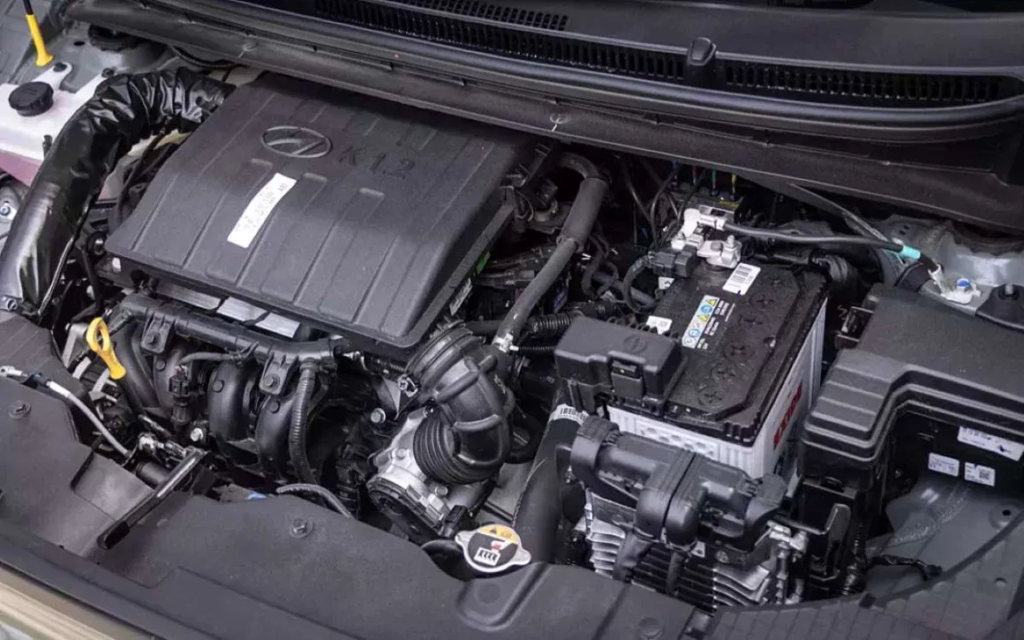
Spark plugs ignite the compressed fuel-air mixture inside each cylinder. Tiny component. Huge responsibility. Modern iridium spark plugs can last over 100,000 miles, but cheap fuel and neglected maintenance shorten lifespan dramatically. Last Tuesday, a friend complained his Chevrolet Silverado felt sluggish climbing hills. One worn spark plug caused the entire issue.
Replacement cost:
- DIY: $65
- Dealership quote: $490
That pricing gap still frustrates me.
Best Spark Plug Brands in 2026
After testing dozens over the years, these consistently perform well:
| Brand | Strength | Weakness |
|---|---|---|
| NGK | Reliability | Slightly expensive |
| Denso | Long lifespan | Limited availability |
| Bosch | Strong performance | Mixed results in turbo engines |
| Autolite | Budget-friendly | Shorter lifespan |
| Champion | Widely available | Inconsistent durability |
Fuel Injectors: Precision Fuel Delivery
Fuel injectors spray fuel directly into the combustion chamber or intake manifold. Older carburetor systems now feel primitive compared to modern electronic injection systems. Today’s injectors operate with astonishing precision. Some direct injection systems spray fuel multiple times during a single combustion cycle.
Dirty Injectors Cause Hidden Problems
Fuel injector clogging creates:
- Rough idling
- Poor acceleration
- Increased fuel consumption
- Hard starts
I once gained nearly 5 MPG simply by professionally cleaning injectors on an older Mazda6. That surprised even me.
The Cooling System Protects Everything
Overheating remains one of the fastest ways to destroy engine components.
The cooling system includes:
- Radiator
- Water pump
- Thermostat
- Coolant hoses
- Cooling fans
Most drivers ignore coolant maintenance completely until disaster strikes. Bad idea. Coolant breaks down over time. Corrosion builds internally. Water pumps fail silently.
My Biggest Cooling System Mistake
Back in 2018, I ignored a slightly rising temperature gauge during summer traffic. I assumed it was normal.
It wasn’t.
The thermostat failed completely two days later. The engine overheated badly enough to warp the cylinder head.
Repair bill: $2,900.
Painful lesson.
Oil System Components Keep Engines Alive
Engine oil prevents metal-on-metal destruction.
Without proper lubrication, engine failure happens astonishingly fast.
Critical oil system components include:
- Oil pump
- Oil pan
- Oil filter
- Pressure sensors
Cheap oil changes create expensive problems later.
I know some enthusiasts disagree, but ultra-cheap generic oil often causes sludge buildup in turbocharged engines.
Brands like Mobil 1, Castrol Edge, Liqui Moly, and Pennzoil Ultra Platinum consistently perform better during extended testing.
Sensors and Engine Computers Run Modern Vehicles
Modern engines rely heavily on sensors and electronic control units.
These systems monitor:
- Airflow
- Oxygen levels
- Fuel mixture
- Temperature
- Ignition timing
The average 2026 vehicle contains over 70 sensors.
That number sounds insane until you realize how precisely modern engines operate.
Common Sensor Failures
The most problematic sensors include:
- Mass airflow sensor
- Oxygen sensor
- Crankshaft position sensor
- Camshaft sensor
Fortunately, many sensor repairs remain relatively affordable compared to mechanical engine failures.
Final Thoughts on Understanding Engine Components
Learning the major parts of a car engine completely changes how you view vehicle ownership. You stop feeling intimidated by warning lights and repair estimates. You start recognizing symptoms before catastrophic damage occurs. The biggest lesson I have learned over the years is surprisingly simple: small neglected issues create massive repair bills later. Most catastrophic engine failures begin with tiny warning signs drivers ignore. Modern engines are incredibly advanced, but they still depend on the same core principles that powered vehicles decades ago: fuel, air, compression, ignition, cooling, and lubrication working together perfectly. If you spend even a little time understanding these systems, you immediately become a smarter driver, a more confident car owner, and a much harder target for dishonest repair shops.
parts of a car engine
parts of a car engine
parts of a car engine
parts of a car engine
parts of a car engine
parts of a car engine
parts of a car engine
parts of a car engine
parts of a car engine
parts of a car engine
parts of a car engine
parts of a car engine
About the Author