Hyundai Motorcycle Rumors, Concepts, and the Future
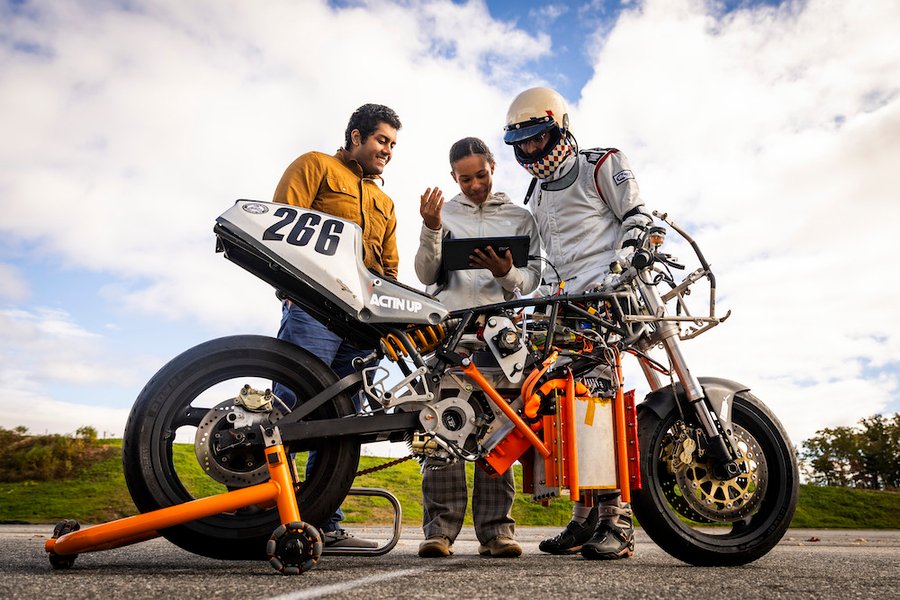
The first time I heard someone mention a Hyundai motorcycle, I honestly thought it was a joke. Hyundai is famous for cars, SUVs, electric vehicles, and smart mobility systems. Motorcycles? That sounded unexpected. Yet the idea keeps appearing in online forums, concept discussions, and even among motorcycle enthusiasts who wonder what would happen if Hyundai entered the two-wheel market.
That curiosity is not random. Hyundai has transformed itself over the past decade. The company moved from being seen as a budget automaker to becoming a global technology-driven mobility brand. Cars like the Hyundai Ioniq 5, Hyundai Tucson, and Hyundai Santa Fe changed public perception completely. So people naturally ask an interesting question: if Hyundai can reinvent cars so successfully, could it do the same with motorcycles?
The answer is more complicated than most articles online admit.
Why the Idea of a Hyundai Motorcycle Keeps Growing
People associate Hyundai with innovation. The company invests heavily in electric technology, hydrogen fuel systems, autonomous driving, and AI-powered mobility. When consumers see this level of progress, they begin imagining Hyundai expanding beyond traditional vehicles.
A few months ago, I was browsing a motorcycle community on Reddit where riders debated which car company could successfully launch a bike division. Surprisingly, Hyundai appeared repeatedly in the discussion. One rider wrote, “If Hyundai built an affordable electric sport bike with modern tech, I’d buy it immediately.” That comment received hundreds of upvotes.
That reaction reveals something important. Riders are not only looking for speed anymore. They want smart technology, reliability, comfort, and lower ownership costs. Hyundai already understands those priorities in the automotive world.
The global motorcycle market is also evolving rapidly. According to industry reports from Statista and Grand View Research, electric motorcycle demand continues growing each year. Younger riders are especially interested in eco-friendly transportation with connected features like smartphone integration, GPS systems, and advanced safety tools. Hyundai already has expertise in these technologies.
This creates a perfect environment for speculation about a future Hyundai motorcycle lineup.
Could Hyundai Actually Build Motorcycles?
Technically, yes. Practically, it would require a huge investment.
Building motorcycles is not as simple as shrinking car technology into a smaller frame. Motorcycle engineering involves different suspension geometry, rider ergonomics, balance systems, frame construction, and performance tuning. Companies like Yamaha, Honda, Ducati, and Kawasaki spent decades mastering these areas.
Still, Hyundai has advantages many startups lack.
Hyundai Already Understands Mass Production
One reason Hyundai became successful globally is manufacturing efficiency. The company knows how to produce reliable vehicles at scale while controlling costs. That skill could help if Hyundai ever decided to enter the motorcycle market.
A mid-range commuter bike from Hyundai could potentially compete on price while offering modern technology features that many competitors reserve for premium models.
Electric Mobility Could Be the Entry Point
Here’s where things become truly interesting.
If Hyundai launches motorcycles someday, the first models would probably be electric rather than gasoline-powered. That approach makes strategic sense because Hyundai already invests billions into EV development.
Electric motorcycles remove many traditional engineering barriers. Instead of focusing heavily on engine tuning and transmission systems, companies can prioritize battery management, software integration, and electric motors. Hyundai already excels in these areas.
Brands like Zero Motorcycles and LiveWire proved that electric bikes attract growing interest. Hyundai could potentially enter the market with affordable urban commuter bikes aimed at younger riders.
What a Hyundai Motorcycle Might Look Like
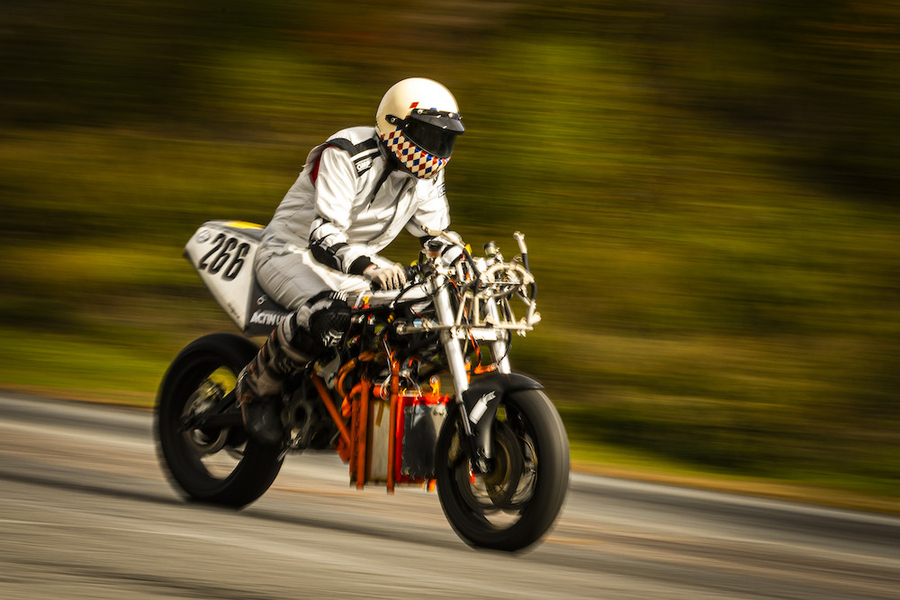
Most concept artists imagine futuristic designs when discussing Hyundai motorcycles. Sharp LED lighting, aerodynamic fairings, digital dashboards, and minimalist bodywork appear in nearly every concept rendering online.
Honestly, that direction fits Hyundai’s current design language perfectly.
Take a look at the Hyundai N Vision 74 concept car. It combines retro inspiration with futuristic styling. Many motorcycle fans believe Hyundai would use a similar strategy for bikes by mixing aggressive sport aesthetics with advanced technology.
Features Riders Would Expect
If Hyundai introduced motorcycles, buyers would likely expect these features:
- Full digital instrument cluster
- Smartphone app integration
- GPS navigation systems
- Keyless ignition
- Rider safety alerts
- Fast charging technology
- Regenerative braking
- Lightweight battery systems
Some riders even speculate Hyundai could integrate AI-assisted riding modes using technology adapted from autonomous driving research.
That sounds futuristic now, but ten years ago people said the same thing about self-driving vehicles and AI-assisted parking systems.
The Biggest Challenge Hyundai Would Face
Motorcycle culture is different from car culture.
This point matters more than many business analysts realize.
Car buyers often prioritize comfort, reliability, fuel economy, and technology. Motorcycle riders care deeply about emotional connection. The sound of the engine, throttle response, riding posture, and even vibration patterns become part of the experience.
Brands like Harley-Davidson built entire communities around identity and lifestyle. Ducati sells passion as much as performance. Yamaha combines racing heritage with street credibility.
A Hyundai motorcycle would need more than modern features. It would need personality.
That challenge could become Hyundai’s biggest obstacle.
Electric Bikes Are Changing Rider Expectations
Traditional motorcycle enthusiasts sometimes resist electric bikes. I’ve seen this firsthand during local riding meetups. Riders often complain that electric motorcycles feel “too quiet” or “too artificial.”
But younger riders think differently.
Many first-time buyers care more about convenience than engine noise. They want low maintenance costs, instant torque, and smartphone connectivity. Electric motorcycles deliver exactly that.
This generational shift creates an opportunity for companies outside traditional motorcycle manufacturing.
Tesla changed expectations in the car industry. Hyundai could potentially do something similar in motorcycles by focusing on affordable electric mobility instead of competing directly with superbike manufacturers.
Hyundai’s Existing Technology Could Create an Advantage
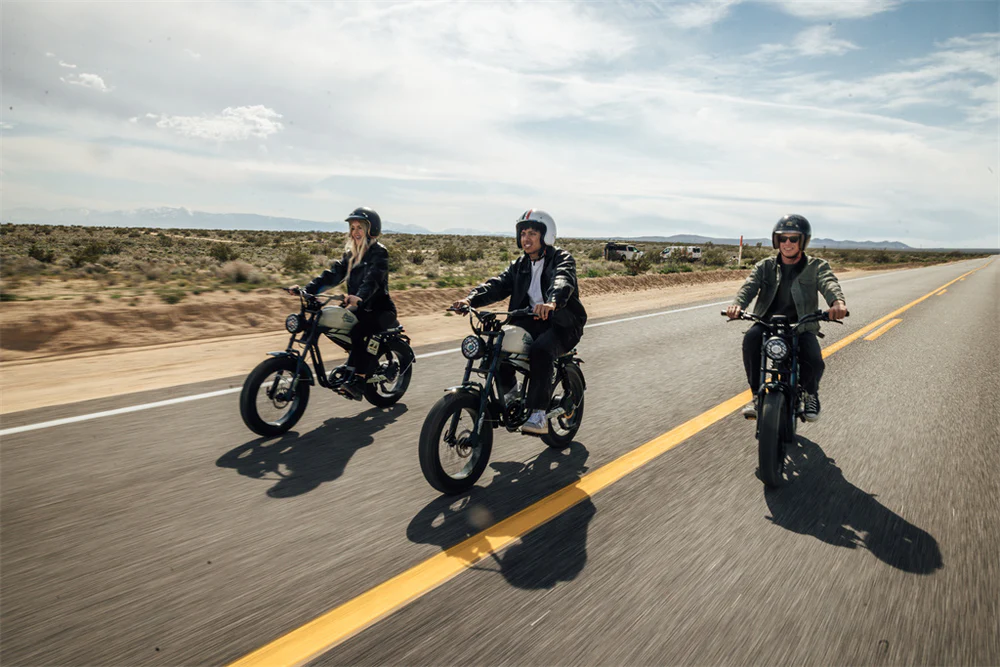
One reason the Hyundai motorcycle discussion remains interesting is Hyundai’s current technology ecosystem.
The company already develops:
- Advanced battery systems
- Hydrogen fuel technology
- AI-assisted safety features
- Smart connectivity platforms
- Regenerative energy systems
- Autonomous mobility software
Integrating these technologies into motorcycles could create something genuinely unique.
For example, imagine a Hyundai electric bike with adaptive rider safety systems that monitor road conditions in real time. Or a touring motorcycle with AI-assisted navigation that automatically adjusts battery usage during long rides.
These ideas sound ambitious, yet Hyundai already experiments with similar technology in its automotive division.
Why Some Experts Believe Hyundai Will Stay Away
Not everyone believes Hyundai should enter the motorcycle market.
Several industry analysts argue the motorcycle business carries lower profit margins compared to SUVs and EVs. Development costs are high, competition is intense, and brand loyalty among riders remains extremely strong.
Honda and Yamaha dominate multiple global markets already. KTM controls performance-focused segments. Harley-Davidson owns cruiser culture in America. Breaking into this landscape would require enormous marketing investment.
There’s also the issue of dealer networks. Motorcycle buyers expect specialized service centers and trained mechanics. Hyundai would need to create an entirely new support infrastructure.
That’s a massive commitment even for a company as large as Hyundai.
What Riders Actually Want From Future Motorcycles
After reading hundreds of rider discussions online, a clear trend appears. Most riders are tired of overpriced technology packages and unnecessary complexity.
People want motorcycles that are:
- Reliable
- Affordable
- Easy to maintain
- Comfortable for daily riding
- Fuel efficient or electric
- Packed with practical technology
Hyundai’s automotive success comes from delivering exactly those qualities. That’s why the idea of a Hyundai motorcycle continues gaining attention despite no official production announcements.
Sometimes consumer imagination reveals market opportunities before companies recognize them.
FAQs
Is Hyundai currently manufacturing motorcycles?
No, Hyundai does not currently manufacture or sell motorcycles as part of its official global product lineup. The company mainly focuses on cars, SUVs, electric vehicles, and smart mobility technology.
Why do people search for Hyundai motorcycle online?
Many people search for a Hyundai motorcycle because of concept designs, online rumors, and growing interest in electric mobility. Hyundai’s success in advanced vehicle technology makes consumers curious about possible future two-wheel projects.
Could Hyundai launch an electric motorcycle in the future?
It is possible. Hyundai already invests heavily in electric vehicle technology, battery systems, and smart mobility solutions. If the company enters the motorcycle market, experts believe electric bikes would likely be the first option.
What features might a Hyundai motorcycle include?
A future Hyundai motorcycle could include digital dashboards, smartphone connectivity, GPS navigation, AI-powered safety systems, fast charging, regenerative braking, and lightweight electric battery technology.
Which brands would compete with Hyundai motorcycles?
If Hyundai entered the motorcycle industry, it would likely compete with brands such as Honda, Yamaha, Kawasaki, KTM, Ducati, Harley-Davidson, and electric motorcycle companies like Zero Motorcycles and LiveWire.
Final Thoughts
Right now, there is no official production Hyundai motorcycle available globally. Most discussions remain speculative, fueled by concept art, online communities, and growing interest in electric mobility.
Still, the idea makes sense in today’s transportation landscape.
Hyundai already understands modern consumers. The company knows how to combine technology, affordability, and sleek design into products that appeal to younger buyers. If electric motorcycles continue growing over the next decade, Hyundai could eventually see an opportunity worth exploring.
The motorcycle industry is changing faster than many people realize. Electric power, smart technology, and connected mobility are rewriting the rules completely. Companies that once seemed unrelated to motorcycles may become future competitors in the two-wheel world.
And honestly? A futuristic Hyundai electric motorcycle parked beside today’s EV lineup no longer sounds impossible.
About the Author