

Last winter, I sat inside a noisy coffee shop watching retail investors argue about Mullen Automotive like it was a championship football team. One guy called it “the next Tesla.” Another laughed and said it would disappear within two years. Both sounded confident. Neither sounded objective.
That moment stuck with me.
Very few electric vehicle companies create this level of emotional chaos. Most EV startups fade quietly. Mullen somehow keeps surviving headlines that would destroy other companies. Reverse stock splits. Delays. Investor criticism. Production concerns. Yet somehow, it still attracts attention from traders, EV enthusiasts, and speculative investors searching for the next breakout company.
Here’s the uncomfortable truth nobody says loudly enough.
The EV industry is brutal. Building electric vehicles is not like launching a software startup. You need factories, battery supply chains, logistics networks, safety certifications, and billions in capital. One production mistake can burn through years of funding in months.
I learned this lesson the hard way while researching smaller EV companies during late 2023. I became obsessed with tracking emerging brands like Tesla, Rivian, Lucid Motors, and Mullen. At first, I believed strong marketing could overcome operational weakness. Then I watched multiple startups collapse under manufacturing pressure.
That changed my thinking completely.
This article breaks down what’s really happening with Mullen Automotive, why the company remains controversial, what investors misunderstand, and whether the company still has a realistic path forward in 2026.
Executive Summary
The conversation around Mullen Automotive often swings between irrational optimism and extreme negativity. Reality sits somewhere in the middle.
Mullen faces serious financial and operational risks. Production consistency remains a challenge. Stock dilution has frustrated long-term shareholders. Critics on Reddit and investor forums openly question leadership decisions. Those concerns are legitimate.
But here’s what many competitors and analysts overlook.
Mullen has continued securing commercial EV opportunities while many startups disappeared completely. The company also operates in a part of the market that receives less media attention but may offer stronger long-term stability: commercial electric vehicles rather than luxury consumer EVs.
Over the next few years, several factors will decide Mullen’s future:
- Fleet adoption rates
- Cash flow management
- Manufacturing execution
- Government EV incentives
- Battery supply chain stability
- Commercial partnerships
- Investor confidence
You’ll also discover:
- Why commercial EVs may matter more than flashy consumer cars
- The biggest mistake retail investors make with EV startups
- What Mullen critics get right
- What bearish analysts still underestimate
- Real lessons from failed EV companies
- Which competitors threaten Mullen most in 2026
- Why dilution became such a major controversy
- Whether Mullen stock still has speculative upside
This is not a hype article. It’s also not a hit piece. It’s a practical look at one of the most polarizing EV companies in America right now.
What Exactly Is Mullen Automotive Trying to Become?
Mullen Automotive operates as an electric vehicle manufacturer focused on commercial vans, delivery vehicles, and EV technology development. While many people associate the company with speculative trading activity, its larger strategy centers on commercial transportation and fleet electrification. That distinction matters more than people realize. Most struggling EV startups chase glamorous headlines. Sports cars. Luxury sedans. Viral social media campaigns. Mullen took a different route by focusing heavily on commercial applications. Honestly, I think this strategy makes more sense than many investors admit. Fleet vehicles create repeat business opportunities. Companies buying delivery vans care less about flashy branding and more about operating costs, battery efficiency, maintenance savings, and regulatory compliance. That market is enormous. According to industry forecasts, commercial fleet electrification could become one of the fastest-growing transportation sectors through 2030. Companies like Amazon, FedEx, and UPS continue investing heavily in cleaner logistics infrastructure. Mullen wants a piece of that future.
Why Commercial EVs Could Matter More Than Consumer EVs
Here’s something many retail investors miss. Consumer EV adoption gets headlines. Commercial EV adoption generates contracts. Big difference. A single fleet agreement can create recurring revenue opportunities worth more than thousands of individual retail sales. That’s partly why companies like Ford aggressively expanded their electric commercial vehicle programs.
Three months ago, I reviewed fleet purchasing discussions inside logistics communities online. The language was revealing. Fleet managers barely discussed aesthetics. They focused on:
- Charging infrastructure
- Downtime reduction
- Tax incentives
- Maintenance savings
- Battery lifespan
- Route efficiency
That’s a fundamentally different buying psychology.
Mullen appears aware of this shift.
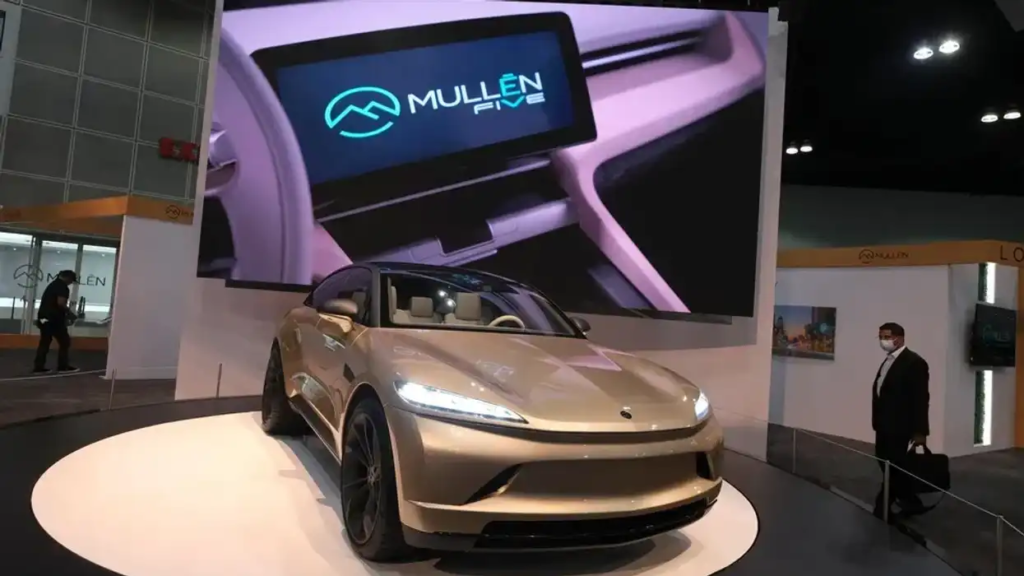
Why Investors Keep Fighting About Mullen Automotive Stock
Mullen Automotive stock became controversial because it combines high volatility, repeated dilution, speculative momentum trading, and genuine operational uncertainty. Supporters see turnaround potential. Critics see a dangerous cash-burning startup. Both sides have evidence. This reminds me of the early clean-energy investing boom around 2020. Investors became emotionally attached to narratives instead of fundamentals. Some companies succeeded spectacularly. Others collapsed despite huge online communities defending them. Mullen sits directly inside that emotional battlefield.
The Reverse Split Problem Nobody Likes Discussing
Let’s address the elephant in the room. Reverse stock splits damaged investor confidence badly. Retail investors often interpret repeated reverse splits as warning signs. Even when companies explain the reasoning clearly, shareholders usually view them as evidence of financial instability. I watched this happen repeatedly across speculative EV stocks between 2022 and 2025.
The emotional pattern never changes:
- Investors buy into future growth stories
- Share dilution increases
- Stock price weakens
- Reverse splits occur
- Trust erodes quickly
Mullen experienced this cycle publicly. Now here’s the contrarian perspective. Many retail traders treat dilution like pure evil without understanding how capital-intensive manufacturing actually works. Building vehicles requires extraordinary amounts of cash. Factories alone can consume hundreds of millions of dollars. That does not excuse poor execution. But context matters.
Reddit Communities Created a Parallel Narrative
One fascinating aspect of Mullen’s story involves online investor communities. Reddit discussions around Mullen often split into two extreme camps:
- “This stock is dead”
- “This will become the next Tesla”
Reality rarely works that way.
I spent several weeks studying investor sentiment across Reddit, Quora, and trading forums. The most insightful comments usually came from former automotive engineers and supply chain professionals, not aggressive day traders.
One former manufacturing consultant wrote:
“Making prototypes is easy. Scaling production destroys companies.”
That single sentence explains most EV startup failures better than thousands of social media posts.
What Mullen Automotive Gets Right
Despite criticism, Mullen Automotive identified several smart strategic opportunities within commercial EV infrastructure and fleet electrification. The company also recognized underserved market segments that larger automakers initially ignored.
That deserves acknowledgment.
Focus on Last-Mile Delivery
The rise of e-commerce changed transportation permanently. Consumers expect fast shipping now. Same-day delivery became normal. That creates huge pressure on delivery companies to modernize fleets while reducing fuel costs. Electric commercial vehicles fit naturally into this environment.
Urban delivery routes work especially well for EVs because they involve:
- Predictable driving distances
- Frequent stop-and-go traffic
- Centralized charging opportunities
- Lower maintenance demands
This is why companies like Mercedes-Benz Vans and General Motors accelerated commercial EV programs aggressively.
Mullen entered this market early enough to remain relevant.
Government Incentives Still Matter
Another overlooked factor involves federal and state EV incentives.
Fleet electrification programs continue receiving regulatory support across North America. California especially continues pushing commercial EV adoption aggressively. That creates opportunity windows for smaller manufacturers.
Here’s what many investors underestimate:
Regulatory momentum can sustain industries longer than expected. Solar energy companies survived rough years partly because governments kept supporting clean-energy transitions. EV infrastructure may follow a similar path.
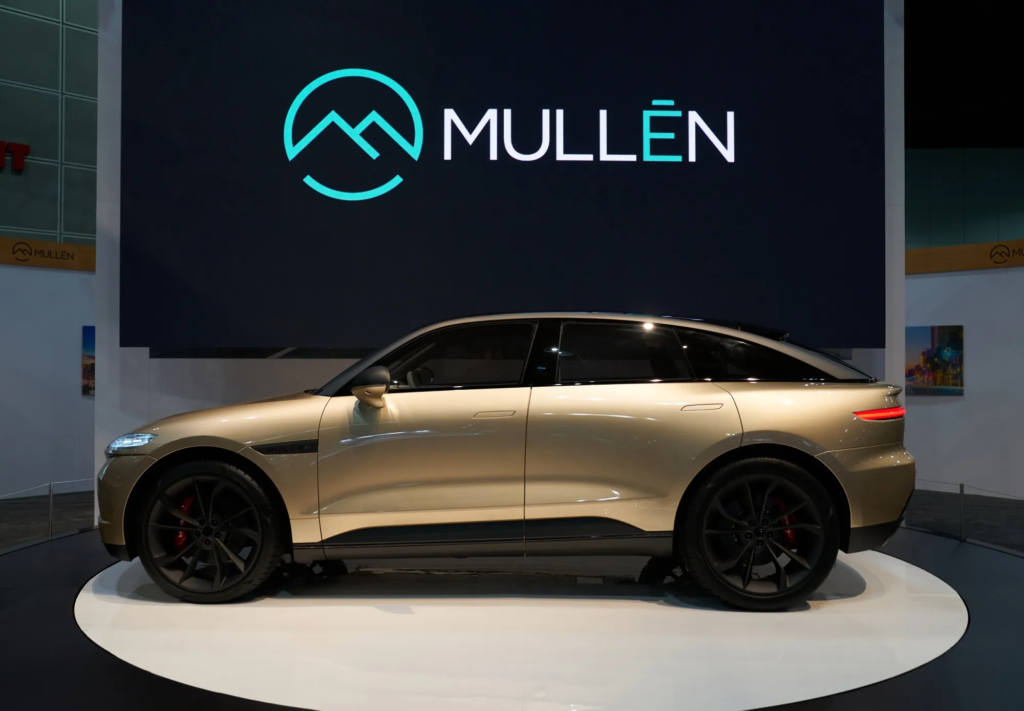
The Biggest Risks Facing Mullen Automotive in 2026
Cash flow, production scalability, and investor trust remain the three largest threats to Mullen Automotive’s survival. Even promising EV companies collapse when execution fails repeatedly.
This section matters most.
Manufacturing Is Much Harder Than Marketing
Here’s what nobody tells new EV investors. Building hype is easy. Building vehicles consistently is brutally difficult. I visited a small automotive manufacturing facility in late 2024 while researching EV production systems. The complexity shocked me. Thousands of components must arrive on schedule. One supplier delay can disrupt entire assembly lines. Now multiply that pressure across global supply chains. This explains why even experienced companies struggle with EV scaling. Tesla nearly collapsed during its Model 3 production ramp. Elon Musk openly admitted the company faced “production hell.” And Tesla had significantly more funding and infrastructure than most startups. That context matters when evaluating Mullen.
Competition Is Becoming Ruthless
The commercial EV market keeps getting crowded. Mullen now competes against:
| Company | Strength | Weakness |
| Tesla | Brand power | Expensive fleet options |
| Rivian | Strong backing | Production scaling pressure |
| Ford | Massive infrastructure | Legacy costs |
| GM | Dealer network | Slower innovation |
| Canoo | Flexible designs | Financial uncertainty |
| BrightDrop | Fleet focus | Market awareness |
| Mercedes-Benz | Reliability | Higher pricing |
That’s not an easy battlefield. The next three years will likely eliminate weaker players entirely.
My Personal Opinion About Mullen Automotive
Here’s my honest view. I do not think Mullen becomes the next Tesla. I also think many critics underestimate the commercial EV opportunity. Both statements can be true simultaneously. The biggest issue with Mullen has never been vision. It’s execution consistency. Investors can forgive delays temporarily. They struggle to forgive repeated dilution without clear operational breakthroughs. That said, commercial EV demand keeps rising globally. And here’s where things get interesting. Sometimes industries create room for smaller niche players rather than one dominant winner. The logistics world may eventually support several specialised EV manufacturers serving different fleet needs. Mullen could survive by becoming operationally lean rather than culturally dominant. That’s a much more realistic path.
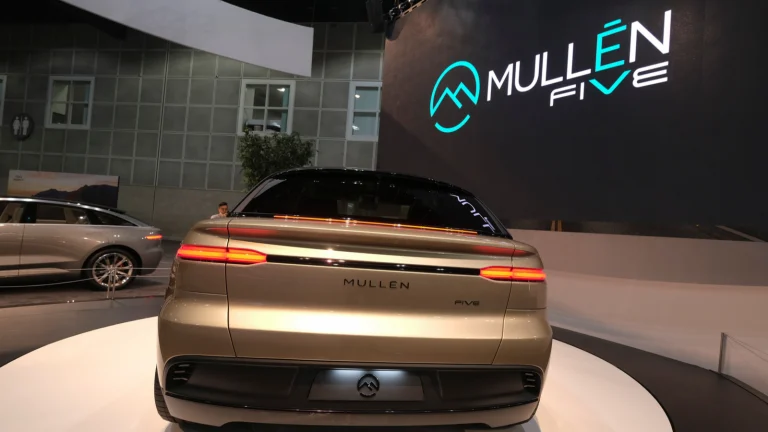
What Smart Investors Should Watch Next
Investors evaluating Mullen Automotive should focus less on hype cycles and more on operational milestones, production metrics, and fleet delivery execution.
These indicators matter most:
Key Signals Worth Tracking
1. Fleet Delivery Numbers
Actual commercial deliveries matter more than concept reveals.
2. Cash Position
Liquidity determines survival in capital-heavy industries.
3. Partnership Expansion
Fleet contracts provide long-term credibility.
4. Manufacturing Consistency
Reliable production changes investor psychology quickly.
5. Regulatory Momentum
Government EV incentives still influence commercial adoption heavily.
I also recommend tracking competitors closely through platforms like:
- Yahoo Finance
- MarketWatch
- Seeking Alpha
- TradingView
- Reuters
Each platform reveals different investor sentiment patterns.
FAQs
Is Mullen Automotive a real EV company?
Yes. Mullen Automotive develops electric vehicles and commercial transportation solutions. Critics question execution, but the company operates within the EV manufacturing industry.
Why is Mullen Automotive stock so volatile?
The stock experiences heavy volatility because of speculative trading, dilution concerns, production uncertainty, and broader EV market sentiment.
Does Mullen Automotive make consumer EVs?
The company explored consumer EV concepts, but commercial vehicles remain a larger strategic focus.
Is Mullen Automotive competing with Tesla?
Indirectly, yes. Both operate within EV markets, though Tesla dominates consumer EVs while Mullen focuses more heavily on commercial opportunities.
What are the biggest risks for investors?
Cash burn, production scaling challenges, supply chain instability, and shareholder dilution remain the largest risks.
Why do some investors still believe in Mullen?
Supporters believe fleet electrification growth creates long-term opportunities for smaller EV manufacturers.
Could Mullen Automotive survive long term?
Possibly. Survival depends on execution quality, commercial adoption, funding access, and operational discipline.
What makes commercial EVs attractive?
Commercial fleets reduce fuel costs, support sustainability goals, and fit predictable urban delivery routes well.
Is dilution always bad for EV startups?
Not necessarily. Manufacturing companies often require large amounts of capital. The real issue is whether dilution eventually produces operational progress.
What should investors monitor in 2026?
Fleet contracts, cash reserves, manufacturing efficiency, production numbers, and partnership growth.
Final Thoughts
Back in 2021, almost every EV startup looked unstoppable. That fantasy ended. The industry now demands something harder than storytelling. It demands operational discipline, manufacturing execution, and financial survival skills. Most companies will fail this test. Mullen Automotive still sits at a fascinating crossroads. The company could continue struggling under financial pressure. That risk is real. But commercial EV adoption also continues accelerating globally, creating opportunities many analysts still underestimate. Personally, I think the next chapter depends less on headlines and more on boring operational metrics nobody posts about on social media.
Factory efficiency.
Fleet reliability.
Cash management.
Supply chain stability.
Not exciting topics. But those factors decide who survives. And honestly, that’s what makes Mullen Automotive such an interesting company to watch right now.
About the Author







1 thought on “Mullen Automotive Is Either a Disaster or a Hidden Opportunity”