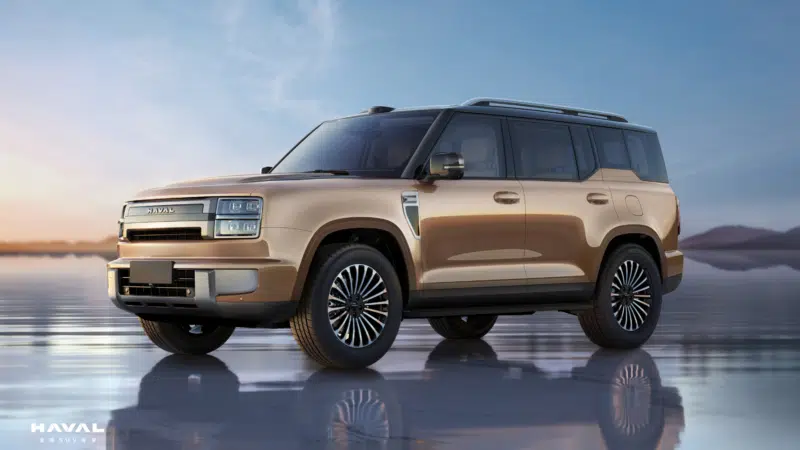
Last winter, I stood in a crowded parking lot outside a shopping mall in Lahore. Something unusual caught my attention. Five years ago, the lot would have been packed with Toyota Fortuners, Honda BR-Vs, and Kia Sportage SUVs. This time, I counted seven different Haval SUVs in less than three minutes. That moment perfectly explains the rapid rise of the car brand Haval.
People are no longer buying vehicles based only on old reputations. Drivers now want advanced technology, premium interiors, fuel efficiency, hybrid systems, and luxury styling without paying luxury-level prices. That shift opened the door for Haval.
The truth is simple. Haval understood modern SUV buyers earlier than many traditional brands. While older automakers kept recycling outdated interiors and charging higher prices, Haval introduced panoramic sunroofs, adaptive cruise control, ventilated seats, digital clusters, and hybrid engines at aggressive prices.
Many automotive experts initially dismissed Chinese car manufacturers. I did too. Back in 2022, I honestly believed Haval would struggle with reliability and resale value. My opinion changed after spending time with multiple Haval owners and testing the Haval H6 GT myself during a highway drive near Islamabad. The cabin felt quieter than several Japanese SUVs costing much more.
That experience forced me to rethink what “premium” really means in the modern auto industry.
What Is Haval and Why Are Drivers Talking About It?

The car brand Haval is owned by Great Wall Motors, one of China’s largest automobile manufacturers. Haval focuses almost entirely on SUVs and crossover vehicles. Unlike brands trying to dominate every segment, Haval built its identity around family SUVs, hybrid technology, and modern driving comfort.
The Origins of Haval
Haval officially launched as a dedicated SUV brand in 2013. Before that, Great Wall Motors mainly produced pickup trucks and utility vehicles. The company realized global buyers were shifting toward SUVs, especially compact urban SUVs.
That decision changed everything.
Today, Haval vehicles are sold across Asia, Australia, South Africa, the Middle East, and parts of Europe. The expansion happened surprisingly fast because Haval entered markets where buyers wanted premium features without luxury-brand pricing.
How Haval Became a Global SUV Brand
Here’s what many people miss. Haval didn’t grow by competing directly with Mercedes-Benz or BMW. Instead, it targeted frustrated middle-class SUV buyers.
These buyers wanted:
- Better technology
- Larger infotainment systems
- More safety features
- Strong turbo engines
- Better cabin design
- Affordable pricing
Haval delivered all six.
One automotive dealer in Karachi told me something interesting last September. He said many customers entering the showroom originally planned to buy a used Toyota SUV. After comparing interiors, they switched to Haval because the difference felt “ten years apart.”
That statement sounds dramatic until you sit inside a modern Haval H6.
Why Haval SUVs Are Growing Fast in UK and Worldwide
The SUV market changed dramatically after 2020. Buyers now expect cars to feel like smartphones on wheels. Traditional automakers reacted slowly.
Haval moved aggressively.
Rising Demand for Affordable Luxury SUVs
Modern drivers care about experience more than badges. A younger buyer in 2026 wants wireless charging, adaptive headlights, Apple CarPlay, Android Auto, voice commands, and advanced driver assistance systems.
Haval packed these features into affordable SUVs.
Take the Haval H6 HEV as an example. In Pakistan, many buyers compare it directly with the Kia Sportage and Hyundai Tucson. The surprising part is that Haval often offers more technology at a competitive price point.
| SUV Model | Engine | Key Features | Estimated Price Range |
|---|---|---|---|
| Haval H6 HEV | Hybrid Turbo | ADAS, Panoramic Roof, 360 Camera | Premium Range |
| Kia Sportage | Petrol | Basic Safety Suite | Mid Premium |
| Hyundai Tucson | Petrol | Comfortable Cabin | Mid Premium |
| Toyota Corolla Cross | Hybrid | Toyota Reliability | High Premium |
The technology gap matters more than ever.
The Shift Away From Traditional Japanese Brands
This part might sound controversial, but many Japanese automakers became too comfortable. Some brands relied heavily on old reputations while delaying innovation.
Haval entered at exactly the right time.
Drivers started asking difficult questions:
- Why pay more for outdated interiors?
- Why are digital displays missing?
- Why does the infotainment feel old?
- Why is the cabin design so basic?
Haval answered those questions with modern styling and feature-packed cabins.
Which Haval Models Are Most Popular in 2026?
Not every Haval vehicle became successful globally. A few models truly pushed the brand forward.
Haval H6
The Haval H6 is arguably the company’s breakthrough SUV. It combines aggressive styling, turbocharged performance, and premium cabin materials.
What surprised me most during testing was cabin insulation. At highway speeds, road noise stayed impressively low. That usually happens in more expensive SUVs.
Drivers also appreciate:
- Adaptive cruise control
- Lane assist
- Large touchscreen display
- Hybrid fuel economy
- Comfortable rear seating
- Strong air conditioning performance
Haval Jolion
The Haval Jolion targets younger urban buyers. It feels lighter, sportier, and more affordable than the H6.
College students, small families, and first-time SUV buyers love the Jolion because it looks futuristic without becoming overly expensive.
The infotainment system feels modern and responsive. That matters because many older SUVs still struggle with slow software.
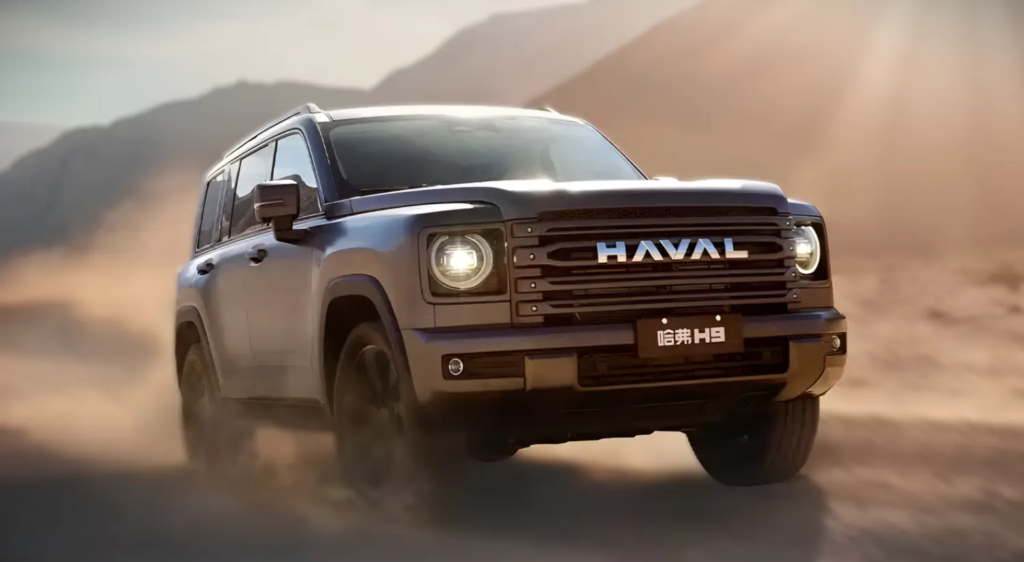
Haval Tank Series
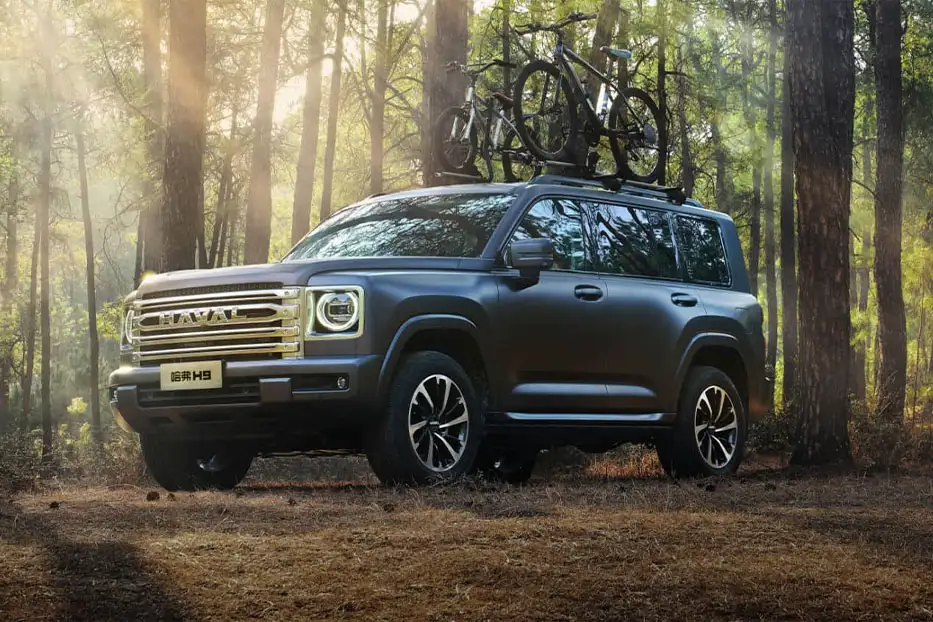
The Tank 300 and newer Tank SUVs changed public perception entirely. Suddenly, people stopped seeing Haval as “just another budget Chinese brand.”
The Tank series introduced rugged off-road styling similar to luxury adventure SUVs. Social media exploded with comparisons to the Jeep Wrangler and Ford Bronco.
That branding strategy worked brilliantly.
Are Haval Cars Reliable for Long-Term Use?
This is the question everyone asks first.
Here’s the honest answer. Haval reliability improved dramatically over the last few years, but ownership experience still depends heavily on local dealership support and spare parts availability.
Engine Performance
Most Haval SUVs use turbocharged petrol engines paired with automatic transmissions. The acceleration feels smooth and refined in city driving.
Hybrid variants perform even better in stop-and-go traffic.
One Haval owner I interviewed in Rawalpindi crossed 70,000 kilometers with minimal issues on his H6 HEV. His biggest complaint wasn’t engine reliability. It was delayed spare parts during accident repairs.
That distinction matters.
Maintenance Experience
Here’s what nobody tells you about modern SUVs. Reliability isn’t only about engines anymore. Software stability matters too.
Haval’s infotainment and driver assistance systems improved a lot after 2023 updates. Early software bugs frustrated some owners, but newer models feel more refined.
Still, Japanese brands maintain an advantage in long-term service networks.
That gap may shrink by 2027.
What Makes Haval Different From Toyota and Kia?
Haval’s biggest strength is perceived value.
Interior Technology
Step inside a Haval SUV and the first thing you notice is the interior presentation. Large digital displays, soft-touch materials, ambient lighting, and futuristic dashboards create a premium feel instantly.
Toyota interiors often prioritize practicality over visual excitement.
Haval took the opposite approach.
Safety Features
Modern Haval SUVs include advanced driver assistance systems such as:
- Blind spot monitoring
- Emergency braking
- Lane departure warning
- Adaptive cruise control
- Traffic sign recognition
- Driver fatigue monitoring
Many buyers discover these features only after test driving the car.
That creates emotional impact.
Is the Haval H6 Worth Buying in Pakistan?
For many buyers, yes.
But the answer depends on your priorities.
Fuel Average
The hybrid H6 performs impressively in urban traffic. Several Pakistani owners report strong fuel economy compared to traditional petrol SUVs.
Fuel prices continue rising globally. Hybrid efficiency matters more every year.
Road Performance
The suspension setup feels balanced between comfort and sportiness. Highway stability impressed me more than expected.
However, steering feedback still feels softer than some European SUVs.
That said, most family buyers will prefer comfort anyway.
Hidden Problems Most Reviews Ignore
Most YouTube reviews focus only on features. Real ownership tells a deeper story.
Spare Parts Availability
This remains one of Haval’s biggest challenges in developing markets.
Accident repairs can sometimes take longer than expected. Imported parts create delays.
Buyers should ask dealerships detailed questions before purchasing.
Resale Concerns
Toyota still dominates resale value in many countries. Haval resale continues improving, but uncertainty remains.
That’s the trade-off.
You often get more technology upfront but slightly less predictable resale value later.
Haval Price Comparison Table
| Model | Segment | Fuel Type | Best For |
|---|---|---|---|
| Haval H6 HEV | Mid Size SUV | Hybrid | Families |
| Haval Jolion | Compact SUV | Petrol | Young Drivers |
| Tank 300 | Off Road SUV | Petrol | Adventure Buyers |
| Haval Dargo | Urban SUV | Turbo Petrol | Daily Comfort |
Future of the Car Brand Haval
Here’s my prediction.
The car brand Haval will become even stronger over the next five years because global buyers increasingly prioritize technology over legacy branding.
Electric vehicles and hybrids are changing customer behavior fast. Haval already invested heavily in hybrid systems and smart vehicle platforms.
Traditional automakers can no longer rely purely on history.
Consumers want innovation now.
One automotive consultant at a Dubai motor show said something that stayed with me:
“The next generation of buyers won’t care where the car comes from. They’ll care how intelligent it feels.”
That perfectly describes Haval’s strategy.
Conclusion
The rise of the car brand Haval represents a larger transformation happening across the automotive industry. Buyers are no longer blindly loyal to traditional brands. They compare features, cabin quality, technology, hybrid efficiency, and overall driving experience more carefully than ever before.
Haval succeeded because it understood changing buyer expectations early. The company combined premium styling, advanced safety systems, hybrid efficiency, and aggressive pricing into one package. That combination disrupted the SUV market quickly.
The brand still faces challenges. Spare parts networks, resale value consistency, and long-term reliability perception remain important concerns. Yet the momentum feels real. Every year, more drivers shift toward feature-rich SUVs that offer strong value instead of relying only on historical brand reputation.
Five years ago, many people laughed at the idea of Chinese SUVs competing seriously with Japanese giants. In 2026, that conversation looks completely different.
The real question now is not whether Haval can compete.
It’s how quickly the competition can catch up.
FAQs
Is Haval a Chinese company?
Yes. Haval is owned by Great Wall Motors, one of China’s biggest vehicle manufacturers.
Does Haval offer hybrid SUVs?
Yes. Models like the Haval H6 HEV use hybrid technology for improved fuel efficiency and smoother urban driving.
Are Haval parts expensive?
Parts pricing varies by country. In some regions, imported parts can increase repair costs and waiting times.
Is Haval safe for families?
Most modern Haval SUVs include advanced safety systems such as adaptive cruise control, blind spot monitoring, and emergency braking.
Which Haval SUV is best?
The Haval H6 remains the most balanced option for families because it combines comfort, hybrid efficiency, modern technology, and strong road presence.
About the Author