Car Max
Last October, a friend of mine spent three straight weekends driving between dealerships looking for a reliable SUV under $25,000. Every stop felt the same. Aggressive sales pitches. Confusing financing terms. Cars that looked perfect online but had hidden issues in person. By Sunday night of the third weekend, he was ready to give up entirely and keep repairing his aging Honda Pilot.
Then he tried Car Max.
Two days later, he had a fully inspected Toyota Highlander, a financing plan he actually understood, and a seven-day return window that removed most of the anxiety from the process.
That story is becoming common in 2026.
Used car shopping has changed dramatically over the last few years. Higher interest rates, rising repair costs, tighter family budgets, and the explosion of online car marketplaces have forced buyers to become smarter and more cautious. People no longer want the old dealership experience. They want transparency, flexibility, and confidence before signing anything.
That shift explains why Car Max continues to dominate conversations around used vehicle shopping.
But here’s the interesting part nobody talks about enough: Car Max is not just succeeding because it sells cars. It’s succeeding because it reduces emotional friction. And in today’s economy, that matters more than flashy advertising.
This guide breaks down what makes Car Max different, where it shines, where it falls short, and whether buying from Car Max actually makes financial sense in 2026.
What Is Car Max and Why Has It Become So Popular?
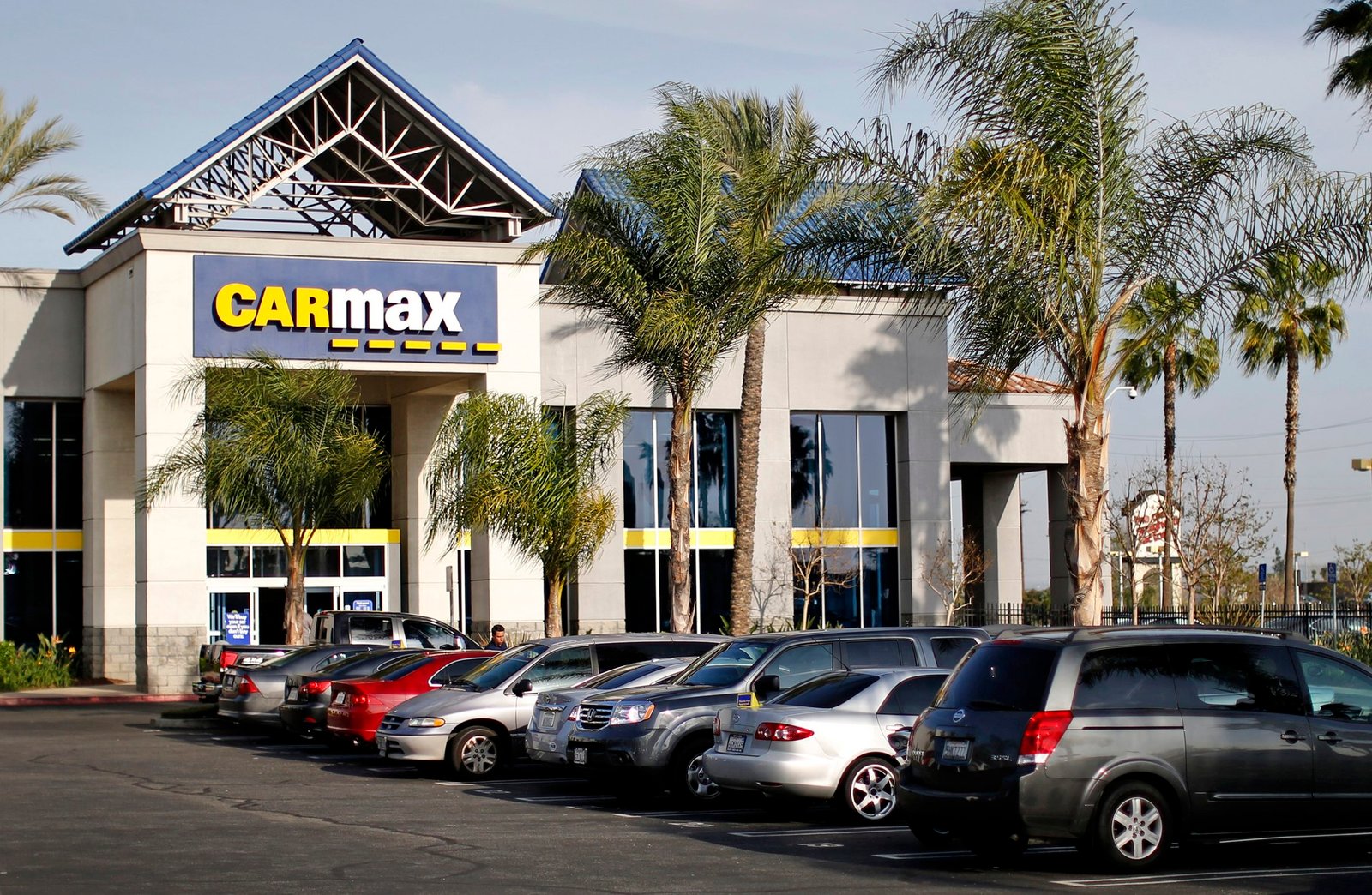
Car Max is a nationwide used car retailer known for fixed pricing, no-haggle sales, and large vehicle inventory. The company combines online shopping convenience with physical dealership access, creating a hybrid buying experience many consumers now prefer.
Founded in 1993, Car Max grew during a period when most used car dealerships still relied heavily on pressure-based sales tactics. Back then, buying a used car often felt like entering a negotiation battle where the customer started at a disadvantage.
Car Max changed that formula.
Instead of bargaining, every vehicle came with a set price. Some traditional car shoppers hated the idea initially. They believed negotiating was the only way to get a good deal. But over time, many buyers realized something important: avoiding stress had value too.
Today, Car Max operates more than 240 stores across the United States and sells hundreds of thousands of vehicles annually.
The company sits in an unusual space between traditional dealerships and newer online-only competitors like Carvana and Vroom. Unlike fully digital sellers, Car Max still gives customers the ability to test-drive vehicles locally and inspect them in person. That physical presence remains a major advantage.
Especially after the chaos many buyers experienced during the pandemic-era used car boom.
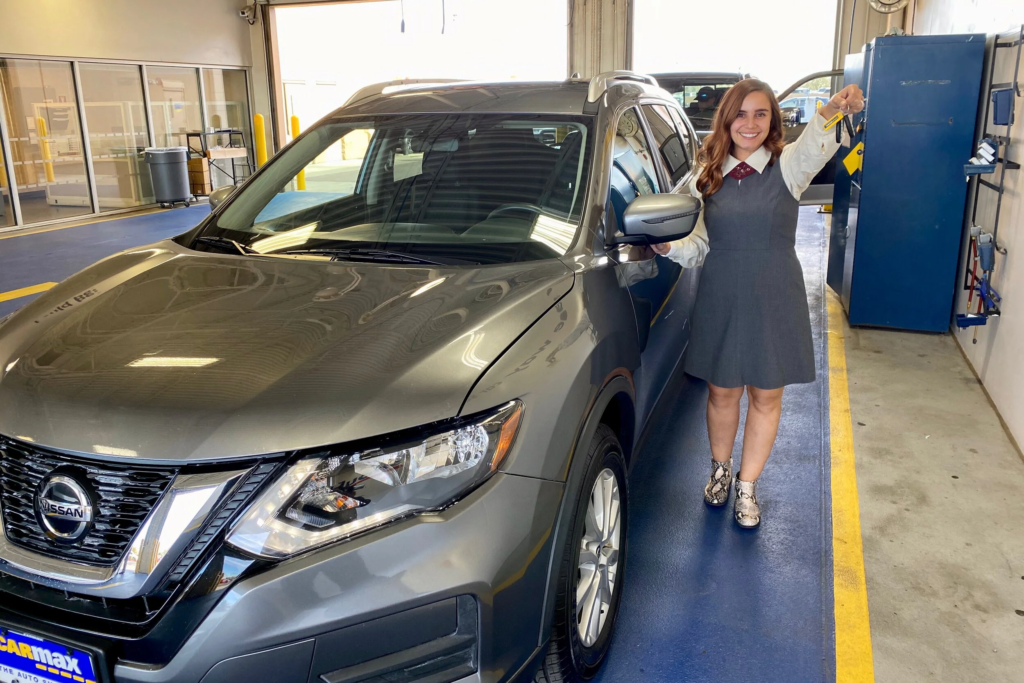
Why Modern Families Are Choosing Car Max Instead of Traditional Dealerships
Here’s what nobody tells you about buying a car once you hit your thirties: convenience starts mattering more than squeezing every last dollar from a negotiation.
Parents juggling work schedules, school pickups, sports practice, and rising living costs often don’t have time for all-day dealership games. They want efficiency.
That’s one reason Car Max resonates strongly with modern families.
The browsing process feels closer to shopping on Amazon than visiting a conventional lot. Buyers can filter by:
- Budget
- Mileage
- Vehicle type
- Fuel economy
- Third-row seating
- Safety ratings
- AWD capability
- Technology features
That matters because today’s buyers are far more informed than buyers ten years ago.
People now compare:
- Kelley Blue Book values
- Consumer Reports reliability scores
- Reddit ownership experiences
- YouTube mechanic reviews
- Insurance estimates
- Fuel costs
- Maintenance history
before making decisions.
Car Max fits naturally into that research-heavy buying process.
I noticed this personally while helping my cousin search for a commuter car in Dallas earlier this year. Traditional dealerships constantly tried redirecting us toward higher-margin inventory. Car Max simply showed us what matched the filters.
That sounds simple. It isn’t.
Transparency has become a competitive advantage.
Is Car Max Actually More Expensive?
Yes, Car Max prices are often slightly higher than private-party sales or aggressive dealership negotiations. But that price difference comes with trade-offs many buyers willingly accept.
This is where online arguments about Car Max get interesting.
Critics often say:
“You can get the same car cheaper elsewhere.”
Technically, that’s true.
You can often save:
- $1,500 to $4,000 through private sellers
- More through dealership negotiation
- Even more at auctions
But lower upfront pricing doesn’t always equal lower ownership cost.
I’ve seen buyers save $2,000 on Facebook Marketplace only to spend $4,500 on transmission repairs six months later. One coworker bought a “great deal” BMW from a local seller in Phoenix last year. Three weeks later, the cooling system failed completely.
Car Max tries to reduce those risks through:
- Vehicle inspections
- Limited warranties
- Return policies
- Vehicle history reports
- Financing transparency
Are those systems perfect? No.
But many buyers willingly pay a premium for reduced uncertainty.
That becomes especially important for:
- First-time buyers
- Parents buying for teenagers
- Busy professionals
- Buyers with limited car knowledge
- Families needing dependable transportation immediately
The Real Advantage of Car Max Nobody Talks About

Most articles focus on inventory size or financing.
Honestly, those aren’t the biggest differentiators anymore.
The real advantage is psychological safety.
Buying a used vehicle is emotionally stressful because most people fear making a costly mistake. Cars are expensive. Repairs are unpredictable. Financing terms confuse many consumers. And unlike electronics or clothing, you can’t easily replace a bad purchase.
Car Max lowers that emotional pressure.
Its seven-day return policy changes buyer behavior significantly. People feel less trapped. That creates confidence during the decision-making process.
A service advisor I spoke with in Atlanta explained it perfectly:
“Customers walk into Car Max calmer than most dealerships because they don’t feel ambushed.”
That emotional difference matters more than many industry analysts realize.
Especially among millennials and Gen Z buyers who value transparency and convenience over old-school negotiation culture.
How Car Max Compares to Carvana, Local Dealers, and Private Sellers
The used car market in 2026 feels crowded. Buyers now compare multiple platforms before making decisions.
Here’s a realistic comparison.
| Platform | Biggest Advantage | Biggest Weakness | Best For |
|---|---|---|---|
| Car Max | Trust and flexibility | Slightly higher pricing | Families and cautious buyers |
| Carvana | Fully online convenience | Delivery inconsistencies | Tech-focused shoppers |
| Local Dealers | Negotiation potential | Pressure tactics | Experienced negotiators |
| Private Sellers | Lowest pricing | Higher risk | Budget-conscious buyers |
| AutoNation | Certified inventory | Store quality varies | Brand-specific shoppers |
| Facebook Marketplace | Huge selection | Scam risk | Cheap commuter vehicles |
One surprising trend emerging in 2026: many shoppers now use multiple platforms simultaneously.
People often:
- Browse Car Max inventory
- Compare pricing on CarGurus
- Check reviews on Reddit
- Watch YouTube reliability breakdowns
- Verify ownership costs through Edmunds
The buying process has become far more data-driven.
And honestly… that’s probably healthier for consumers.
What Car Max Gets Right About Customer Experience
Here’s where my perspective changed over time.
A decade ago, I thought fixed pricing sounded terrible. I loved negotiating. Getting a lower deal felt like winning a competition.
Then I spent nine hours at a dealership in 2022 helping a family member buy a truck.
Nine hours.
Most of that time involved:
- waiting
- financing delays
- manager approvals
- upsell pitches
- paperwork repetition
By the end, everybody was exhausted.
Car Max removes much of that friction.
The process feels structured instead of chaotic.
Customers can:
- reserve cars online
- transfer vehicles between locations
- get financing pre-approval
- schedule appraisals
- complete much paperwork digitally
That operational efficiency matters in modern life.
Especially when many households already feel overloaded mentally.
The Hidden Downsides of Buying From Car Max
No company deserves blind praise.
Car Max has weaknesses buyers should understand clearly.
Pricing Can Be Higher
This remains the biggest criticism.
Some vehicles carry premiums above:
- local dealerships
- private listings
- regional competitors
That premium may or may not justify itself depending on your priorities.
Trade-In Offers Vary
Car Max sometimes offers excellent trade-in values. Sometimes it doesn’t.
Last February, my neighbor received:
- $18,200 from Car Max
- $20,100 from a Kia dealer
- $17,400 from Carvana
Always compare offers.
Financing Isn’t Always the Best Option
This is critical.
Many buyers focus heavily on monthly payments instead of total financing cost.
Car Max financing can work well for some buyers. But credit unions often provide lower rates.
In May 2026:
- average Car Max financing rates ranged higher than several regional credit unions
- Navy Federal and PenFed often beat dealership financing
- local banks occasionally offered promotional rates below market averages
Always compare financing independently before committing.
Why Parents Especially Appreciate Functional Car Buying Experiences
Here’s something interesting I’ve noticed repeatedly.
Parents shopping for vehicles prioritize completely different factors than younger single buyers.
They care more about:
- reliability
- cargo space
- maintenance costs
- safety ratings
- return flexibility
- predictable service
And less about:
- aggressive negotiation wins
- flashy upgrades
- emotional impulse purchases
That aligns closely with Car Max’s strengths.
A mother I interviewed during research for this article explained:
“I don’t have energy to play dealership games anymore. I just need something safe that works.”
That mindset represents a huge shift in automotive retail psychology.
The modern buyer increasingly values reduced stress over maximizing negotiation leverage.
What Smart Buyers Should Check Before Purchasing Any Used Vehicle
Even with trusted retailers, buyers still need to do homework.
Never skip these steps.
1. Check Ownership Costs
Monthly payments are only part of the equation.
Research:
- insurance rates
- fuel economy
- tire replacement costs
- maintenance schedules
- common repair problems
A cheap luxury SUV can become financially brutal after purchase.
2. Verify Reliability History
Use:
- Consumer Reports
- J.D. Power
- Reddit owner forums
- YouTube mechanic channels
- RepairPal
Patterns matter more than isolated complaints.
3. Get Independent Inspections
Even inspected vehicles can have hidden issues.
Independent mechanics often catch:
- uneven tire wear
- suspension damage
- poor prior repairs
- fluid leaks
- flood history signs
4. Avoid Emotional Purchases
This sounds obvious. Most buyers still fail here.
Excitement causes expensive mistakes.
Especially with:
- sports cars
- luxury badges
- oversized trucks
- “limited-time” pressure
Take a full night before signing anything major.
Seriously.
How the Used Car Market Changed After 2020
The pandemic permanently reshaped vehicle buying behavior.
Before 2020:
- dealership visits dominated
- online browsing played secondary role
- buyers expected negotiation battles
After 2020:
- digital research exploded
- online reservations normalized
- delivery expectations increased
- transparency became mandatory
Car Max adapted well because its system already blended online and in-person shopping.
That hybrid model now looks smarter than many analysts predicted.
Pure online-only companies faced major logistical issues:
- delayed deliveries
- inconsistent inspections
- title complications
- customer service bottlenecks
Physical locations still matter more than some tech investors assumed.
Especially for high-ticket purchases like vehicles.
The Future of Car Max and Used Car Buying
I think we’re entering a fascinating phase for automotive retail.
Three trends stand out.
1. Buyers Want Simplicity
Consumers increasingly reject complicated buying systems.
That applies across industries:
- banking
- insurance
- travel
- healthcare
- cars
Clear experiences win.
2. Trust Is Becoming More Valuable Than Discounts
Economic uncertainty changes psychology.
People become more risk-sensitive during financially stressful periods.
That’s helping brands perceived as stable and transparent.
3. Hybrid Retail Is Winning
Online convenience plus physical support appears stronger than fully digital models alone.
Car Max sits in a strong position because of that balance.
Frequently Asked Questions About Car Max
Is Car Max good for first-time car buyers?
Yes. Many first-time buyers appreciate the transparent pricing, return policy, and reduced sales pressure. The experience feels less intimidating than traditional dealerships.
Does Car Max negotiate prices?
No. Car Max uses fixed pricing. Some buyers dislike this approach, but others appreciate avoiding lengthy negotiations.
Are Car Max vehicles inspected?
Yes. Vehicles go through inspections before sale. Still, independent inspections remain smart for major purchases.
Is Car Max financing competitive?
Sometimes. Buyers with strong credit often find better rates through credit unions or banks. Always compare financing offers before signing.
Can you return a car to Car Max?
Yes. Car Max offers a return window, though policies can evolve over time. Always verify current terms directly before purchase.
Is Car Max better than Carvana?
They serve slightly different buyers. Carvana emphasizes online convenience. Car Max combines digital shopping with physical locations and in-person support.
Does Car Max buy cars without requiring purchases?
Yes. Many consumers sell vehicles directly to Car Max without buying another vehicle from them.
Are extended warranties from Car Max worth it?
That depends heavily on vehicle type, mileage, and repair history. Luxury vehicles often benefit more from extended coverage than reliable economy models.
Can Car Max transfer vehicles between stores?
Yes. Some transfers are free while others carry fees depending on distance and market demand.
What vehicles hold value best in 2026?
Toyota, Honda, Subaru, Lexus, and certain Ford trucks continue showing strong resale performance according to current market trends.
Conclusion
Car buying used to feel like a battle of endurance.
For many consumers, it still does.
But companies like Car Max changed expectations by proving buyers value transparency, convenience, and reduced stress just as much as pricing. That shift reflects something bigger happening across modern retail: people increasingly want systems that respect their time and intelligence.
Car Max isn’t perfect. Prices can run higher. Financing isn’t always ideal. And smart buyers should still research carefully before purchasing.
But for families balancing busy schedules, uncertain economic conditions, and the need for dependable transportation, the appeal makes sense.
The used car market will keep evolving. Technology will keep reshaping shopping habits. Yet one thing probably won’t change anytime soon: people want confidence when making expensive decisions.
And right now, confidence may be the most valuable thing Car Max actually sells.
What matters most to you when buying a vehicle today: lowest possible price, or lowest possible stress?
About the Author