How to Change Car Air Filter: A Complete Step-by-Step Guide for Every Car Owner
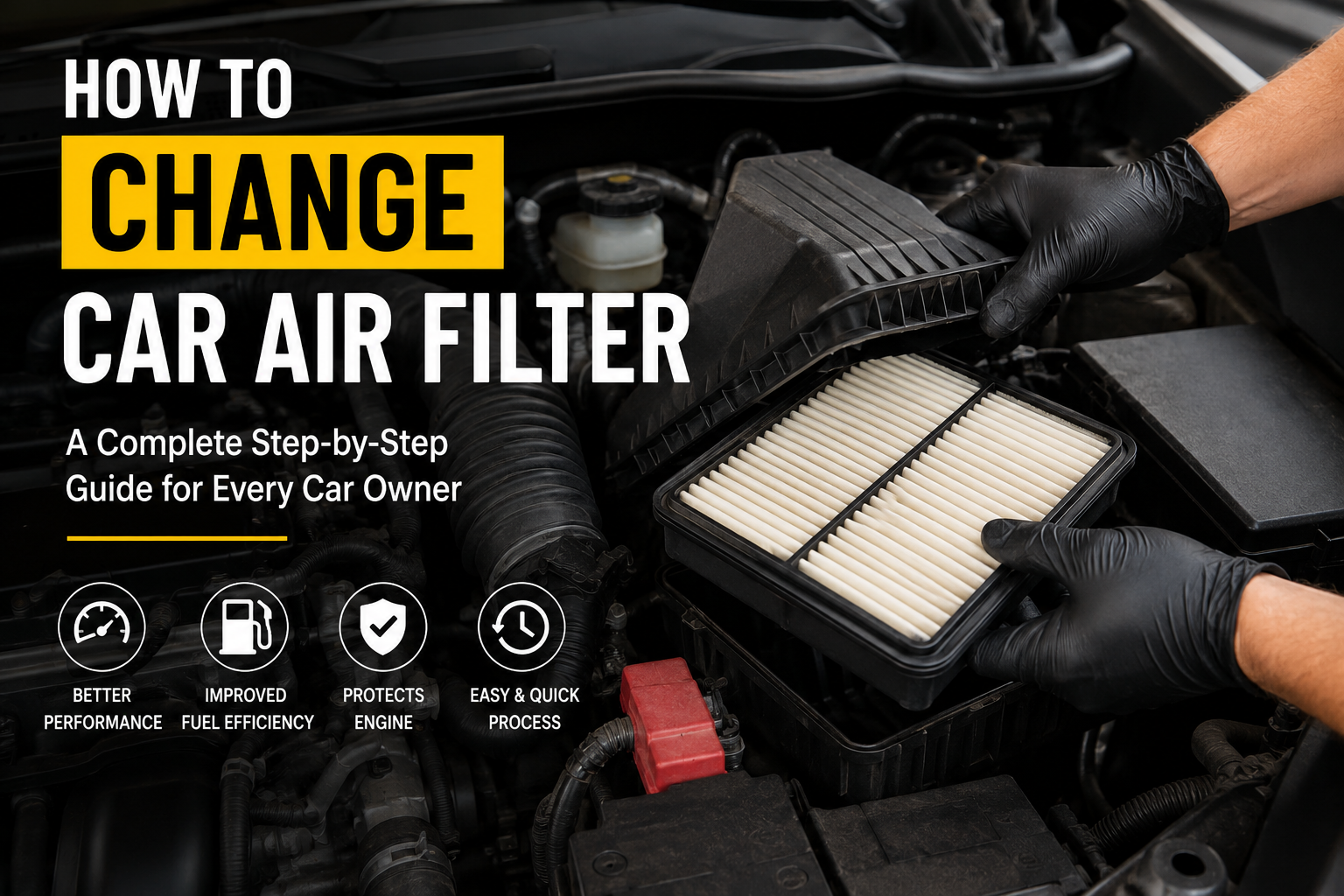
Do you know that a dirty air filter can seriously reduce your car’s performance and fuel efficiency? Learning how to change car air filter at home is one of the simplest and most cost-effective maintenance tasks any car owner can master. You do not need expensive tools or professional mechanical skills to get it done right. In fact, the entire process takes less than 15 minutes. In this complete guide, you will learn everything, from understanding what an air filter does to replacing it confidently on your own.
What Is a Car Air Filter and What Does It Do?
A car air filter, also called an engine air filter or automotive air filter, is a critical component of your vehicle’s engine system. Its primary job is to block dust, dirt, debris, and other airborne contaminants from entering the engine. According to Wikipedia’s article on air filters, air filters are essential in internal combustion engines to protect moving engine parts from abrasive particles that cause premature wear and damage.
Without a properly functioning vehicle air filter, harmful particles enter the engine and cause serious long-term damage. Moreover, a clogged or dirty engine air filter forces the engine to work much harder, which directly reduces fuel economy and overall performance.
Why Changing Your Car Air Filter Matters
Improved Engine Performance
A clean car engine air filter allows the right amount of fresh air to flow freely into the engine. As a result, your engine breathes better and delivers noticeably stronger performance. On the other hand, a clogged automotive air filter restricts airflow and causes the engine to struggle unnecessarily.
Better Fuel Efficiency
One of the biggest benefits of knowing how to replace a car air filter is improved gas mileage. When the engine receives proper airflow, it burns fuel more efficiently. Consequently, you spend less money at the gas pump every single week.
Extended Engine Life
Replacing your dirty car air filter on time actively protects the engine’s internal components from abrasive damage. Therefore, regular air filter replacement directly contributes to a longer and healthier engine life overall.
Reduced Emissions
A clean vehicle engine air filter helps the engine burn fuel completely and cleanly. As a result, your car produces fewer harmful emissions, which is better for the environment and helps you pass emission tests without any issues.
How Often Should You Change Your Car Air Filter?
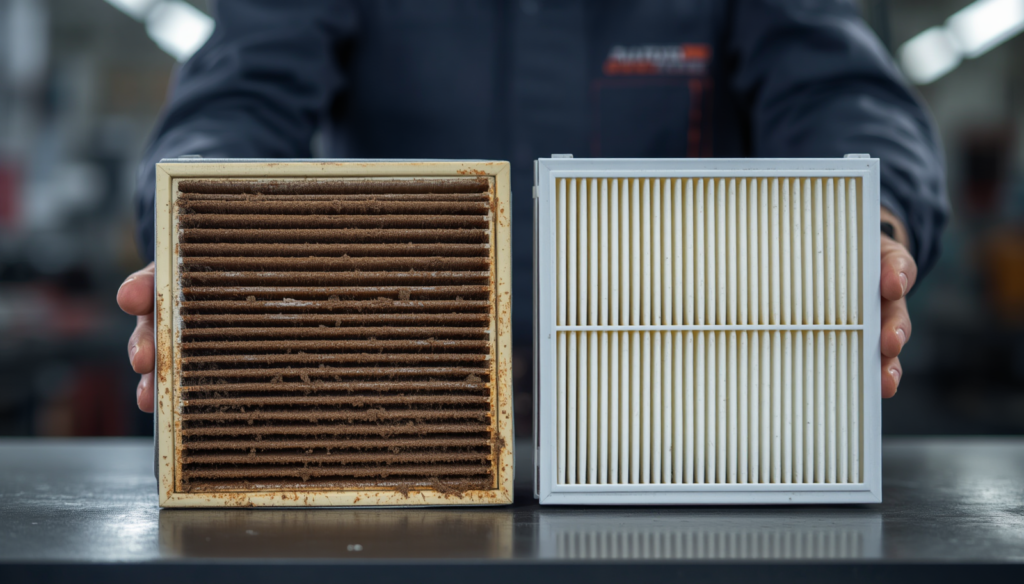
Most automotive experts and manufacturers recommend changing your car’s air filter every 15,000 to 30,000 miles. However, this interval varies depending on several important factors:
- Driving environment: If you frequently drive on dusty, unpaved, or heavily polluted roads, your engine air filter gets dirty much faster than average.
- Vehicle type: Some engines consume more air and require more frequent air filter changes.
- Filter quality: Higher-quality automotive air filters generally last longer between replacements.
- Manufacturer recommendation: Always check your vehicle’s owner manual for the exact car air filter replacement interval specific to your model.
As a general rule, inspect your car air filter every 12 months or 12,000 miles, whichever comes first. If it looks grey, clogged, or heavily soiled, replace it immediately without waiting for the scheduled interval.
Tools and Supplies You Need to Change a Car Air Filter
Before starting the car air filter replacement process, gather these basic tools and supplies:
- A new replacement car air filter (matching your vehicle’s make, model, and year)
- A flathead or Phillips screwdriver
- A socket wrench set
- A clean, dry cloth or soft brush
- Your vehicle’s owner manual
Always purchase the correct engine air filter for your specific vehicle. You can find the right part number in your owner’s manual or by searching your car’s details at any auto parts store.
How to Change a Car Air Filter: Step-by-Step Instructions
Step 1: Turn Off the Engine and Open the Hood
Safety always comes first. Turn off your engine completely and let it cool down for a few minutes before touching anything under the hood. Then pull the hood release lever inside the car and prop the hood open securely using the support rod.
Step 2: Locate the Air Filter Housing
The car air filter housing is typically a large black plastic box located near the top of the engine. It connects directly to a large air duct or intake hose. If you are unsure of its exact location, refer to your vehicle’s owner’s manual for a clear diagram.
Step 3: Open the Air Filter Box
Most air filter housings are held in place by metal clips, plastic tabs, or screws. Carefully unclip or unscrew all fasteners around the housing lid. Then gently lift the lid off to expose the old car air filter sitting inside.
Step 4: Remove the Old Air Filter
Carefully lift the dirty engine air filter out of the housing. Pay close attention to how it sits inside the box, and note its exact orientation so you can install the new one correctly. Hold the old filter away from the engine to avoid dropping debris inside.
Step 5: Clean the Air Filter Housing
Before installing the new replacement air filter, use a clean, dry cloth or soft brush to wipe away any dust, dirt, or debris inside the housing. This small step ensures your new car air filter starts working in a perfectly clean environment.
Step 6: Install the New Car Air Filter
Place the new engine air filter carefully into the housing in the exact same orientation as the old one. Make sure it sits flat and fits snugly inside the box with no gaps around the edges. A properly seated air filter creates a tight seal that blocks all contaminants effectively.
Step 7: Close and Secure the Air Filter Housing
Firmly replace the housing lid and reattach all clips, tabs, or screws that you removed earlier. Make sure everything is tightly secured before closing the hood. A loose housing lid can allow unfiltered air to bypass the car air filter entirely.
Step 8: Start the Engine and Verify
Start your engine and let it run for a minute or two. Listen carefully for any unusual sounds. If everything sounds normal and smooth, you have successfully completed the car air filter change process. Congratulations, you just saved money on a simple but important maintenance task.
Signs That Your Car Air Filter Needs Immediate Replacement
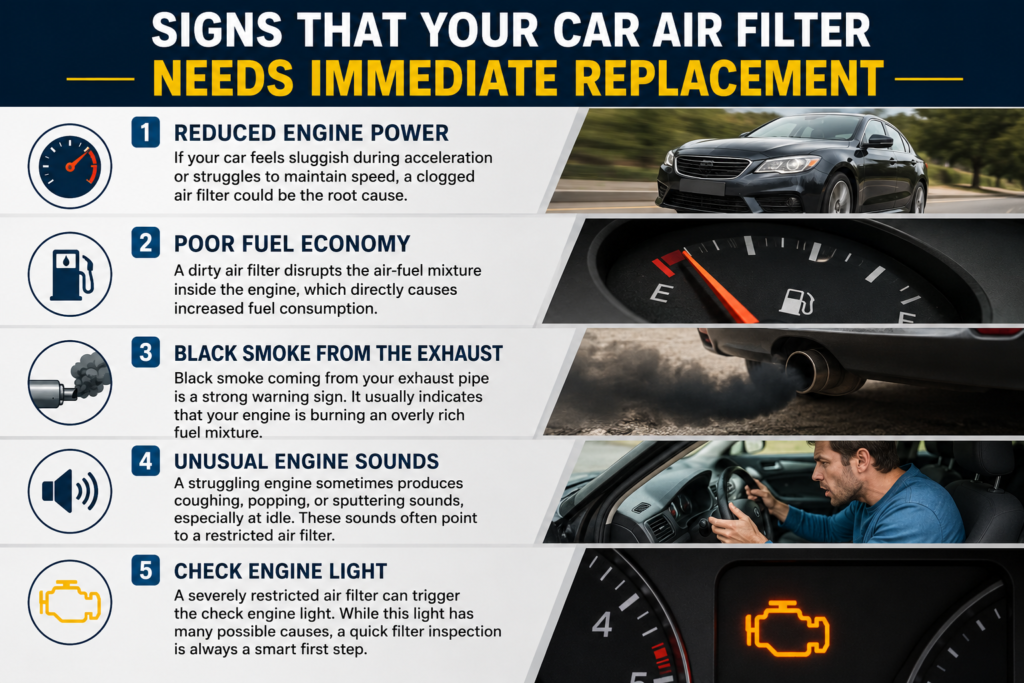
Reduced Engine Power
If your car feels sluggish during acceleration or struggles to maintain speed, a clogged automotive air filter could be the root cause. Replacing it immediately often restores noticeable engine power.
Poor Fuel Economy
Noticing more frequent trips to the gas station lately? A dirty engine air filter disrupts the air-fuel mixture inside the engine, which directly causes increased fuel consumption. Therefore, timely air filter replacement can genuinely save you money.
Black Smoke from the Exhaust
Black smoke coming from your exhaust pipe is a strong warning sign. It usually indicates that your engine is burning an overly rich fuel mixture, often caused by insufficient airflow through a severely clogged car air filter.
Unusual Engine Sounds
A struggling engine sometimes produces coughing, popping, or sputtering sounds, especially at idle. These sounds often point directly to a restricted vehicle air filter that is suffocating the engine’s air supply.
Check Engine Light
In some modern vehicles, a severely restricted engine air filter can trigger the check engine light. While this light has many possible causes, a quick filter inspection is always a smart and easy first step.
How to Choose the Right Replacement Car Air Filter
OEM vs Aftermarket Air Filters
An OEM (Original Equipment Manufacturer) car air filter is made specifically for your vehicle and guarantees a perfect fit. Aftermarket filters are often cheaper and sometimes even better in performance. Both are valid choices depending on your budget and preferences.
Paper vs High-Performance Air Filters
Standard paper air filters are affordable and effective for everyday driving. High-performance filters, such as oiled cotton gauze filters, offer better airflow and are reusable after cleaning. However, they cost more upfront.
Trusted Brands to Consider
Several well-known brands manufacture reliable automotive air filters, including K&N, Fram, Bosch, Mann-Filter, and Purolator. Always choose a reputable brand and verify compatibility with your specific vehicle before purchasing.
Car Air Filter Replacement Cost: DIY vs Professional
Doing the car air filter change yourself costs only the price of the filter, which typically ranges between $10 and $30, depending on the brand and vehicle type. On the other hand, taking your car to a dealership or mechanic for the same job can cost anywhere from $50 to $100, including labour charges.
This is exactly why learning how to change a car air filter at home is such a smart financial decision. The task is genuinely simple, and the savings add up significantly over time.
Speaking of smart car decisions, whether you are buying a new vehicle or upgrading from your current one, working with reliable used car dealerships can help you find great value without overspending. Just like regular air filter maintenance keeps your car running smoothly, choosing the right dealership keeps your entire car-buying experience stress-free.
Common Mistakes to Avoid During Car Air Filter Replacement
Installing the filter incorrectly. Always double-check the orientation of your new engine air filter before closing the housing. An incorrectly installed filter can allow unfiltered air to enter the engine directly.
Skipping the housing cleaning step. Never install a new car air filter into a dirty housing. Always wipe the inside clean before placing the new filter in.
Buying the wrong filter size. Always verify the correct part number for your vehicle before purchasing any replacement air filter. The wrong size will not seal properly and will fail to protect your engine.
Ignoring manufacturer recommendations. Always follow your vehicle manufacturer’s recommended air filter replacement schedule. Waiting too long between changes causes avoidable engine damage and reduced performance.
Conclusion
Now that you know exactly how to change car air filter step by step, there is no reason to pay a mechanic for this simple task ever again. Regular engine air filter replacement protects your engine, improves fuel efficiency, boosts performance, and ultimately saves you real money over time. The process is quick, straightforward, and completely beginner-friendly. Make car air filter maintenance a regular part of your vehicle care routine, and your engine will reward you with years of smooth and reliable performance. Check your filter today, your car will genuinely thank you for it.