Best Affordable Electric Cars in 2026 for US Buyers: Prices, Range, and Real Ownership Costs
Introduction
Shopping for an electric car in the United States in late 2026 feels very different from shopping two years ago. The $7,500 federal tax credit for new electric vehicles ended on September 30, 2025, so the price on the window sticker is now much closer to the price you actually pay. At the same time, automakers have cut prices on several mainstream models, and new affordable models have arrived with more than 250 miles of range.
That combination makes 2026 a good year to buy carefully, but a bad year to buy on headline price alone. A car that looks cheap can cost more over five years if it charges slowly, needs expensive tires, or forces you to use costly public fast charging every week. A slightly more expensive car with fast charging, a long warranty, and good efficiency can save you real money.
This guide focuses on affordable electric cars for US buyers in October 2026. It uses starting manufacturer suggested retail prices, EPA estimated range where available, and the ownership costs that matter most: charging, maintenance, tires, and insurance. Prices exclude destination charges, taxes, and dealer fees unless stated otherwise, because those charges vary by state and dealer.
What Changed in 2026
Three changes drive the 2026 market. First, the federal tax credit is gone, so buyers can no longer count on $7,500 back at tax time. A federal deduction for auto loan interest of up to $10,000 per year may apply for qualifying US assembled vehicles, but it reduces taxable income rather than cutting the purchase price, so it helps some buyers and does not help others at all.
Second, average prices are still high, but the affordable end of the market has improved. Kelley Blue Book reported an average new electric vehicle transaction price of $55,879 in September 2026, down about 3 percent from a year earlier. That average is pulled up by luxury models. The models in this guide start far below that average, and several start under $40,000.
Third, gasoline prices have made efficiency matter again. AAA reported an average US gasoline price of $4.33 per gallon on October 15, 2026, up from $3.06 a year earlier. At that price, a driver covering 15,000 miles a year in a gas car that gets 30 miles per gallon spends about $2,165 a year on fuel. A home charged electric car at typical US residential electricity rates can cost less than half that amount for the same miles, before maintenance savings.
Cox Automotive reported that electric vehicles were about 6.4 percent of US new vehicle sales in the third quarter of 2026, up from 5.8 percent in the second quarter. Tesla still dominates the list, but Hyundai, Chevrolet, Nissan, Toyota, and Kia now give buyers real choices under $45,000.
The Short List for Most US Buyers
If you want one short list, start here. These are the affordable models that balance price, range, charging speed, warranty, and dealer support for most US drivers in 2026.
The Tesla Model Y starts at $39,990 and remains the best selling electric car in the United States, with more than 262,000 units sold through the third quarter of 2026 according to Cox Automotive data reported by USA Today. It offers strong range, access to the Supercharger network, and a large service network. Its weakness is ride comfort and a higher insurance cost than some rivals.
The Hyundai Ioniq 5 starts at about $35,250 in some listings and about $35,000 in others, with up to 318 miles of EPA range on higher trims. It charges from 10 to 80 percent in about 18 minutes on a 350 kilowatt fast charger, which is a major advantage on road trips. Hyundai also offers a strong warranty, which matters for a car you plan to keep for five years or more.
The Chevrolet Equinox EV starts at $34,995, offers 319 miles of EPA range, and gives buyers a familiar SUV shape with a large dealer network. For families who want an electric SUV without luxury pricing, it is one of the most practical choices in this guide.
The Nissan Leaf starts at $29,990 for the 2026 model, with up to 303 miles of range. It is best for commuters who charge at home and do not need the fastest road trip charging. Its lower price makes it easy to justify if your daily drive is under 80 miles.
The 2027 Chevrolet Bolt starts at $27,600 plus destination, with 262 miles of range. It is the cheapest new electric car in this guide. It works best as a second car, a commuter car, or a first electric car for a buyer who wants low purchase cost above all else.
Price and Range Comparison
| Model | Starting price | Range | Notes |
|---|---|---|---|
| 2027 Chevrolet Bolt | $27,600 plus destination | 262 miles | Lowest purchase price |
| 2026 Nissan Leaf | $29,990 | Up to 303 miles | Affordable commuting |
| Chevrolet Equinox EV | $34,995 | 319 miles | Affordable electric SUV |
| Hyundai Ioniq 5 | About $35,250 | Up to 318 miles | Fast charging and warranty |
| Tesla Model Y | $39,990 | Up to 357 miles on some trims | Road trips and charging network |
| Toyota C-HR EV | $37,080 | 287 miles | Standard all wheel drive |
| 2027 Kia EV6 | $37,900 plus $1,545 destination | Varies by trim | Balanced crossover value |
Newer models are also worth watching, even if they are not the cheapest picks today. The Rivian R2 starts at $44,990 with an estimated 275 miles of range, and a performance version is priced at $57,990 with 330 miles of range and 656 horsepower. The Subaru Trailseeker starts at $39,995 with 274 to 281 miles of EPA range and standard all wheel drive. These models are slightly above the affordable core of this guide, but they show where the market is heading: more range, more standard all wheel drive, and less reliance on incentives to make the price work.
Charging: The Cost Most Buyers Underestimate
Charging cost is where many buyers make their biggest mistake. Home charging in the United States typically costs $0.13 to $0.17 per kilowatt hour. Public DC fast charging typically costs $0.28 to $0.48 per kilowatt hour, or roughly two to three times as much.
If you drive 15,000 miles a year in an electric car that uses 0.30 kilowatt hours per mile, you need about 4,500 kilowatt hours a year. At $0.15 per kilowatt hour at home, that is about $675 a year. At $0.40 per kilowatt hour on public fast chargers, it is about $1,800 a year. That $1,125 difference every year can erase the savings from a cheaper car in just two or three years.
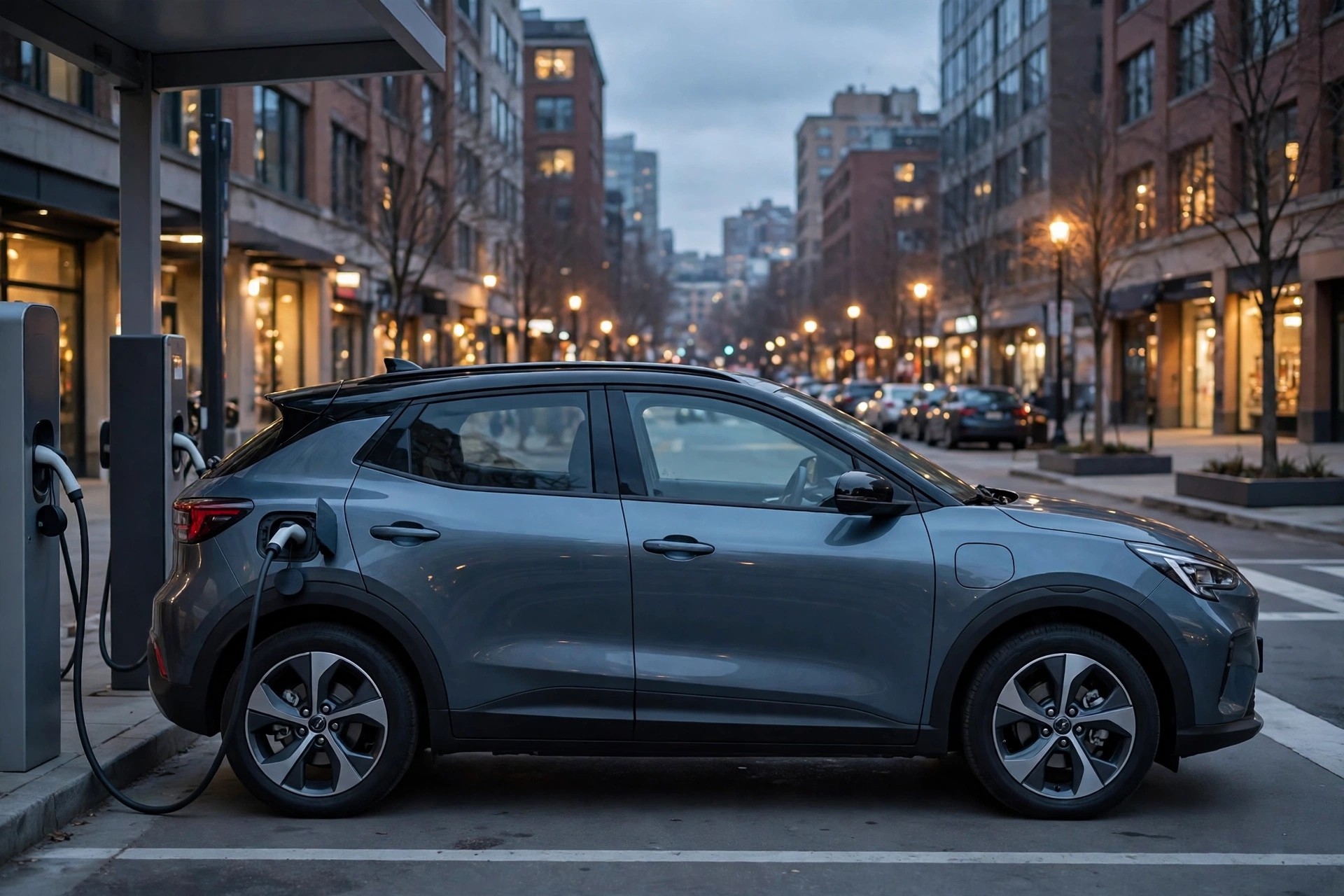
Before you buy, check three things. First, can you charge at home, at work, or at a low cost overnight location at least four nights a week? Second, does the car use the North American Charging Standard, or NACS, so you can use Tesla Superchargers as well as other networks? Most 2026 models now use NACS or offer an adapter. Third, how fast does the car actually charge from 10 to 80 percent on a road trip, not just its peak kilowatt rating? A car that holds a high charging rate for longer will save you more time than a car with a high peak that drops quickly.
Winter also matters. In cold weather below 20 degrees Fahrenheit, expect range to fall by 15 to 25 percent even on models with a heat pump. If you live in Minnesota, Michigan, or another cold state, plan for that loss, precondition the battery while plugged in, and choose a model with at least 280 miles of EPA range if you regularly drive more than 150 miles in winter.
Real Ownership Costs Beyond the Sticker Price
Electric cars usually cost less to maintain than gas cars, but they are not free to maintain. US Department of Energy data cited in 2026 buyer guides puts electric vehicle maintenance at about $0.061 per mile, compared with about $0.101 per mile for gas cars. Over five years at 15,000 miles a year, that is roughly $3,000 in maintenance savings before energy costs.
Tires are the exception. Electric cars are heavy and deliver instant torque, so tires wear faster than many first time buyers expect. Budget for a full set of tires every 30,000 to 45,000 miles, and check tire prices for your exact model before you buy. A model with common tire sizes will cost much less to keep on the road than a model with rare, large tires.
Insurance is the second surprise. Electric cars can cost more to insure because battery repairs and body repairs are expensive, and some models have limited repair networks. Get insurance quotes for your top two or three models before you sign, and compare the same coverage levels. A $3,000 price advantage can disappear if one model costs $600 more per year to insure.
Brakes last longer on electric cars because regenerative braking does most of the slowing, but brakes still need inspection, fluid changes, and occasional pad and rotor work, especially in rust belt states. For a clear view of what brake work costs in 2026, read our guide to how much a brake job costs in 2026.
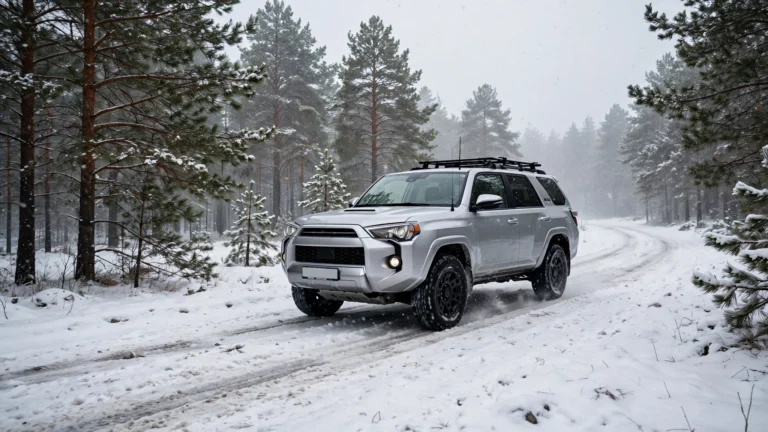
Winter preparation also affects ownership cost. Cold weather, road salt, and short days punish a weak battery and worn tires. A simple winter checklist can prevent a dead battery on a cold morning and a slide on an icy road. See our complete guide to how to winterize your car before the first freeze in your area.
Who Should Not Buy an Electric Car Yet
Honesty helps buyers more than hype. An electric car is a poor fit in a few specific situations. If you live in an apartment with no assigned parking and no workplace charging, you will rely entirely on public charging, which costs two to three times more than home charging and turns a convenience into a chore. If you regularly tow heavy loads over long distances, expect range to fall by 40 to 50 percent while towing. If you drive fewer than about 5,000 miles a year, fuel savings may never overcome the higher purchase price and insurance premium.
Everyone else, and that is most US drivers, will find that the 2026 affordable models remove most objections that were valid in 2022. Range is higher, charging is faster, prices are lower at the affordable end, and the Supercharger network is now open to most brands.
How to Choose in One Weekend
Use this simple test. On Saturday, list your real driving: daily commute miles, longest regular trip, home charging access, and budget including insurance. On Sunday, test drive your top two models back to back, on the same roads, with the same passengers and cargo you normally carry. Check rear seat room, cargo space with your stroller or work gear, phone charging, driver assistance features, and how the car feels at highway speed, not just in a parking lot.
Then check official fuel economy and range figures before you sign. The US Department of Energy fuel economy site lets you compare electric cars side by side on range, energy use, and annual fuel cost. Use that data, not a dealer estimate, as your final check. See the official comparison tool at FuelEconomy.gov.
Ask the dealer for the out the door price in writing, including destination, taxes, dealer fees, and any required add ons. Ask about the battery warranty separately from the vehicle warranty, because battery coverage is what protects you from the most expensive repair. Ask whether software updates, charging adapters, and a mobile connector are included, because those items can add hundreds of dollars if bought later.
Final Recommendation
For most US buyers in late 2026, the best affordable electric car is the Hyundai Ioniq 5 if you value fast charging and warranty, the Chevrolet Equinox EV if you want an affordable SUV, and the Tesla Model Y if you road trip often and want the largest charging network. For the lowest purchase price, the 2027 Chevrolet Bolt and the 2026 Nissan Leaf are hard to beat, as long as you charge at home and do not need the fastest road trip charging.
Do not buy on price alone. Buy on total cost: purchase price plus charging, tires, insurance, and warranty over the years you will actually keep the car. On that test, the affordable electric cars of 2026 finally make sense for a large number of US drivers, even without the federal tax credit.

What is the cheapest new electric car in the US in 2026?
The 2027 Chevrolet Bolt starts at $27,600 plus destination, with 262 miles of range, making it the cheapest new electric car in this guide.
Is the $7,500 federal EV tax credit still available in 2026?
No. The federal tax credit for new electric vehicles ended on September 30, 2025. A federal auto loan interest deduction of up to $10,000 per year may apply for qualifying US assembled vehicles, but it does not cut the purchase price directly.
How much range do I need for daily driving in the US?
Most US drivers cover about 37 miles per day, so a 250 mile electric car charged at home covers roughly a week of normal driving. Choose at least 280 miles of EPA range if you regularly drive more than 150 miles in winter or cannot charge at home.
Is home charging really cheaper than public fast charging?
Yes. Home charging typically costs $0.13 to $0.17 per kilowatt hour, while public DC fast charging typically costs $0.28 to $0.48 per kilowatt hour, or roughly two to three times as much.
Which affordable electric car is best for road trips in 2026?
The Tesla Model Y and Hyundai Ioniq 5 are the strongest road trip picks in this price range, thanks to fast charging and broad charging network access, with the Model Y starting at $39,990 and the Ioniq 5 offering about 18 minute 10 to 80 percent charging on a 350 kilowatt charger.