How Much Does a Windshield Replacement Cost in 2026? Prices, Insurance, and When to Repair vs Replace for US Drivers
A cracked windshield is one of those problems that starts small and gets expensive fast. A chip the size of a dime can spread across the whole glass after one cold morning or one hard bump on the highway, and once it spreads, repair is no longer an option. The good news is that windshield replacement is one of the most common car repairs in the US, which means prices are competitive and most drivers have more choices than they think.
In this guide, we break down what a windshield replacement really costs in 2026, what pushes the price up or down, how insurance works, and how to decide between a repair and a full replacement.
How Much Does a Windshield Replacement Cost in 2026?
For most standard cars, a windshield replacement in the US costs between $200 and $500 in 2026, including parts and labor. That range covers the majority of sedans, hatchbacks, and small SUVs using aftermarket glass.
| Vehicle Type | Typical Windshield Replacement Cost (2026) |
|---|---|
| Compact sedan or hatchback | $200 to $350 |
| Midsize sedan or SUV | $300 to $500 |
| Full-size truck or large SUV | $400 to $700 |
| Luxury car (BMW, Mercedes, Audi) | $600 to $1,200 |
| Electric vehicle (Tesla, Rivian) | $800 to $1,500 |
| With ADAS camera recalibration | Add $150 to $400 |
These are national averages. Prices vary by state, by shop, and by whether you choose original equipment manufacturer (OEM) glass or aftermarket glass. In states with a lot of competition between glass shops, prices at the low end are common. In rural areas with fewer shops, you may pay closer to the top of the range. Like how much does a tire replacement cost, the final price depends on your vehicle and the parts used.
A mobile service, where the technician comes to your home or office, usually costs about the same as an in-shop replacement. Some shops charge a small mobile fee of $25 to $50, while others include it free to win your business.
What Affects the Price of a Windshield Replacement?
Not every windshield costs the same. Here are the factors that move your quote up or down.
1. Your Vehicle’s Make and Model
This is the biggest factor. A windshield for a Honda Civic is mass produced and easy to find, so it costs less. A windshield for a newer luxury SUV or a low volume model costs more because the glass is rarer and often has to be ordered. Electric vehicles are at the top of the price range because their windshields are larger, often acoustic laminated, and sometimes only available from the manufacturer.
2. OEM Glass vs Aftermarket Glass
OEM glass is made by the same manufacturer that supplied your car’s original windshield, and it carries the carmaker’s logo. Aftermarket glass is made by a third party to the same size and safety standards. Aftermarket glass usually costs 30 to 40 percent less and is perfectly safe when it meets federal safety standards. OEM glass is the better choice if your car has a heads up display or special coatings, because aftermarket glass can sometimes distort the projected image.
3. ADAS Camera Recalibration
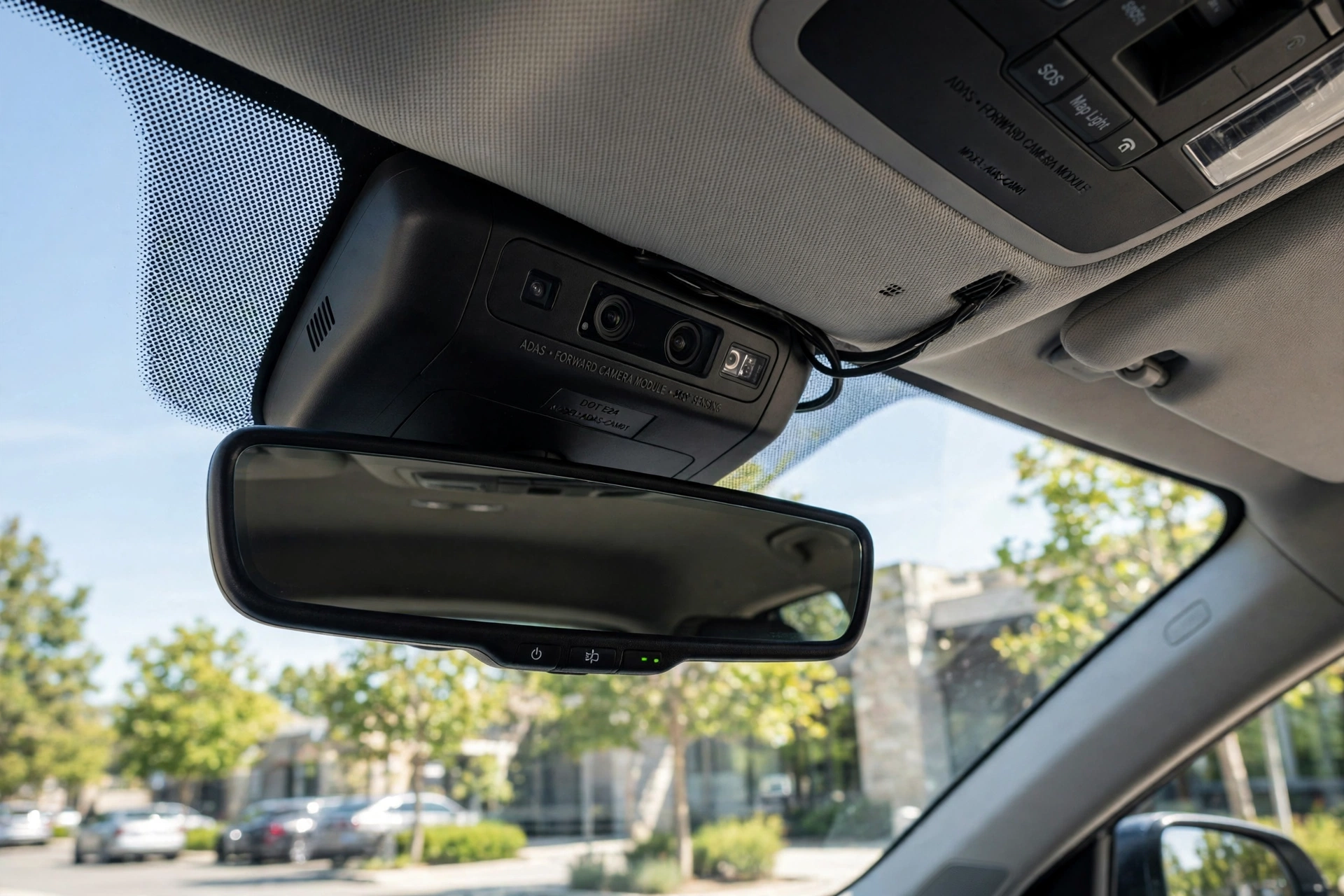
Most cars built after 2018 have a forward facing camera mounted behind the windshield. It powers lane keeping assist, automatic emergency braking, and adaptive cruise control. When the windshield is replaced, that camera must be recalibrated so it aims correctly. Recalibration adds $150 to $400 to the job, and it is not optional. Skipping it can leave your safety systems blind or misaligned, which is a real risk on the highway.
4. Sensors, Heating Elements, and Special Features
Rain sensors, heated wiper zones, acoustic interlayers, and heads up display compatibility all add cost. A basic windshield has none of these. A fully loaded windshield on a modern SUV can have three or four of them, and each one adds to the parts price.
5. Labor Rates in Your Area
Labor is usually $100 to $200 of the total bill. Shops in large metro areas charge more per hour than shops in smaller towns. Getting two or three quotes is worth it. Prices for the exact same glass can vary by $100 or more between shops in the same city. Other repairs vary in the same way, so it helps to compare how much does a car battery replacement cost before you book a shop visit.
Repair vs Replacement: When Is a Repair Enough?
A repair costs far less than a replacement, usually $50 to $150, and many insurance policies cover it with no deductible at all. But repair only works in the right conditions.
| Situation | Repair or Replace? |
|---|---|
| Chip smaller than a quarter, not in the driver’s line of sight | Repair |
| Crack shorter than 6 inches | Repair |
| Crack longer than 6 inches | Replace |
| Damage in the driver’s direct line of sight | Replace |
| Chip or crack at the edge of the glass | Replace |
| Multiple chips or cracks | Replace |
| Damage over a sensor or camera area | Replace |
The rule of thumb used by most glass shops is simple. If the damage is smaller than a dollar bill and sits outside the driver’s view, repair it. If it is longer, deeper, or in your line of sight, replace the glass. A repair fills the chip with resin and stops it spreading, but it does not make the glass look brand new. You will usually still see a faint mark where the chip was.
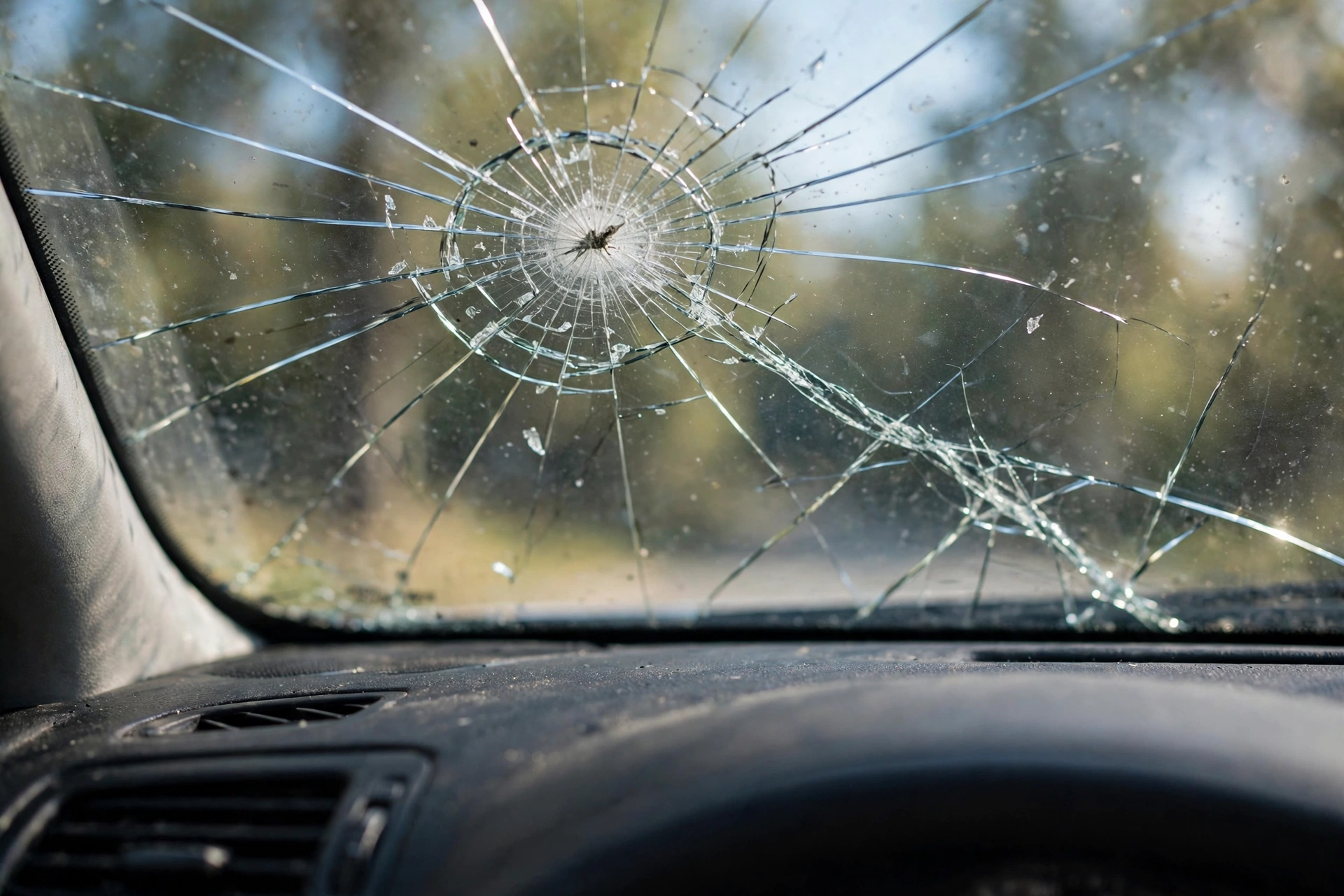
Do not wait to decide. Temperature swings, rough roads, and even slamming a car door can turn a small chip into a long crack overnight. A $75 repair today can become a $400 replacement next week.
Does Insurance Cover Windshield Replacement?
In many cases, yes. How much you pay depends on your policy and your state.
If you carry comprehensive coverage, windshield damage from road debris, storms, vandalism, or falling objects is usually covered. You pay your comprehensive deductible, and the insurer pays the rest. If your deductible is $500 and the replacement costs $350, it makes no sense to file a claim, because you would pay the whole bill anyway.
Some states require insurers to replace windshields with no deductible at all. Florida, Kentucky, and South Carolina have zero deductible windshield replacement laws for drivers with comprehensive coverage. Massachusetts has a similar rule for some policies. Check your own policy, because the rules differ by insurer and by state.
Many insurers also waive the deductible entirely for a chip repair, because a $75 repair is cheaper for them than a $400 replacement later. If you have a small chip, call your insurer first. The repair may cost you nothing.
One more thing to know. A comprehensive claim for glass damage usually does not raise your premium the way an at fault accident claim would. Glass claims are treated as no fault events in most states, but ask your insurer to confirm before you file.
How Long Does a Windshield Replacement Take?
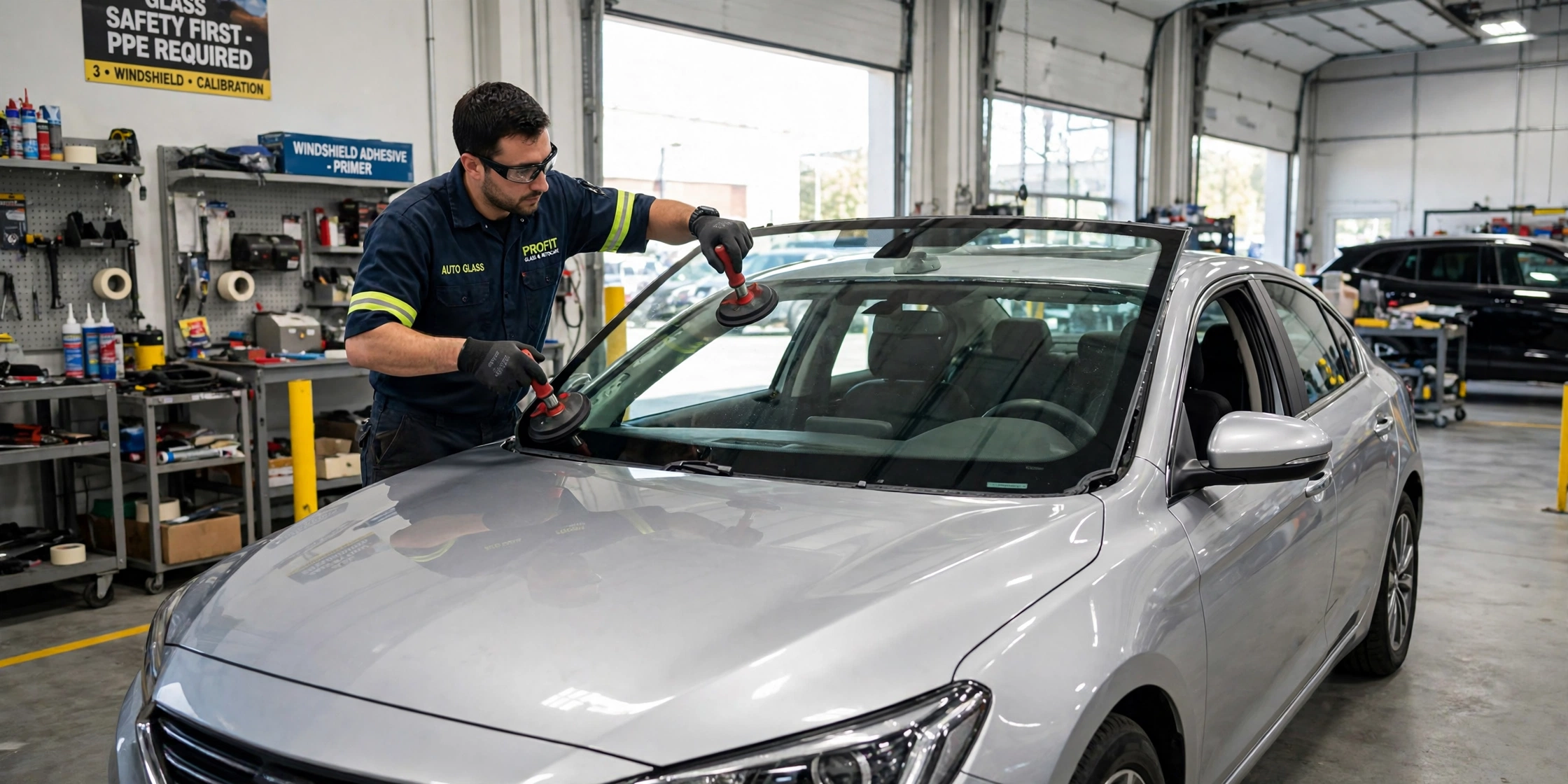
A standard replacement takes about 60 to 90 minutes of hands on work. The technician removes the old glass, cleans the frame, applies new urethane adhesive, sets the new windshield, and reconnects any sensors. After that, the adhesive needs time to cure before the car is safe to drive. Most shops say one hour before driving, and some urethanes need up to 24 hours before a high speed highway trip.
If your car needs ADAS recalibration, add 30 to 60 minutes. Some cars need a static recalibration done in the shop with targets, while others need a dynamic recalibration that involves driving the car at a set speed on a marked road.
Mobile service takes the same amount of time. The technician brings everything to your driveway or office parking lot, so you do not lose half a day at a shop.
How to Save Money on a Windshield Replacement
You do not have to pay the first quote you get. A few smart moves can cut the bill by a meaningful amount.
First, get three quotes. Call an independent local glass shop, a national chain, and your dealership, and compare. Dealerships are almost always the most expensive option, sometimes by $200 or more for the same glass.
Second, ask about aftermarket glass. If your car has no heads up display and no unusual coatings, aftermarket glass saves 30 to 40 percent and meets the same federal safety standards.
Third, check your insurance before you pay out of pocket. A quick call can tell you whether your deductible applies, whether chip repair is free, and whether your state has a zero deductible rule.
Fourth, fix chips early. A $50 to $150 repair is always cheaper than a replacement, and many insurers cover it free.
Fifth, avoid the dealership unless your car truly needs OEM glass. Independent shops do the same work, often with the same technicians, at a much lower price.
What to Watch Out For After a Replacement
A good install should be invisible. After the job, check a few things before you drive away.
Look at the edges of the glass for even gaps and a clean seal. Listen for wind noise on your first drive. Test the rain sensor, the lane keeping system, and any other feature tied to the windshield. Make sure the rearview mirror and camera housing sit firmly. And ask the shop for a written warranty on both the glass and the labor. Reputable shops offer a lifetime warranty against leaks and workmanship defects.
If you notice a leak, a whistle, or a warning light for your driver assist system, take the car back right away. A good shop will fix it free under warranty.
The Bottom Line
For most US drivers, a windshield replacement costs $200 to $500 in 2026. Luxury cars, electric vehicles, and ADAS recalibration can push that past $1,000, while a simple chip repair costs $50 to $150 and is often free through insurance. The smartest move is to act fast on small chips, compare three quotes, and check your insurance before you pay. A cracked windshield is not just a cosmetic problem. It is a safety problem, and fixing it early is almost always the cheaper option.
Frequently Asked Questions
How much does a windshield replacement cost without insurance?
Without insurance, most US drivers pay $200 to $500 for a standard car in 2026. Luxury cars and electric vehicles cost $600 to $1,500, and ADAS camera recalibration adds $150 to $400 on top.
Can I drive right after a windshield replacement?
Most shops say you can drive after one hour, once the urethane adhesive has set enough to hold the glass in a crash. Avoid high speeds, rough roads, and car washes for 24 hours while the adhesive fully cures.
Will a small chip spread if I ignore it?
Yes, very often. Temperature changes, bumps, and even slamming a door can turn a small chip into a long crack. Repairing a chip costs $50 to $150, while a full replacement costs several hundred dollars, so fixing it early saves real money.
Does windshield replacement affect my car’s safety systems?
It can, if the forward facing camera behind the glass is not recalibrated. Cars with lane keeping assist, automatic emergency braking, or adaptive cruise control need a recalibration after every windshield replacement, which adds $150 to $400 to the job.
Is aftermarket windshield glass safe?
Yes, as long as it meets federal motor vehicle safety standards. Aftermarket glass is made to the same size and strength specifications as OEM glass and usually costs 30 to 40 percent less. The exception is cars with a heads up display, where OEM glass is recommended to avoid image distortion.