How Much Does Car Insurance Cost in 2026? Average Prices, Coverage Types, and Ways to Save for US Drivers
Car insurance is one of the biggest running costs of owning a car in the United States, and in 2026 it costs more than it did just a few years ago. The average American driver now pays about $2,600 a year for full coverage, which works out to roughly $217 a month. Liability-only coverage is far cheaper, averaging around $800 a year, or about $67 a month. But those are only national averages. Your real price depends on where you live, what you drive, how old you are, and your driving record, and two neighbors with the same car can pay very different premiums.
This guide breaks down what car insurance actually costs in 2026, what each coverage type covers, which factors push your price up or down, and nine practical ways to cut your bill without losing the protection you need.
How Much Does Car Insurance Cost in 2026?
For most US drivers, full coverage car insurance costs between $2,000 and $3,200 a year. Liability-only coverage usually runs between $600 and $1,100 a year. The gap between the two is large because full coverage adds collision and comprehensive protection, which pay to repair or replace your own car. Liability alone only pays for damage and injuries you cause to other people.
The table below shows the national average cost of car insurance by coverage level in 2026.
| Coverage level | Average yearly cost | Average monthly cost |
|---|---|---|
| Liability only (state minimum) | $800 | $67 |
| Liability only (50/100/50 limits) | $1,050 | $88 |
| Full coverage ($500 deductible) | $2,600 | $217 |
| Full coverage ($1,000 deductible) | $2,250 | $188 |
| Full coverage for a new car | $3,100 | $258 |
Raising your deductible from $500 to $1,000 typically saves $300 to $400 a year, but it means you pay that extra $500 out of pocket before your insurer pays anything after an accident. That trade-off only makes sense if you can afford the higher deductible on short notice.
Prices have climbed sharply in recent years. Repair costs are up because modern cars carry cameras, sensors, and large screens that are expensive to replace, and labor rates at body shops have risen too. Insurers pass those costs on through higher premiums, which is why shopping around matters more now than it did five years ago.

What Does Each Coverage Type Actually Cover?
Car insurance is not one product. It is a bundle of different coverages, and understanding each one helps you buy the right amount instead of paying for protection you do not need.
Liability coverage is required in almost every state. Bodily injury liability pays for other people’s medical bills when you cause a crash, and property damage liability pays to repair the other driver’s car or property. State minimum limits are often written as three numbers, such as 25/50/25, which means $25,000 per injured person, $50,000 per accident, and $25,000 for property damage. Those minimums are low, and a serious crash can easily cost more, so many drivers raise their limits to 50/100/50 or 100/300/100.
Collision coverage pays to repair or replace your own car after a crash, no matter who was at fault. Comprehensive coverage pays for damage that is not caused by a collision, such as theft, vandalism, hail, flooding, a falling tree, or hitting an animal. Both come with a deductible you choose, usually $500 or $1,000.
Uninsured and underinsured motorist coverage protects you when the other driver has no insurance or not enough of it. About one in eight US drivers is uninsured, so this coverage is worth having even though some states do not require it. Personal injury protection, or PIP, pays your own medical bills after a crash regardless of fault and is required in no-fault states such as Florida, Michigan, and New York.
If you still owe money on your car loan or lease, your lender will require full coverage, meaning liability plus collision and comprehensive. Once the car is paid off, you can choose to drop collision and comprehensive, which makes sense for older cars worth less than about $4,000, since the yearly premium can cost more than the car is worth.
Average Car Insurance Cost by State
Where you live is one of the biggest factors in your premium. States with dense traffic, high repair costs, and frequent weather claims charge far more than rural states with quiet roads.
| State | Average full coverage per year | Why it costs that much |
|---|---|---|
| Florida | $3,900 | Hurricanes, fraud, and high litigation costs |
| New York | $3,400 | Dense traffic and high repair costs |
| Louisiana | $3,300 | Frequent claims and storm damage |
| California | $2,900 | Congestion, theft, and wildfire risk |
| Texas | $2,800 | Hail storms and long commutes |
| Ohio | $1,700 | Lower population density and fewer claims |
| Maine | $1,500 | Rural roads and low claim frequency |
| Vermont | $1,400 | Small population and very few accidents |
If you move to a new state, tell your insurer right away. Your old policy may not meet the new state’s minimum requirements, and driving with the wrong coverage can leave you uninsured after a crash. A move is also a good moment to get fresh quotes, because the cheapest insurer in your old state is rarely the cheapest in your new one.
What Factors Affect Your Car Insurance Price?
Insurers set your price using dozens of factors, and some of them you can change while others you cannot.
Your driving record matters most. A single speeding ticket can raise your premium by 20 to 30 percent for three years, and an at-fault accident can raise it by 40 percent or more. A DUI can double or triple your rate and stay on your record for years. Keeping a clean record is the cheapest way to keep insurance affordable.
Your age and experience matter too. Teen drivers pay the most, often $4,000 to $6,000 a year for full coverage, because insurers see them as high risk. Rates drop sharply after age 25 and stay low through middle age, then rise again slightly for drivers over 70.
The car you drive makes a real difference. Expensive cars, sports cars, and large SUVs cost more to insure because they cost more to repair and replace. Cars with strong safety ratings and anti-theft features usually cost less. Before you buy your next car, check insurance quotes for the exact models on your shortlist, because the difference can be hundreds of dollars a year. Our guide on how to buy a used car in 2026 walks through the full buying checklist, including the pre-purchase inspection that can also reveal problems an insurer would flag.
Your credit history affects your price in most states. Drivers with good credit typically pay 30 to 50 percent less than drivers with poor credit for the same coverage. California, Hawaii, Massachusetts, and Michigan ban or limit this practice, but in the other 46 states it is a major pricing factor.
Where you park your car overnight matters as well. A car kept in a locked garage usually costs less to insure than one parked on a busy street, because theft and vandalism claims are far less likely. Your annual mileage also counts. Drivers who put fewer than 7,500 miles a year on their car often qualify for a low-mileage discount.
Is Car Insurance Worth the Cost?
Yes, and not only because the law requires it in nearly every state. A single serious crash can cost $50,000 or more in medical bills and property damage, and without insurance that bill lands on you personally. Liability coverage is the cheapest way to protect your savings, your home, and your future wages from a lawsuit after an accident.
Full coverage is worth it while your car is still valuable. The math is simple. If your car is worth $12,000 and full coverage costs $1,500 a year on top of liability, you are paying about 12 percent of the car’s value each year to protect it. That is a fair trade. If your car is worth $2,500 and the same coverage costs $1,200 a year, you are paying almost half the car’s value each year, and dropping collision and comprehensive starts to make sense.
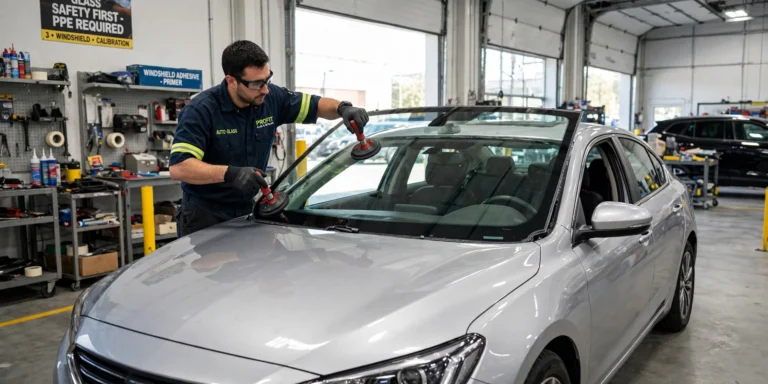
Glass claims are a useful example. A windshield replacement costs $300 to $500 for a standard car and much more for cars with camera-based safety systems, and comprehensive coverage usually pays for it after your deductible. In some states, insurers must replace windshields with no deductible at all.
9 Ways to Lower Your Car Insurance Cost in 2026
You do not have to accept the first price you are quoted. These nine steps can cut most drivers’ premiums by hundreds of dollars a year.
First, compare quotes from at least three insurers every year. Prices for the same driver and the same coverage can differ by $1,000 or more between companies, because each insurer weighs risk differently. Loyalty rarely pays, and the company that was cheapest last year may not be cheapest now.
Second, raise your deductible from $500 to $1,000 if you can afford it. This one change usually saves $300 to $400 a year, and you only pay the higher amount if you actually file a claim.
Third, bundle your car insurance with your homeowners or renters insurance. Most insurers offer a bundling discount of 10 to 20 percent, which can save $200 to $500 a year.
Fourth, ask about every discount you might qualify for. Common ones include good driver discounts, good student discounts for teens with a B average or better, safe driver telematics programs that track your driving through a phone app, low-mileage discounts, and discounts for cars with anti-theft devices or advanced safety features.
Fifth, keep your credit score healthy. Paying bills on time and keeping credit card balances low can improve your insurance score over time, which lowers your premium in most states.
Sixth, drive safely and avoid tickets and at-fault accidents. The discount from a clean record compounds over years, and many insurers offer accident forgiveness after five claim-free years.
Seventh, pay your premium in full instead of monthly if you can. Monthly payment plans often add $5 to $10 a month in fees, which adds up to $60 to $120 a year.
Eighth, drop collision and comprehensive coverage on older cars. If your car’s value has fallen below $4,000, the cost of full coverage often exceeds what you would ever recover from a claim.
Ninth, review your coverage when your life changes. Getting married, moving to a safer neighborhood, working from home, or paying off your car loan can all lower your rate, but only if you tell your insurer and ask for a new quote.

How to Choose the Right Car Insurance
Start by deciding how much coverage you actually need. Buy at least 50/100/50 liability limits if you can afford them, because state minimums are too low for a serious accident. Add collision and comprehensive while your car is worth more than $4,000, and keep uninsured motorist coverage at the same limits as your liability coverage.
Then get quotes from three to five insurers for the exact same coverage limits and deductibles, so you are comparing prices fairly. Check each company’s claim satisfaction ratings and financial strength before you buy, because the cheapest policy is a bad deal if the company fights every claim. The Insurance Information Institute and state insurance department websites publish complaint data that shows which insurers treat customers fairly.
Finally, read the policy before you sign. Check the deductible, the exclusions, and whether the policy covers rental cars and roadside assistance. A policy that looks cheap on the quote can turn expensive if it leaves out the coverage you assumed was included. For a general background on how vehicle insurance works around the world, Wikipedia has a clear overview of the different coverage systems and legal requirements.
Frequently Asked Questions
How much is car insurance per month in 2026?
Full coverage car insurance costs about $217 a month on average in the US in 2026, while liability-only coverage averages about $67 a month. Your actual price depends on your state, age, driving record, and the car you drive.
What is the cheapest car insurance in the US?
The cheapest car insurance usually comes from large national insurers that offer strong discounts, but the lowest price varies by driver. Comparing quotes from at least three companies is the only reliable way to find the cheapest policy for your situation, because each insurer prices risk differently.
Does car insurance go down after age 25?
Yes, rates usually drop sharply after age 25, because insurers consider drivers over 25 much lower risk than teens and young adults. Rates typically stay low through the 40s and 50s and may rise slightly after age 70.
Is full coverage worth it on an older car?
Full coverage is usually worth it while your car is worth more than about $4,000. Once the value drops below that, the yearly cost of collision and comprehensive coverage can exceed what you would recover from a claim, so dropping them often saves money.
Does a speeding ticket raise insurance?
Yes, a single speeding ticket typically raises your premium by 20 to 30 percent for about three years. An at-fault accident raises it even more, by 40 percent or more, which is why a clean driving record is the best long-term discount.
Final Thoughts
Car insurance costs about $2,600 a year for full coverage in 2026, but that average hides huge differences between states, drivers, and cars. The good news is that you have more control over the price than most drivers realize. Comparing quotes every year, raising your deductible, bundling your policies, and keeping a clean driving record can save hundreds of dollars without giving up real protection. Review your policy once a year, ask your insurer about every discount you might qualify for, and never let a policy renew on autopilot. A few minutes of shopping each year is the easiest money you will ever save on your car.