How Much Does a Fuel Pump Replacement Cost in 2026? Prices, Signs, and DIY vs Shop for US Drivers
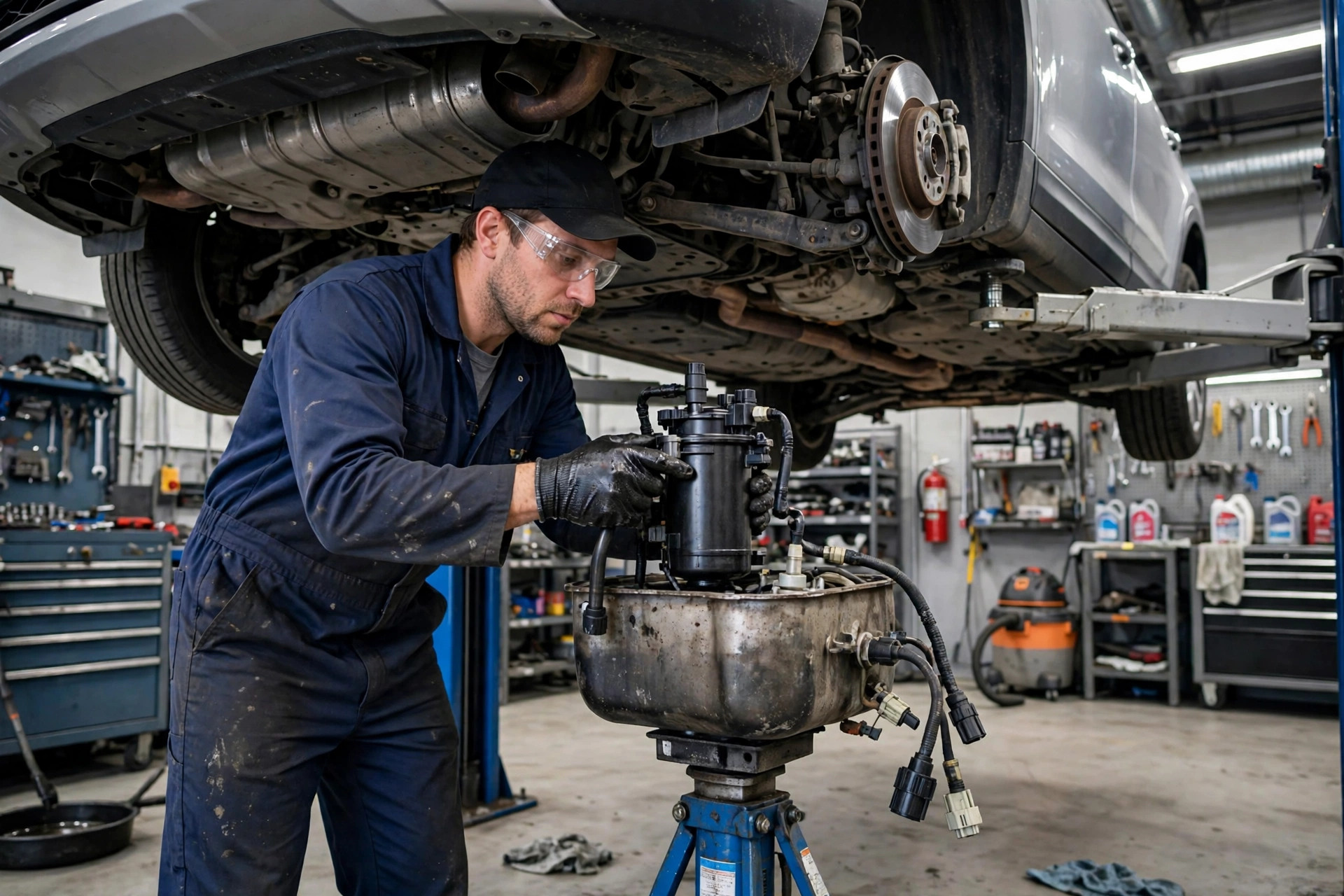
Your fuel pump is one of those parts you never think about until your car refuses to start on a cold morning. It sits inside your gas tank, quietly pushing fuel to the engine every time you drive, and when it fails, your car can stall without warning or simply not start at all. A fuel pump replacement is not a cheap repair, but knowing the real prices before you visit a shop can save you from an inflated quote.
In 2026, a fuel pump replacement in the United States typically costs between $400 and $1,100, including parts and labor. The wide range comes down to your car’s make and model, whether the pump is easy to reach, and whether you use an original equipment part or an aftermarket one. This guide covers the full cost breakdown, the warning signs of a failing pump, and whether doing it yourself is worth the effort.
How Much Does a Fuel Pump Replacement Cost in 2026?
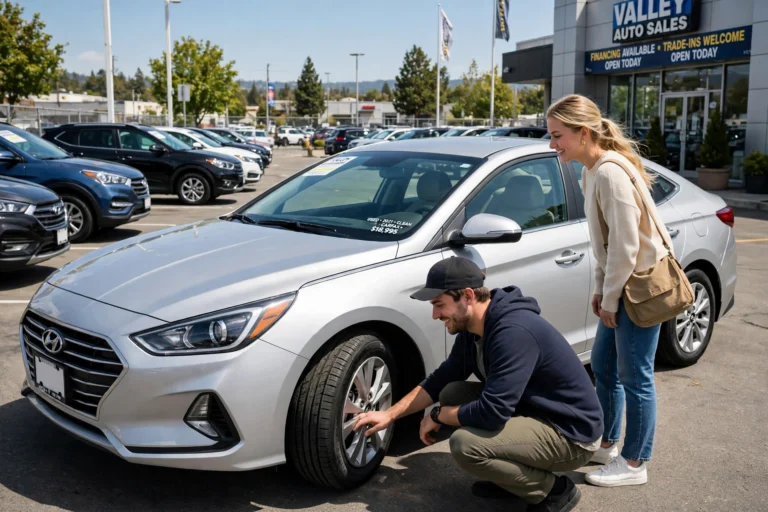
For most cars on US roads, a fuel pump replacement costs $400 to $800 at an independent repair shop. Dealerships charge more, usually $700 to $1,100 for the same job, because their labor rates and parts prices are higher. Luxury cars and large trucks can cost even more, sometimes $1,200 to $1,800, because their pumps are more expensive and harder to reach.
The table below shows typical fuel pump replacement costs by vehicle type in 2026.
| Vehicle type | Parts cost | Labor cost | Total cost |
|---|---|---|---|
| Compact sedan (Honda Civic, Toyota Corolla) | $150 to $300 | $250 to $400 | $400 to $700 |
| Midsize SUV (Toyota RAV4, Honda CR-V) | $200 to $400 | $300 to $450 | $500 to $850 |
| Full-size truck (Ford F-150, Chevy Silverado) | $250 to $500 | $350 to $500 | $600 to $1,000 |
| Luxury car (BMW, Mercedes-Benz, Audi) | $400 to $900 | $400 to $700 | $800 to $1,600 |
| Older car with external pump | $80 to $200 | $150 to $300 | $230 to $500 |
Parts usually cost $150 to $500 for a standard aftermarket pump module, while an original equipment manufacturer (OEM) part from the dealer can cost $400 to $900. Labor typically runs $250 to $500, because the job takes 2 to 4 hours on most cars. Some cars have an access panel under the rear seat, which makes the job faster and cheaper. Others require dropping the fuel tank, which adds at least an hour of labor.
Many shops also recommend replacing the fuel filter at the same time if your car has a separate external filter, which adds $50 to $120 to the bill. On most modern cars the filter is built into the pump module itself, so it comes with the new pump.
What Does a Fuel Pump Do?
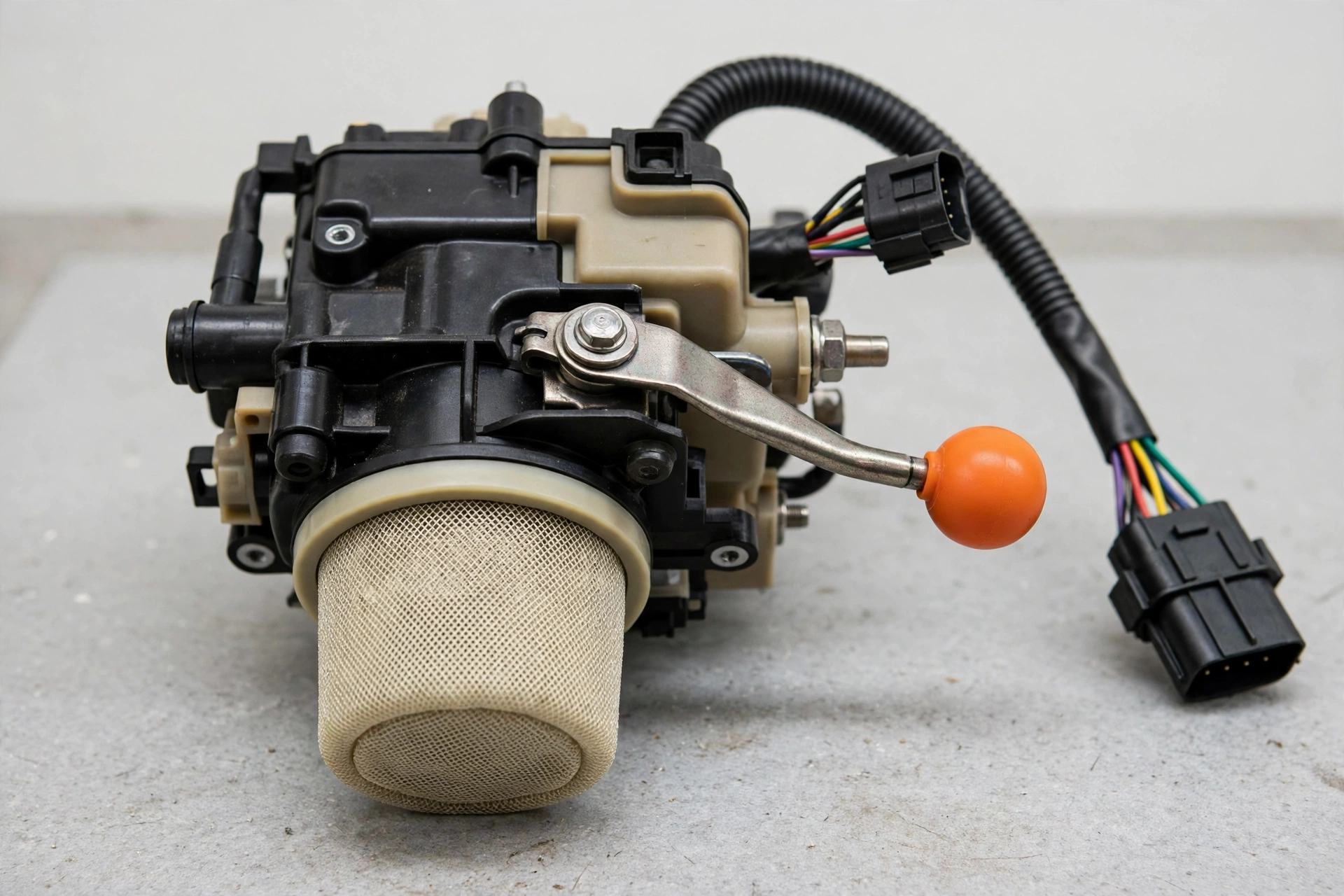
The fuel pump moves gasoline from the tank to the engine at the right pressure. Modern cars use an electric pump mounted inside the fuel tank, where the surrounding gasoline keeps it cool and lubricated. The pump pushes fuel through the fuel lines, past the filter, and into the fuel injectors, which spray it into the engine in a fine mist.
A healthy pump maintains a steady pressure, usually between 35 and 65 psi depending on the vehicle. The engine control unit monitors this pressure and adjusts the fuel delivery to match how hard you are driving. When the pump weakens, pressure drops, the engine gets less fuel than it needs, and performance suffers.
Older cars from the 1980s and earlier often used a mechanical pump mounted on the engine instead. Those are much cheaper to replace, usually $230 to $500 total, because the pump is easy to reach and the part itself is simple. If you drive a classic car, expect a much smaller bill than the prices above.
For background on how a fuel pump works and the different pump designs used over the years, Wikipedia has a clear technical overview.
7 Warning Signs Your Fuel Pump Is Failing
A fuel pump rarely dies without warning. It usually gives you several signs over days or weeks before it quits completely, and catching those signs early can save you from being stranded.
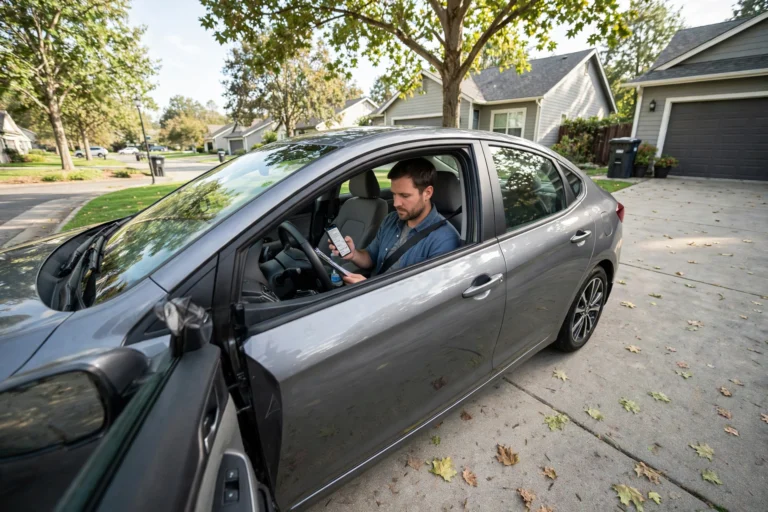
The most common sign is trouble starting. If your engine cranks for a long time before it catches, or you need to turn the key two or three times, the pump may not be building enough pressure. This is easy to confuse with a weak battery, so it helps to know the difference. Our guide on how much does a car battery replacement cost explains how to tell whether the battery is the real problem.
Engine sputtering at high speed is another classic symptom. If your car runs fine around town but stutters or loses power when you merge onto the highway, the pump may not be keeping up with the engine’s fuel demand at higher speeds. The same sputtering can happen when you climb a steep hill.
A sudden loss of power while driving is a more serious warning. The engine may surge, hesitate, or briefly cut out, then recover. This happens when the pump delivers fuel in fits and starts instead of a steady flow. Do not ignore this sign, because a pump that cuts out at highway speed is a safety risk.
A whining noise from the fuel tank is a sound many drivers notice first. A healthy pump makes a quiet hum for a second or two when you turn the key. A failing pump makes a loud, high-pitched whine that gets worse over time. If you can hear the pump clearly from inside the car, have it checked.
Poor fuel economy can also point to a failing pump. When the pump cannot maintain proper pressure, the engine runs lean, the computer compensates by adding more fuel, and your gas mileage drops. If your miles per gallon fall by 10 percent or more with no change in your driving habits, the fuel system is worth checking.
Engine misfires and rough idling are related symptoms. A spark plug replacement fixes misfires caused by worn plugs, but if new plugs do not solve the problem, low fuel pressure from a weak pump is a likely cause.
Finally, a car that stalls and will not restart until it cools down is a strong sign of pump failure. Heat makes a dying pump worse, because the electric motor inside overheats when it struggles. If your car dies after 20 or 30 minutes of driving and starts again after sitting for an hour, the pump is near the top of the suspect list.
Can You Drive With a Bad Fuel Pump?
You can, but you should not rely on it. A failing pump can quit without warning, and when it does, your engine stops wherever you happen to be, including the middle of a highway. That is dangerous for you and for the drivers around you.
Short trips around town are less risky than long highway drives, because a weak pump usually fails under sustained high demand. Still, every mile you drive on a dying pump is a gamble. If your car is sputtering, stalling, or hard to start, book a repair within a few days and keep your trips short until then.
A pump that has already failed completely means the car will not start at all, and you will need a tow. Towing adds $75 to $200 to your total cost, so catching the problem while the car still runs is worth real money.
What Causes a Fuel Pump to Fail?
Running your tank close to empty is the most common cause of early pump failure. The gasoline in the tank cools the pump, and when the fuel level drops below a quarter tank, the pump can overheat. Drivers who regularly run their cars down to the warning light wear their pumps out years early.
Dirty fuel is another cause. Rust, sediment, and debris in the tank clog the pump’s strainer and force the motor to work harder. This is more common in older cars and in cars that sit unused for months at a time.
Age and mileage matter too. Most fuel pumps last 100,000 to 150,000 miles, or about 10 to 15 years of normal driving. After that, the electric motor simply wears out, just like any other electric motor. There is nothing you did wrong, the part has reached the end of its life.
A clogged fuel filter can also kill a pump. When the filter is blocked, the pump has to push harder to move fuel through it, which overheats the motor and shortens its life. On cars with a separate external filter, replacing it every 30,000 miles protects the pump.
Fuel Pump Replacement: DIY vs Shop
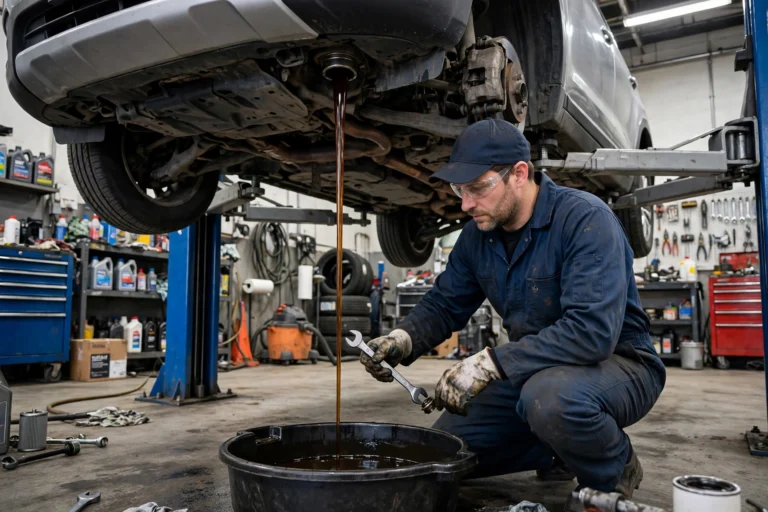
Replacing a fuel pump yourself can save $250 to $500 in labor, but it is one of the harder DIY repairs. You are working with gasoline, which is flammable, and you need to relieve the fuel system pressure, disconnect the battery, and either remove the rear seat to reach an access panel or drop the fuel tank from underneath the car.
The job is realistic for an experienced home mechanic with a jack, jack stands, and basic tools. It takes 2 to 4 hours if your car has an access panel, and 4 to 6 hours if the tank has to come down. You will need a new pump module, a new tank seal, and a fire extinguisher nearby as a precaution.
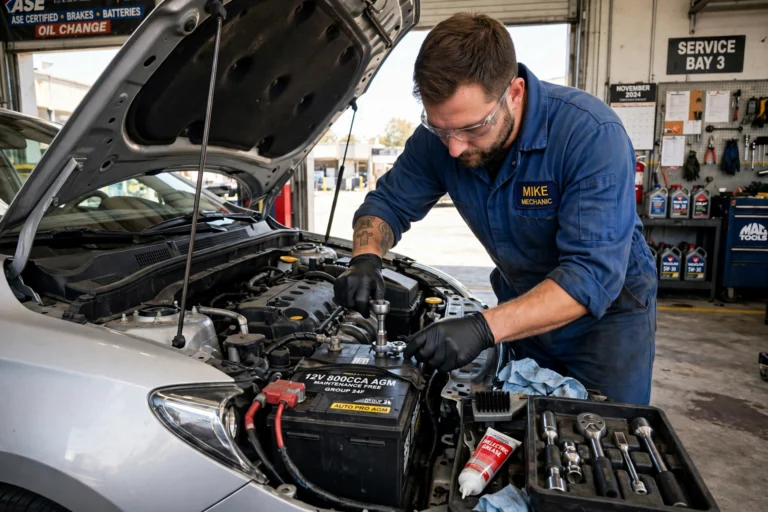
It is not a good first DIY project. If you have never worked on a fuel system before, the risk is real. Gasoline vapors ignite easily, and a mistake can cause a fire. Most drivers are better off paying a shop for this one. A reputable independent shop will do the job for $400 to $800 on most cars, and you get a warranty on the parts and labor.
If you do decide to do it yourself, buy a quality pump from a known brand rather than the cheapest option online. Cheap pumps often fail within a year, and doing this job twice costs more than buying a good part once.
How to Make Your Fuel Pump Last Longer
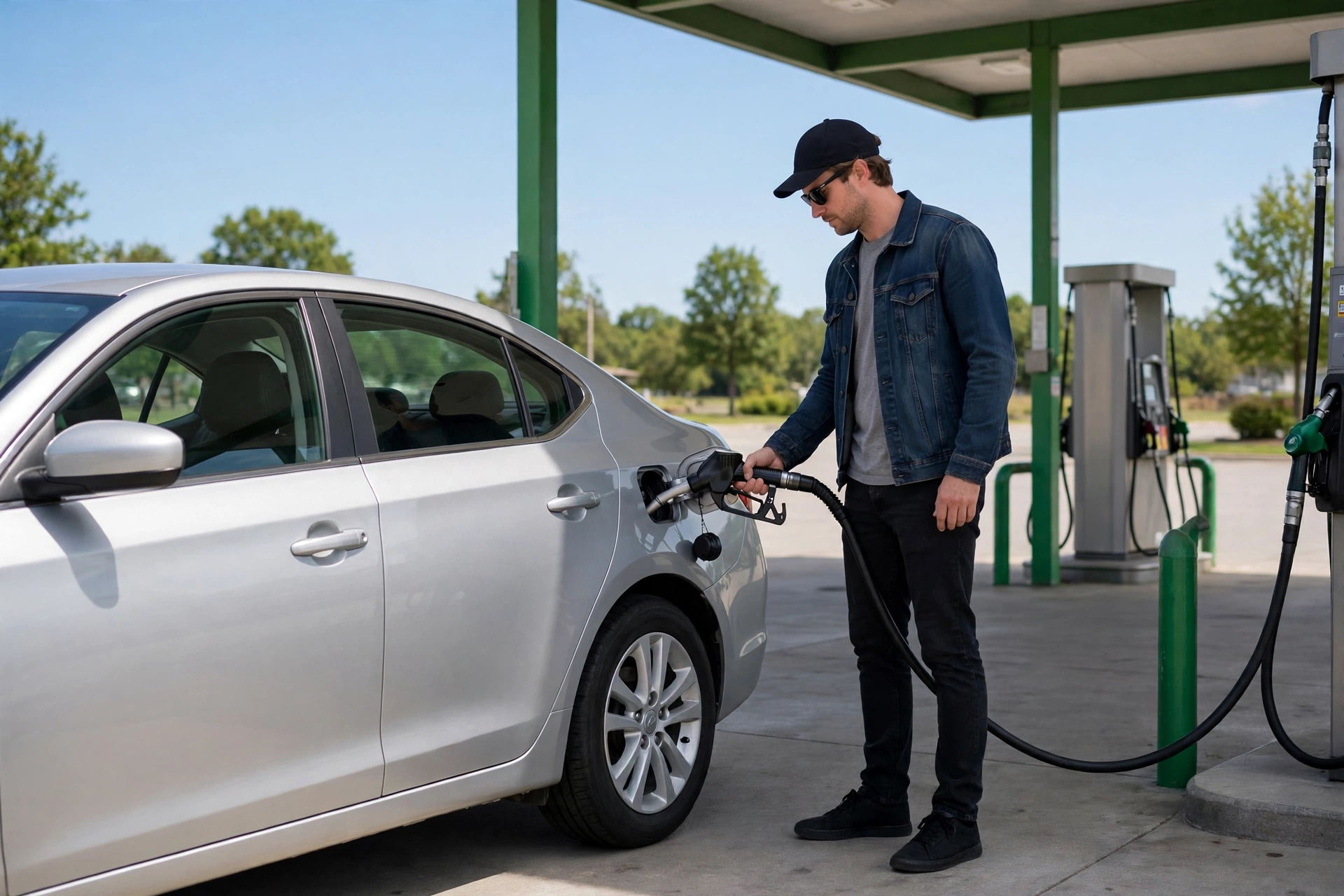
The simplest habit is keeping your tank at least a quarter full. This keeps the pump submerged in fuel, which cools it and keeps it running at a normal temperature. It costs nothing and can add years to your pump’s life.
Buy your gas from busy, well-maintained stations. Stations with high turnover have fresher fuel and cleaner tanks, which means less sediment reaching your pump. Avoid filling up while a tanker truck is delivering fuel, because the delivery stirs up sediment at the bottom of the station’s tank.
Replace your fuel filter on schedule if your car has a separate one. Check your owner’s manual for the interval, which is usually every 30,000 miles. A clean filter means the pump never has to strain.
Finally, do not ignore the early warning signs. A whining pump or a car that takes longer to start is telling you something. A fuel pressure test at a shop costs $50 to $100 and takes about 30 minutes, and it will tell you exactly whether the pump is the problem before it leaves you stranded.
Frequently Asked Questions
How much does a fuel pump replacement cost in 2026?
A fuel pump replacement costs $400 to $1,100 in the US in 2026 for most cars, including parts and labor. Compact sedans are at the low end at $400 to $700, while luxury cars can cost $800 to $1,600. Dealerships charge more than independent shops for the same job.
How long does a fuel pump last?
A fuel pump usually lasts 100,000 to 150,000 miles, or about 10 to 15 years of normal driving. Running the tank near empty regularly, dirty fuel, and a clogged fuel filter can shorten its life significantly.
What are the symptoms of a bad fuel pump?
The most common symptoms are hard starting, engine sputtering at high speed, sudden power loss, a loud whining noise from the fuel tank, poor fuel economy, and stalling that goes away after the car cools down. If you notice two or more of these signs, have the fuel pressure tested.
Can I drive with a failing fuel pump?
You can drive short distances, but it is risky. A failing pump can quit without warning and stall the engine at highway speed. Keep trips short, avoid highways if possible, and get the pump replaced within a few days.
Is it worth replacing a fuel pump on an old car?
It depends on the car’s overall condition. If the car is otherwise reliable and worth more than $3,000, a $400 to $800 pump replacement is usually worth it. If the car has other major problems or is worth less than the repair cost, it may be time to replace the car instead.
Final Thoughts
A fuel pump replacement costs $400 to $1,100 for most US drivers in 2026, and the price depends mainly on your car and where you have the work done. The good news is that a failing pump gives you plenty of warning, from hard starts and sputtering to a loud whine from the tank. Listen for those signs, keep your tank above a quarter full, and get a fuel pressure test as soon as something feels off. Catching the problem early is the difference between a planned $600 repair and a $600 repair plus a $150 tow on the side of the highway.